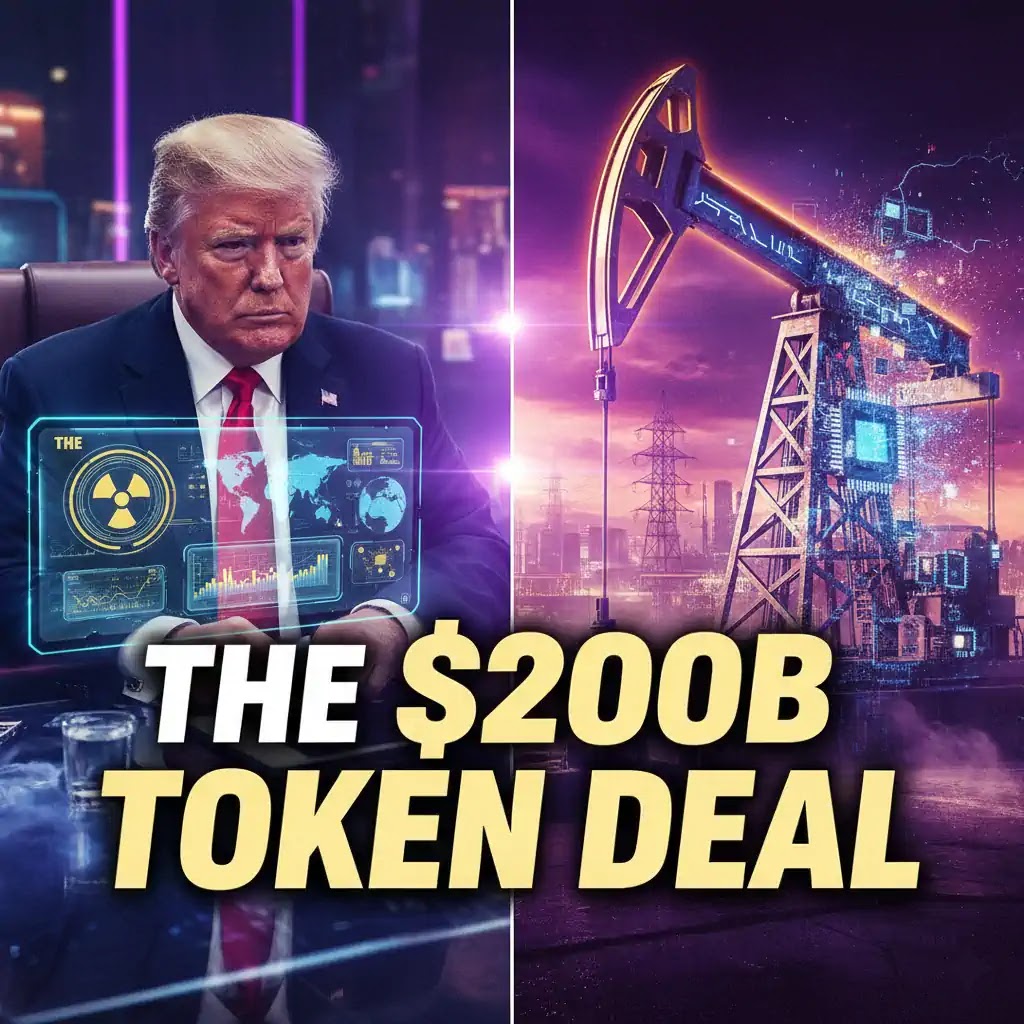
Energy prices move faster than most people realize. One diplomatic signal in the Middle East can change fuel costs, shipping rates, and even grocery prices within weeks. That is exactly why the 2026 “Token Deal” proposal is getting so much attention.
At first glance, it looks like just another geopolitical negotiation. But if you look deeper, this is really about controlling volatility. Markets do not need perfect peace. They need predictable stability. And this proposal is designed to create that window of stability without long-term commitments.
For businesses, investors, and even everyday consumers, this matters because energy is the foundation of everything. From transportation to manufacturing, even small price shifts create large economic ripple effects.
What is the 2026 “Token” Nuclear Deal
The proposed deal is intentionally limited. Instead of a complex multi-year treaty, it focuses on a short-term exchange.
- Iran pauses uranium enrichment above a specific threshold
- International monitoring increases at key facilities
- In return, a portion of frozen funds is released
- Limited sanctions relief is granted for a fixed period
This structure allows both sides to test cooperation without committing fully. From a policy perspective, this is a risk-managed approach rather than a long-term solution.
In real-world terms, this is similar to a business pilot project. You do not invest fully on day one. You test, observe outcomes, and scale only if results are stable.
Why Markets Are Reacting So Quickly
Energy markets are extremely sensitive to risk. Even the possibility of disruption in oil supply routes like the Strait of Hormuz can push prices upward.
This deal reduces perceived risk, which directly impacts pricing behavior.
Immediate Market Signals
- Oil traders pricing in lower disruption risk
- Shipping insurance costs stabilizing
- Increased investor confidence in energy-dependent sectors
From experience, markets often react more to expectations than actual outcomes. Even before implementation, sentiment shifts can drive billions in capital movement.
Step by Step: How This Impacts the Global Economy
Step 1: Reduced Geopolitical Risk
Lower tension in key oil regions reduces the risk premium added to crude prices.
Step 2: Stable Energy Pricing
When oil prices stabilize, industries can plan better. This is especially important for logistics, aviation, and manufacturing.
Step 3: Investment Returns
Investors shift capital into sectors that benefit from predictable input costs.
Step 4: Consumer Impact
Lower transportation costs can eventually reflect in product pricing, though this depends on local policy and taxation.
Sector Wise Impact Analysis
| Sector | Impact | Practical Outcome |
|---|---|---|
| Oil and Gas | Stabilization | Reduced volatility improves planning and contracts |
| Logistics | Cost Predictability | Lower fuel uncertainty helps pricing models |
| Manufacturing | Operational Efficiency | Better energy cost control improves margins |
| Semiconductors | Growth Support | Energy stability supports large scale production |
Real World Use Cases
For Small Businesses
If you run a transport business or a local delivery service, fuel cost stability allows better pricing decisions. Instead of adjusting rates frequently, you can offer consistent pricing, which builds customer trust.
For Manufacturers
Factories that rely on imported fuel or energy-intensive processes benefit from predictable cost structures. This improves planning and reduces sudden margin loss.
For Exporters
Lower logistics uncertainty makes international contracts easier to manage, especially when dealing with long-term shipments.
Pros and Cons of the Token Deal Approach
Advantages
- Quick implementation compared to large treaties
- Immediate market stabilization
- Lower political risk for both sides
Limitations
- Short-term solution, not permanent
- Can be reversed quickly if tensions rise
- Does not fully resolve underlying conflicts
Who Should Pay Attention
- Investors tracking energy and commodities
- Business owners dependent on fuel costs
- Policy analysts and economic observers
Who Can Ignore for Now
- Individuals not affected by fuel or logistics costs
- Businesses operating purely in digital environments
Best Practices for Businesses
- Lock in contracts when prices stabilize
- Avoid overexpansion based on short-term trends
- Monitor geopolitical signals regularly
- Diversify supply chains to reduce dependency
Businesses that treat this as a temporary stability window, not a permanent shift, tend to make better long-term decisions.
Conclusion: Stability is the Real Currency
This deal is not about solving geopolitics completely. It is about reducing uncertainty for a defined period.
In today’s economy, stability itself has value. Markets reward predictability because it allows planning, investment, and growth.
The key takeaway is simple. Watch not just the agreement, but the consistency of its implementation. That is what ultimately determines long-term impact.
Frequently Asked Questions (FAQ)