Most people once believed longevity meant adding a few extra years to life. In 2026, that mindset has changed completely. The focus is now on improving healthspan, the number of years your body and brain remain active, productive, and resilient. AI powered bio hacking has moved beyond elite wellness clinics and entered mainstream life through wearables, smart diagnostics, and personalized health systems.
Consumers are no longer satisfied with generic fitness plans or random supplements. They want measurable improvements. They want to know why they feel tired after certain meals, why sleep quality changes during stress, or how biological aging reacts to daily routines. This is where AI designed longevity systems are reshaping modern wellness.
By early 2026, many professionals, founders, athletes, and remote workers are using AI native diagnostics that analyze biomarkers in near real time. Combined with Personalized AI Agents, these systems can recommend nutrition timing, recovery schedules, sleep optimization, and stress reduction strategies based on actual body responses instead of assumptions.
1. What Personalized Longevity Really Means in 2026
Personalized longevity combines biotechnology, wearable sensors, AI analysis, and behavioral science to create health strategies tailored to one individual. Instead of following broad wellness advice from social media, users receive recommendations based on sleep patterns, recovery speed, glucose response, heart variability, inflammation markers, and even environmental conditions.
The biggest breakthrough is continuous adaptation. Earlier wellness systems relied on yearly blood reports or occasional health checkups. Modern AI longevity platforms update recommendations every day. If stress levels rise due to poor sleep or overwork, the system adjusts exercise intensity, recovery timing, and nutrition guidance automatically.
This shift matters because two people can react very differently to the same diet or fitness plan. One person may perform well on intermittent fasting while another experiences energy crashes and poor sleep. AI systems identify these patterns faster than traditional trial and error approaches.
Why This Trend Is Growing Fast
- Wearable sensors have become cheaper and more accurate
- AI models can now process health data continuously
- Consumers are prioritizing preventive healthcare
- Remote work has increased awareness around stress and sleep health
- Insurance and corporate wellness programs are adopting biometric tracking
For small businesses and startups, this has also created a new market opportunity. Wellness focused offices are investing in recovery rooms, circadian lighting, and biometric wellness subscriptions to reduce burnout and improve productivity.
2. Epigenetic Clocks and Biological Age Tracking
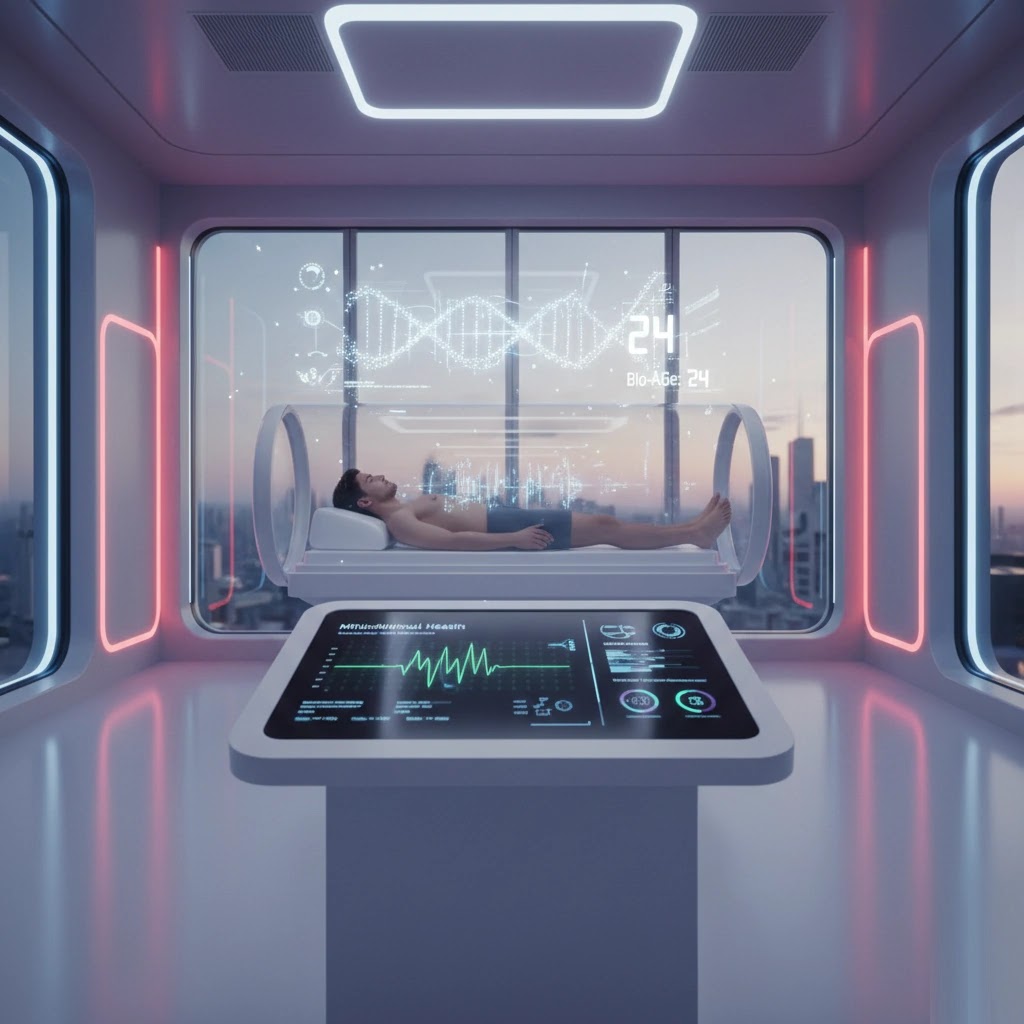
One of the most discussed longevity technologies in 2026 is the Dynamic Epigenetic Clock. Unlike traditional age measurement, biological age attempts to estimate how quickly the body is aging internally.
These systems analyze DNA methylation patterns, especially changes at CpG sites. In practical terms, this means the AI can estimate whether your body is aging faster or slower than expected based on lifestyle, stress, sleep, and metabolic health.
What makes this useful is feedback visibility. Users can now track whether specific habits are improving recovery and resilience over time. After several weeks of improved sleep scheduling or reduced alcohol intake, some people notice measurable changes in recovery markers and inflammation scores.
Real World Example
A remote software founder working 12 hour days may experience rising cortisol patterns, poor sleep consistency, and reduced recovery scores. An AI longevity platform can detect the trend early and recommend:
- Earlier light exposure in the morning
- Reduced evening screen brightness
- Lower caffeine intake after noon
- Recovery focused workouts instead of intense training
- Better meal timing for glucose stability
This moves healthcare from reactive treatment toward continuous prevention.
3. AI Driven Bio Hacking and Smart Wellness Systems
Bio hacking in 2026 is no longer limited to cold plunges or supplement stacks promoted online. The modern approach is heavily data driven and personalized.
Most advanced systems now combine:
- Continuous glucose monitoring
- Sleep tracking
- Heart rate variability analysis
- Stress pattern recognition
- Environmental monitoring
- AI generated recovery planning
Modern wearables can measure interstitial glucose, lactate response, body temperature variation, and recovery efficiency with surprising accuracy. These signals feed into Agentic AI health loops that continuously optimize routines.
For example, if your wearable detects poor recovery after late night work, the system may automatically reduce workout intensity recommendations the next day. Some smart homes now integrate wellness automation through cooling systems, circadian lighting, and sound environments designed for sleep optimization.
Wellness Paradigm Shift: 2026 Baseline
| Metric | 2025 Traditional | 2026 Longevity First |
|---|---|---|
| Primary Goal | Lifespan in Years | Healthspan and Daily Vitality |
| Diagnostics | Annual Blood Reports | Continuous Biological Tracking |
| Intervention | Generic Supplement Plans | AI Targeted Bio Molecules |
| Recovery Optimization | Manual Adjustments | Automated AI Wellness Feedback |
4. Real Use Cases for AI Longevity Platforms
The biggest reason this market is growing rapidly is practical usability. Personalized longevity systems are solving everyday health and performance problems for different groups of people.
For Entrepreneurs and Remote Workers
AI wellness systems help detect burnout patterns before they become serious. Sleep disruption, rising stress markers, and irregular recovery trends can be identified weeks earlier than traditional health checkups.
For Athletes and Fitness Enthusiasts
Performance optimization has become more precise. Instead of overtraining, athletes can adjust workouts based on recovery readiness and inflammation signals.
For Aging Adults
Older adults use AI monitoring systems to track mobility, cardiovascular health, and metabolic patterns. This helps improve independence and supports preventive healthcare.
For Small Businesses
Corporate wellness programs are beginning to integrate biometric health dashboards. Companies using recovery focused wellness initiatives often report lower absenteeism and improved employee satisfaction.
5. Pros and Cons of AI Based Longevity Systems
Advantages
- Highly personalized health insights
- Early detection of stress and recovery problems
- Better sleep and energy management
- Continuous data instead of yearly snapshots
- Improved motivation through measurable progress
Limitations
- Wearable accuracy can still vary
- Too much data may overwhelm some users
- Premium systems remain expensive
- Privacy concerns around biometric data collection
- Not all wellness claims are scientifically verified
One important observation from early adopters is that the best results usually come from consistency, not extreme experimentation. Sustainable routines outperform aggressive short term bio hacking trends.
6. The $746 Billion Longevity Economy
By February 2026, the global longevity economy has expanded into one of the fastest growing sectors in technology and healthcare. Analysts estimate the market has crossed $746 billion, driven by wearable technology, AI diagnostics, wellness infrastructure, and preventive health services.
The market is no longer centered only around hospitals or clinics. Real estate developers are designing Longevity Residences with integrated wellness infrastructure. These spaces include biometric monitoring systems, smart lighting environments, air quality optimization, and AI powered recovery systems.
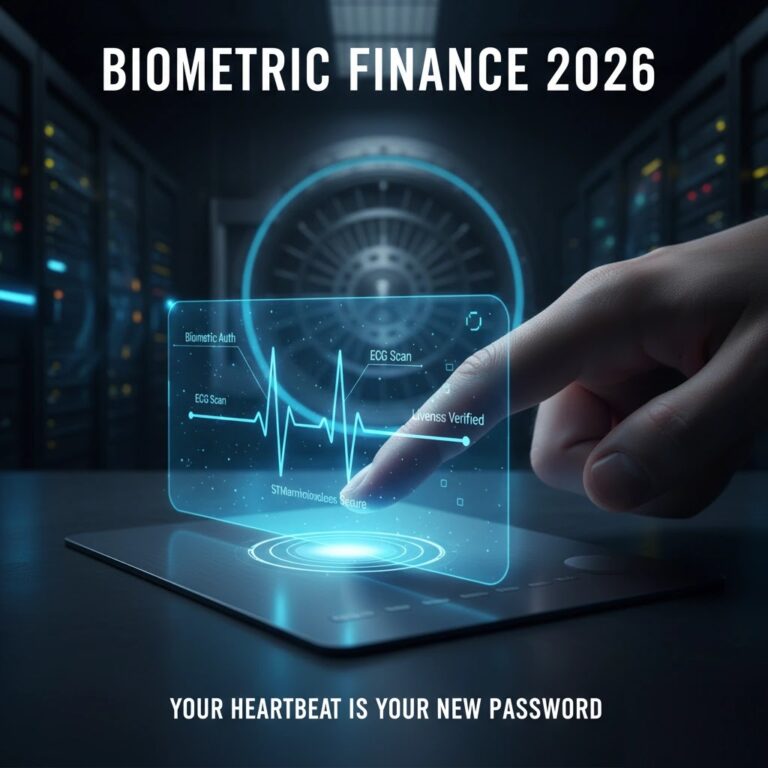
Even the Biometric Finance sector is adapting. Some insurance providers are experimenting with dynamic wellness pricing based on verified biological health improvements.
Longevity and Bio Hacking Market Valuation ($ Billions)
7. Best Practices Before Starting Bio Hacking
Many newcomers make the mistake of chasing advanced supplements and expensive devices before fixing basic health habits. Most experts working in longevity science recommend starting with foundational improvements first.
Recommended Starting Priorities
- Consistent sleep schedule
- Balanced nutrition and protein intake
- Daily movement and resistance training
- Stress management and recovery
- Limiting ultra processed food consumption
- Tracking trends instead of obsessing over daily fluctuations
Once these fundamentals are stable, AI powered tracking tools become far more effective because the data quality improves significantly.
It is also important to approach longevity systems with realistic expectations. No technology can completely stop aging. The real value comes from improving energy, resilience, cognitive function, and long term health quality.
8. Who Should Use Personalized Longevity Systems
Good Fit For
- Professionals experiencing burnout or poor recovery
- Fitness focused individuals who enjoy tracking progress
- People interested in preventive healthcare
- Founders and executives managing high stress workloads
- Adults focused on long term wellness optimization
May Not Be Ideal For
- Users expecting instant transformation
- People uncomfortable with biometric tracking
- Individuals prone to obsessive health monitoring
- Consumers looking for low cost wellness solutions
Technology works best when it supports healthy habits instead of replacing them.
9. Frequently Asked Questions
Is AI based bio hacking scientifically proven?
Some technologies, especially sleep tracking and glucose monitoring, already have strong scientific support. However, certain longevity claims still require more long term research.
Can biological age actually improve?
Many users report improved biological markers after improving sleep, nutrition, stress management, and fitness habits. Results vary based on lifestyle consistency and overall health condition.
Are wearable health devices accurate?
Modern wearables are improving rapidly, but they are not perfect medical devices. They work best for identifying trends rather than diagnosing serious medical conditions.
Is personalized longevity expensive?
High end systems can be costly, especially advanced testing platforms. However, many affordable wearable devices now provide useful recovery and wellness insights.
What is the biggest mistake beginners make?
Many people focus on advanced supplements while ignoring sleep quality, nutrition, hydration, and recovery basics. Foundational habits usually create the biggest long term impact.
KOLAACE™ Verdict
Personalized longevity is becoming one of the defining wellness shifts of 2026. The combination of AI diagnostics, wearable intelligence, and preventive healthcare is changing how people manage energy, recovery, and long term health. The real advantage is not chasing immortality. It is building a lifestyle where physical and cognitive performance remain stronger for longer.
Whether you are exploring edge based biofeedback, optimizing your recovery systems, or learning how digital legacy technologies intersect with future wellness ecosystems, the most important factor remains consistent daily habits supported by intelligent data.