For years, quantum computing was treated like a distant concept. Interesting, but not useful for real business decisions. That changed in 2026. Today, companies are not asking if quantum computing works. They are asking how fast they can integrate it into real workflows before competitors do.
The challenge is simple. Some problems are too complex for even the fastest classical computers. Route optimization with thousands of variables, drug molecule simulation, or real time financial risk analysis can take hours or even days. In fast moving industries, that delay directly translates to lost money or missed opportunities.
At KOLAACE™, we track where technology actually creates measurable impact. Quantum computing is now entering that stage. Not as a replacement for classical systems, but as a powerful extension that solves problems that were previously impractical.
I. Understanding Quantum Utility in 2026
The shift from experimental success to real world usage is known as Quantum Utility. This means quantum systems are now solving problems faster or more efficiently than classical methods in specific scenarios.
What Makes Quantum Different
- Superposition: Systems can evaluate multiple possibilities at once instead of one path at a time.
- Entanglement: Data points are interconnected, allowing faster pattern discovery.
- Probabilistic Output: Instead of exact answers, quantum systems find the most optimal solutions among many possibilities.
In practical terms, this means problems that grow exponentially with size can now be handled in a realistic timeframe.
Quantum Computing Market Value Projections (2024–2030)
*Rapid growth is driven by enterprise adoption and cloud access models.*
II. Step by Step: How Businesses Use Quantum Today
Step 1: Identify High Complexity Problems
Quantum computing is not used for basic tasks. It is applied where traditional systems struggle, such as optimization, simulation, or cryptography.
Step 2: Combine Classical and Quantum Systems
Most companies use hybrid workflows. Classical computers handle data preparation, while quantum systems solve the hardest part of the problem.
Step 3: Run via Cloud Platforms
Businesses access quantum hardware through cloud services, avoiding the need for expensive infrastructure.
Step 4: Interpret and Apply Results
Outputs are analyzed and integrated into real decisions like pricing, logistics planning, or research modeling.
III. Industry Disruptions: Real Use Cases That Work
| Sector | Challenge | Quantum Impact |
|---|---|---|
| Finance | Portfolio risk across thousands of assets | Faster optimization models that improve decision accuracy in seconds |
| Healthcare | Drug molecule simulation | Shorter research cycles and better prediction of reactions |
| Logistics | Complex route optimization | Reduced fuel costs and improved delivery efficiency |
Even small businesses benefit indirectly. For example, logistics optimization improves delivery networks used by eCommerce sellers. Financial optimization tools improve lending and investment platforms used by startups.
IV. Pros and Limitations of Quantum Computing
Advantages
- Solves high complexity problems faster
- Improves optimization and prediction accuracy
- Creates competitive advantage in data heavy industries
Limitations
- Not useful for everyday computing tasks
- Requires specialized knowledge and integration
- Hardware is still evolving and sensitive
From practical experience, the biggest mistake is trying to use quantum for everything. It works best when applied selectively to the right problems.
V. Security Shift: Preparing for Post Quantum World
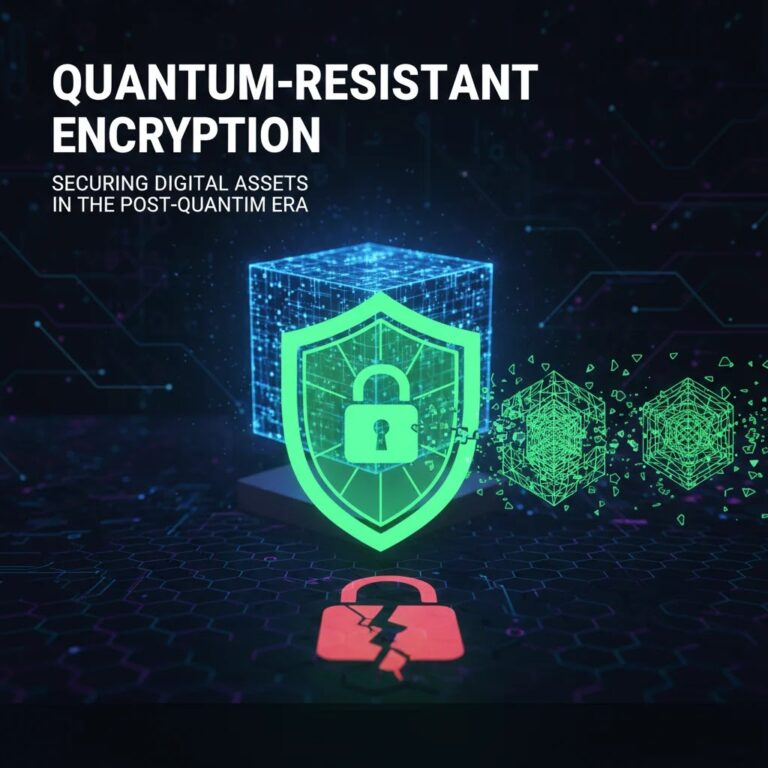
One of the most important impacts is on cybersecurity. Current encryption systems may not remain secure once quantum systems become more powerful.
- Post Quantum Cryptography: New encryption methods designed to resist quantum attacks
- Crypto Agility: Ability to switch security systems quickly
- Data Protection Strategy: Sensitive data must be secured today for future risks
Businesses that handle financial data, healthcare records, or customer information should start planning early.
VI. Who Should Use Quantum Computing
Best Fit
- Financial institutions
- Pharmaceutical companies
- Logistics and supply chain businesses
- AI research teams
Not Necessary Yet
- Small businesses with simple operations
- Basic content or service based workflows
- Tasks that do not involve complex optimization
However, awareness is important for everyone. Even if you do not use quantum directly, it will influence the tools and platforms you depend on.
VII. Best Practices for 2026 and Beyond
- Start with hybrid models instead of full transition
- Focus on high impact use cases first
- Invest in learning quantum basics for decision making
- Prepare security systems for post quantum risks
- Use cloud based quantum services to experiment safely
These steps help reduce risk while still gaining early advantage.
VIII. Final Takeaway
Quantum computing in 2026 is not about hype anymore. It is about selective advantage. Businesses that identify the right problems and apply quantum solutions correctly will see measurable improvements in speed, cost, and decision quality.
The key insight is simple. You do not need to replace your systems. You need to extend them intelligently.
Frequently Asked Questions