Healthcare is entering a very different phase in 2026. People are no longer satisfied with generic wellness advice, random supplements, or one-size-fits-all treatment plans. Many consumers now want health strategies built around their own biology. That demand has accelerated interest in personalized medicine, especially technologies connected to CRISPR, gene editing, and DNA analysis.
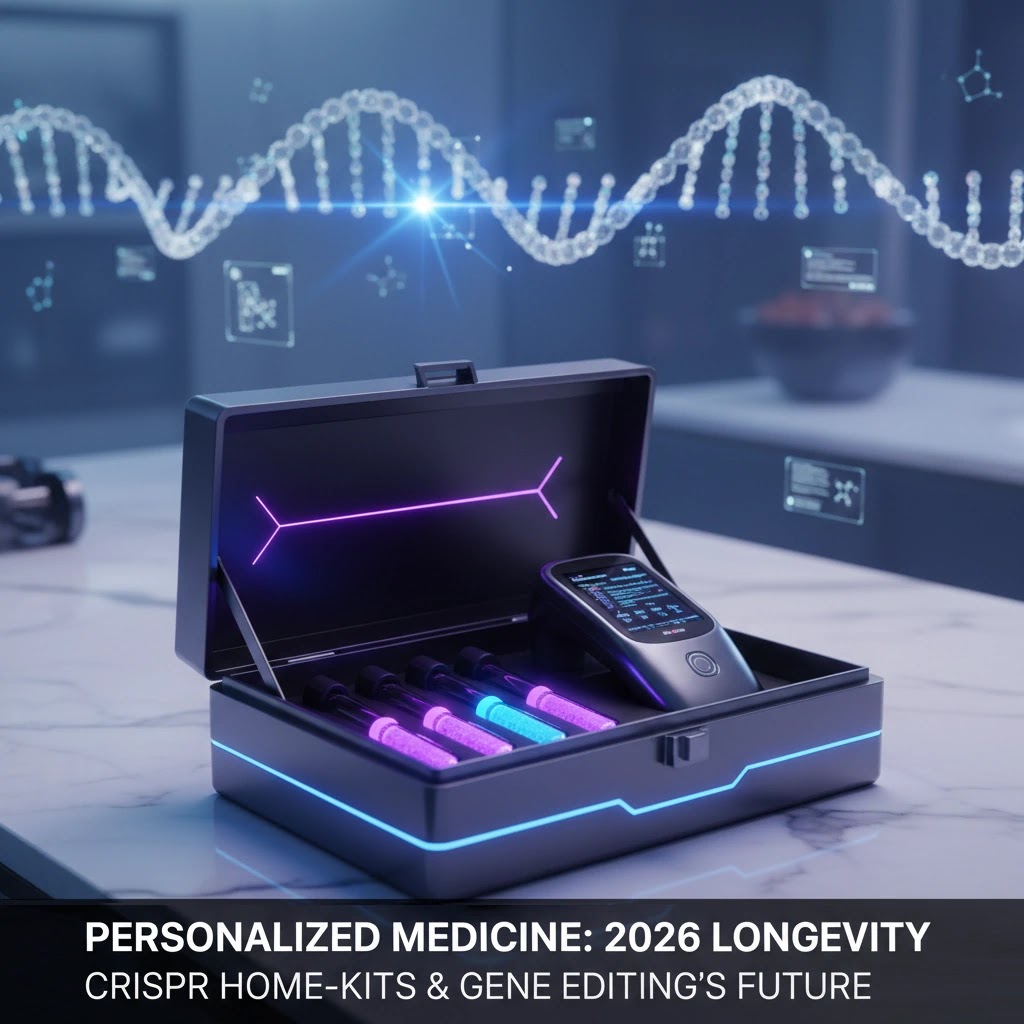
In practical terms, this means some health monitoring tasks that once required a research lab can now be performed through compact consumer devices. While fully autonomous home gene editing remains heavily regulated and controversial, simplified CRISPR-based testing and personalized genomic analysis kits are becoming more accessible. Similar to how wearable devices changed fitness tracking, these biotech tools are starting to change how people think about longevity and preventive healthcare.
1. The State of CRISPR and Personalized Medicine in 2026
CRISPR technology has matured rapidly over the last few years. Early conversations focused mostly on rare disease treatment inside controlled laboratories. In 2026, the discussion is broader. Researchers are now exploring how gene editing, epigenetics, and AI-driven genomic analysis can support long-term health optimization.
Most consumer-facing products are not editing DNA directly at home. Instead, they help users understand genetic markers connected to metabolism, inflammation, sleep quality, nutrition response, and aging risks. The more advanced systems combine AI models with genomic reports to suggest personalized routines.
For example, some platforms analyze:
- Vitamin absorption efficiency
- Muscle recovery patterns
- Inherited cholesterol risks
- Potential sensitivity to certain foods
- Sleep cycle irregularities
- Inflammation related biomarkers
What makes 2026 different is the integration of Agentic AI systems. AI models now process genomic data faster and provide actionable insights in a format ordinary consumers can understand.
Several biotech startups are also experimenting with controlled RNA-level modification systems and targeted protein regulation research. However, it is important to separate real medical science from exaggerated social media marketing. Safe clinical oversight still matters.
2. Why CRISPR Home-Kits Are Getting Attention
The growing popularity of biotech home-kits is linked to convenience, personalization, and curiosity about longevity. Consumers increasingly want faster access to biological data without booking repeated clinic visits.
In urban markets, especially among technology professionals and health-conscious consumers, these kits are becoming part of a broader self-tracking culture that already includes:
- Smart watches
- Sleep trackers
- Continuous glucose monitors
- Fitness analytics platforms
- AI nutrition planning apps
Modern biotech kits often include compact sequencing tools, saliva collection systems, and AI-powered mobile apps. Some systems also use Edge Computing infrastructure to process sensitive health information more efficiently and reduce cloud dependency.
What Users Typically Receive
A standard personalized medicine workflow in 2026 usually looks like this:
- User submits a saliva or blood sample.
- The sample is analyzed for genetic patterns.
- AI models compare results against health databases.
- The platform generates personalized recommendations.
- The user receives lifestyle guidance, not just raw data.
Some advanced services also connect recommendations with nutrition plans, exercise programs, supplement schedules, and long-term health monitoring.
Practical Use Cases
After analyzing current market trends and user adoption patterns, several use cases stand out:
- Personalized fitness recovery planning
- Customized nutrition strategies
- Preventive cardiovascular risk monitoring
- Age-related biomarker tracking
- Family genetic history analysis
- Long-term metabolic health optimization
For small healthcare startups, this sector also opens new business opportunities. Clinics can offer AI-assisted genomic consultations without building expensive full-scale laboratories.
3. Benefits and Risks Consumers Should Understand
Personalized medicine offers genuine advantages, but it also comes with important limitations. Many online discussions focus only on benefits while ignoring ethical and medical concerns.
Potential Advantages
- More personalized health recommendations
- Earlier identification of certain health risks
- Better long-term preventive care planning
- Improved understanding of individual biology
- Potential reduction in trial-and-error wellness spending
Important Risks and Concerns
- Data privacy issues involving genomic information
- Overreliance on AI-generated advice
- Unregulated biotech products entering the market
- Misinterpretation of genetic results by consumers
- Ethical concerns around DIY gene editing
One of the biggest challenges in 2026 is misinformation. Some companies market experimental technology as if it were fully proven medical treatment. Consumers should always verify whether a platform works with licensed medical professionals and follows regional regulations.
| Capability | 2022 Standard | 2026 Standard |
|---|---|---|
| Main Tech | Cas9 Laboratory Research | Prime and Base Editing Research |
| Primary Focus | Rare Disease Treatment | Preventive and Personalized Health |
| User Access | Research Institutions | Consumer Health Platforms |
| Analysis Method | Manual Genetic Interpretation | AI Assisted Genomic Insights |
| Connected Devices | Specialized Lab Equipment | Compact AI-Integrated Devices |
4. Who Should Use Personalized Genomic Platforms, and Who Should Avoid Them
Best Fit for These Users
- People focused on preventive healthcare
- Fitness enthusiasts tracking long-term performance
- Users managing hereditary health risks
- Technology-forward healthcare professionals
- Consumers interested in data-driven wellness planning
Not Ideal for These Situations
- People expecting instant medical cures
- Users uncomfortable sharing sensitive biological data
- Consumers relying only on social media advice
- Individuals replacing doctors with AI tools entirely
From a practical perspective, personalized medicine works best as a support system, not a replacement for professional healthcare. The most reliable results usually come when AI analysis is combined with medical supervision.
5. Why Investors Are Watching the Longevity Industry Closely
The CRISPR-based gene editing market is expanding rapidly. Analysts estimate the sector could cross $8.32 billion in 2026 due to rising demand for precision medicine, AI-driven diagnostics, and longevity-focused healthcare solutions.
Several trends are contributing to this growth:
- Increasing consumer awareness of preventive healthcare
- AI-powered genomic analysis becoming cheaper
- Expansion of cloud and 6G infrastructure
- Growth of biotech startups focused on personalized wellness
- Rising aging populations in urban regions
Investors are particularly interested in companies combining AI, diagnostics, and personalized treatment recommendations into one ecosystem. This convergence is creating a new category of digital healthcare businesses.
CRISPR-Based Gene Editing Market ($ Billions)
6. Best Practices Before Using Any CRISPR or DNA Health Platform
Before purchasing any personalized medicine or genomic analysis service, consumers should evaluate the platform carefully.
Important Things to Check
- Whether medical professionals are involved
- How genomic data is stored and protected
- Whether the company explains limitations honestly
- If the platform follows healthcare regulations
- Whether recommendations are evidence-based
One strong indicator of a trustworthy platform is transparency. Reliable companies clearly explain what their technology can and cannot do. Overpromising usually signals weak scientific credibility.
Consumers should also avoid making major health decisions based only on AI-generated reports. Personalized medicine can improve awareness, but responsible interpretation remains critical.
7. Frequently Asked Questions
Are CRISPR home-kits legally approved everywhere?
No. Regulations vary significantly between countries. Many consumer products focus on DNA analysis and wellness insights rather than direct gene editing.
Can personalized medicine increase lifespan?
It may help improve preventive healthcare and lifestyle optimization, but no technology can guarantee longer life. Results depend on genetics, environment, nutrition, and medical care.
Is genomic data privacy a serious concern?
Yes. DNA information is highly sensitive. Users should review privacy policies carefully before sharing biological data with any company.
Are AI-generated health recommendations reliable?
AI can identify patterns efficiently, but medical professionals should still review important health decisions. AI should support healthcare, not replace it completely.
Will personalized medicine become mainstream?
Current industry trends suggest personalized healthcare will continue expanding, especially as AI analysis becomes faster and more affordable.
KOLAACE™ Verdict
Personalized medicine in 2026 is less about science fiction and more about data-driven healthcare. The biggest transformation is not necessarily home gene editing itself, but the growing ability to understand individual biology with greater precision.
As AI, genomics, and wearable technologies continue to merge, preventive healthcare may become far more personalized than traditional systems ever allowed. Still, responsible regulation, privacy protection, and scientific accuracy will determine whether this industry builds long-term trust.
For readers following the future of longevity, AI health systems, and biotech innovation, this space is worth watching closely. Stay updated with our latest future tech trends for deeper analysis on emerging technologies shaping the next decade.