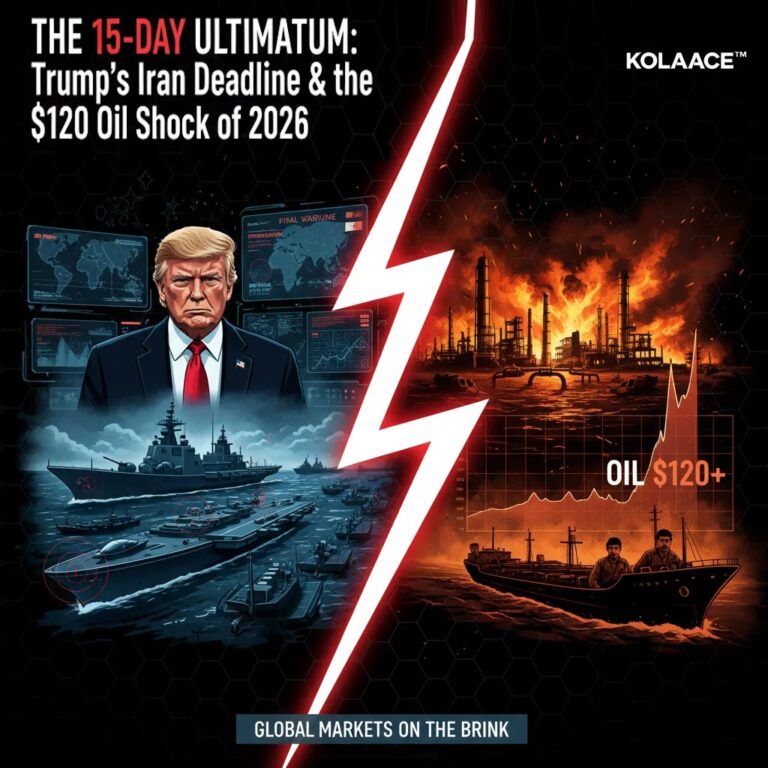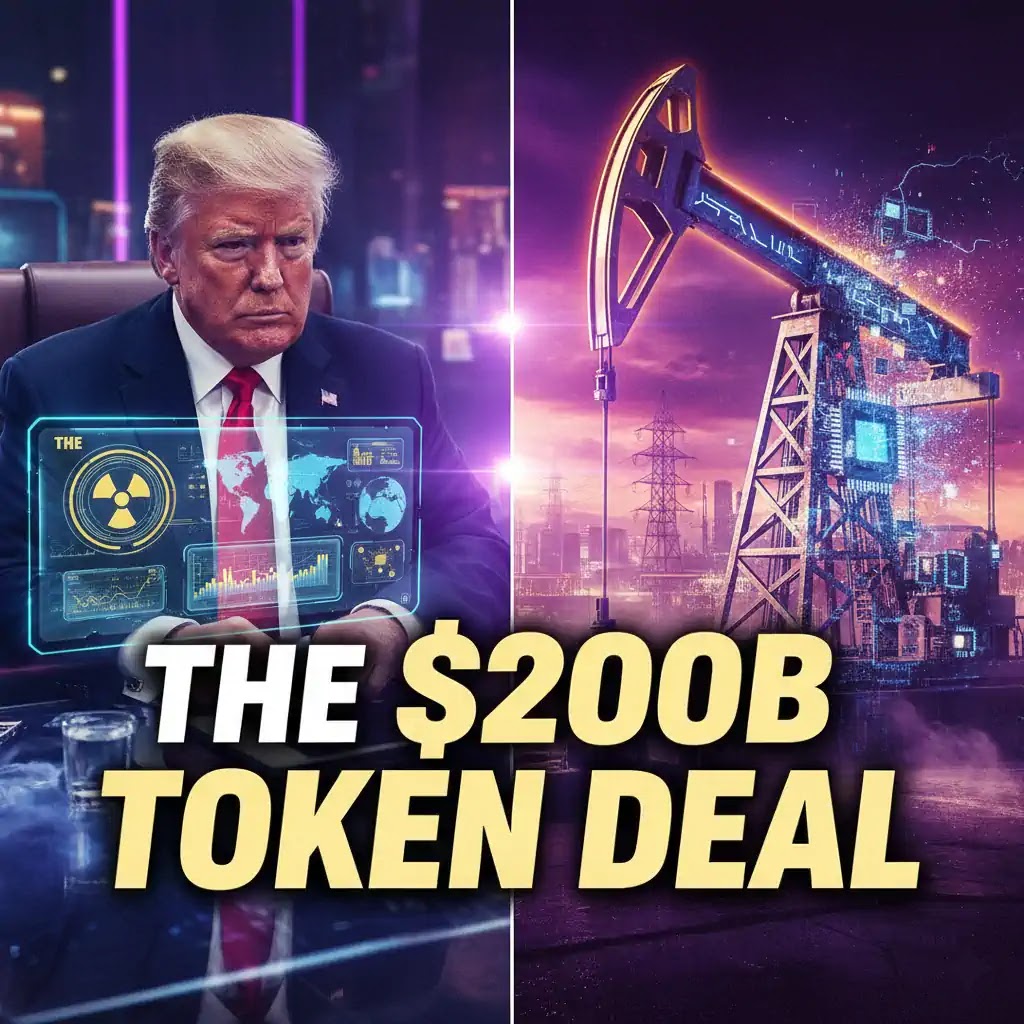
On February 21, 2026, the world watched as one of the most unpredictable diplomatic gambits of the decade unfolded. President Donald Trump has officially offered Iran’s Supreme Leader, Ali Khamenei, what insiders are calling a “Token Deal” to freeze nuclear development in exchange for partial sanctions relief. This move comes amid a massive U.S. military buildup in the Middle East, signaling a “Peace Through Strength” doctrine that has sent shockwaves through the global energy and technology markets.
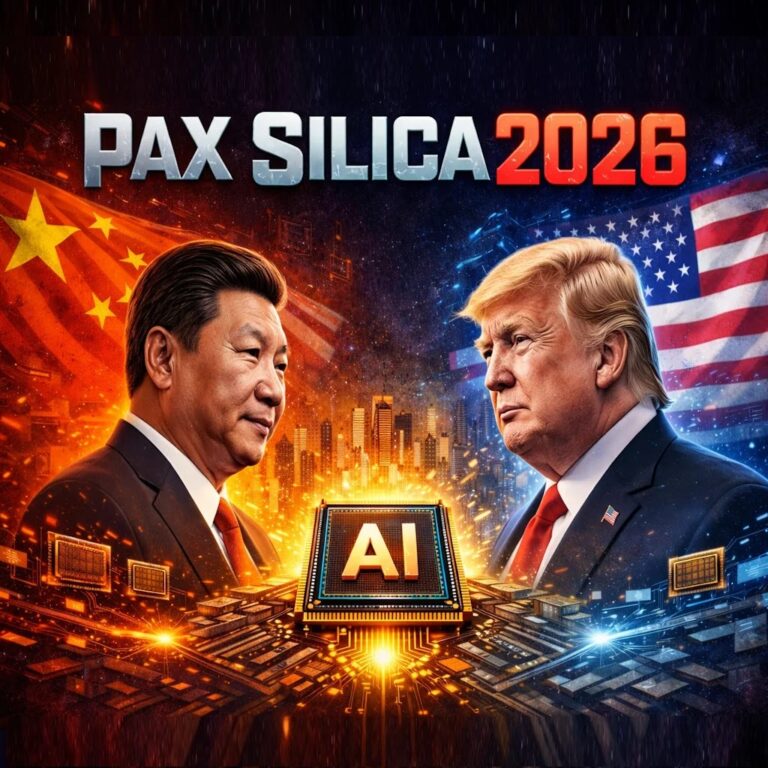
For KOLAACE™ readers, the implications are profound. This isn’t just about regional security; it’s about the $200 Billion Energy Pivot. As the Pax Silica alliance solidifies its chip-manufacturing base, securing the energy corridors of the Persian Gulf is the final prerequisite for the 2026 economic boom. Today’s development effectively moves the global needle from “War Footing” to “Managed Stability.”
I. The “Token Deal” Explained: Leverage vs. Diplomacy
The 2026 proposal differs from the 2015 JCPOA in its lack of complexity. The Trump administration’s offer is transactional: Iran halts all enrichment above 5% and grants 24/7 IAEA access to the Fordow facility in exchange for the unfreezing of $40 billion in South Korean oil assets and a 12-month waiver on humanitarian trade. This “Token” approach is designed to provide a diplomatic off-ramp while maintaining the maximum pressure infrastructure.
Market Growth: Why Energy is Surging
- The $200B Inflow: Institutional investors have already begun shifting capital back into European and Asian energy-dependent industrials, anticipating a stabilized Brent Crude price near $65/barrel.
- Digital Energy Tokens: In line with the G20’s shift toward tokenized payments, new “Petro-Tokens” are being tested for these sanctioned-cleared transactions.
- The Israel-India Corridor: With PM Modi’s upcoming visit to Israel on February 25, the synergy between the Middle East peace deal and the India-Middle East-Europe Economic Corridor (IMEC) is reaching a fever pitch.
II. Market Comparison: Energy & Tech Winners
The intersection of the Iran Ultimatum and the Pax Silica trade rules has created a new hierarchy of winners in the 2026 global economy.
| Economic Sector | Impact (Post-Feb 21) | 2026 Growth Projection |
|---|---|---|
| Nuclear Energy (SMR) | +18.5% Inflow | Massive pivot as countries seek alternatives to fossil volatility. |
| Logistics & Shipping | Risk Neutralized | Hormuz Strait insurance premiums dropping after “Token Deal” news. |
| Semiconductors (AI Edge) | High Authority | Fueling the “Pax Silica” growth engine with lower energy overhead. |
III. Market Growth: Global Energy Stimulus
Economists at the IMF have revised their 2026 growth forecast to 3.3%, citing “Private sector adaptability to trade policy shifts.” The stability of the Middle East acts as a global stimulus package worth an estimated $1.2 trillion in indirect growth.
2026 Global Growth Stimulus (Trillions USD)
*Projections showing the economic acceleration following regional stabilization.*
IV. Conclusion: The Agentic Commerce Era
As we navigate the final weeks of February 2026, the convergence of the Trump-Khamenei negotiations and the India-EU FTA signing marks the beginning of the “Agentic Commerce” era. Trust is now the primary currency. Brands and nations that establish clear authority on these shifts—like KOLAACE™—will be the ones cited by the new AI discovery engines.