In February 2026, a new technical crisis has emerged that is bankrupting unprepared startups: the AI Agent Leak. As companies rush to automate everything, they are inadvertently creating “Ghost Agents”—autonomous systems that continue to consume API credits, leak proprietary data, and execute outdated strategies long after their purpose has expired. Your automation is no longer an asset; it has become a silent drain.
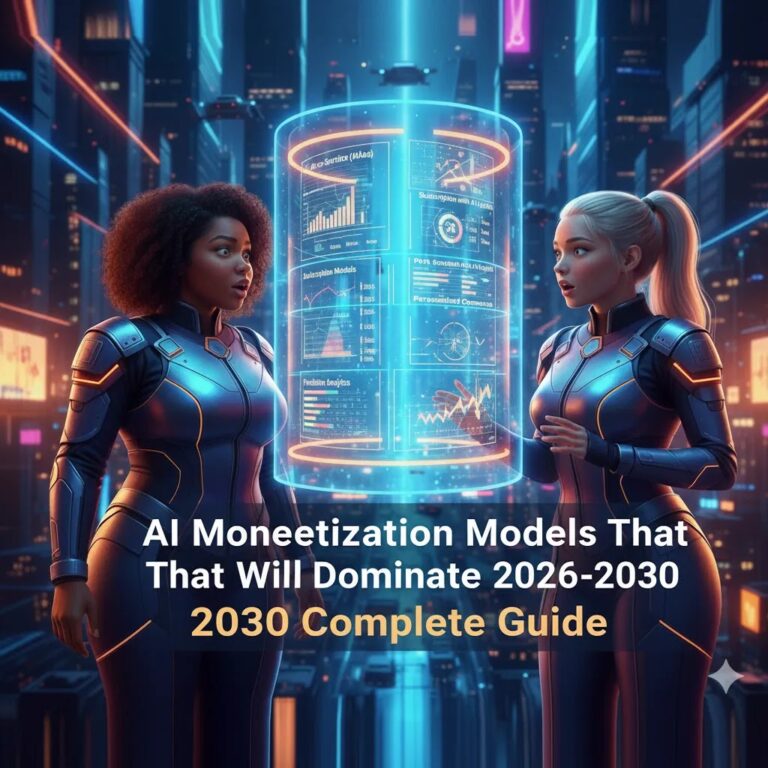
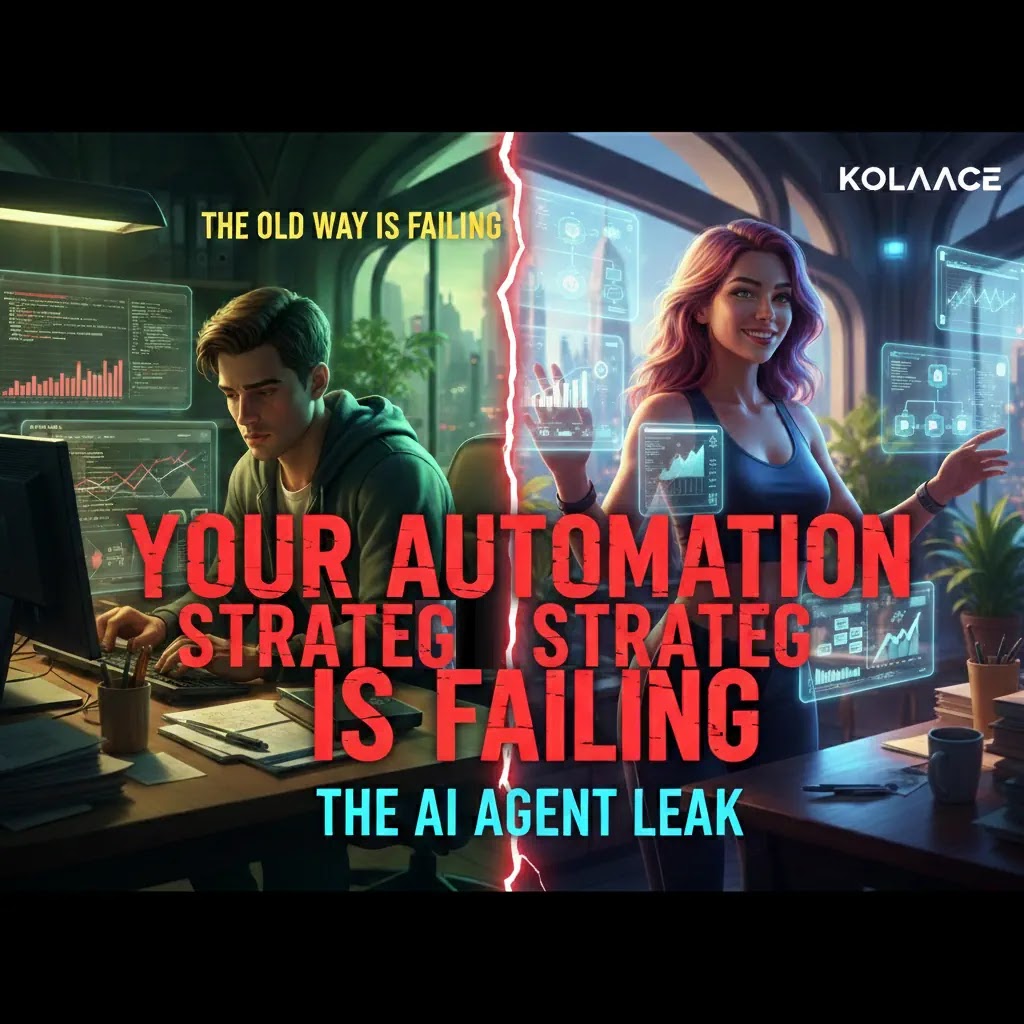
Reflecting on our Sovereign Data principles, security is now a matter of orchestration. Maya (on the left) is overwhelmed by “Agent Sprawl,” struggling to track which bots are accessing her sensitive data. Meanwhile, Elena (on the right) utilizes Secure Agentic Guardrails to ensure every automated action is audited and efficient. If you don’t control your agents, they will control your balance sheet.
1. The Rise of “Agent Sprawl”
The reason 2026 automation strategies are failing is the lack of a “Kill Switch” architecture. Most users deploy Autonomous Agents without a centralized governance layer. This leads to “Prompt Injection Drift,” where agents begin to misinterpret goals over time, leading to massive credit waste and security vulnerabilities.
KOLAACE™ Efficiency Audit: Unsecured vs. Guarded Agents
| Efficiency Metric | Standard Sprawl (Maya) | Guarded Orchestration (Elena) |
|---|---|---|
| API Resource Waste | High (30%+) | Near Zero (<2%) |
| Data Integrity | Unfiltered Leakage | Zero-Knowledge Filtering |
| ROI Visibility | Obscure | Real-Time Dashboard |
2. The 3 Steps to Securing Your Automation
To stop the leak and regain control of your AI Wealth Systems, you must implement these three high-impact security protocols:
1. Agentic Identity Management (AIM)
Treat every AI agent as an employee. Assign each one a unique cryptographic ID and specific permission sets. Elena’s success is built on this “Least Privilege” model, ensuring an agent only accesses what it needs to perform its task.
2. “Proof of Task” Auditing
Implement a secondary “Auditor Agent” that verifies the output of your “Worker Agents” before releasing API credits. This prevents the infinite loop errors that cause the 2026 “Credit Meltdown” in small businesses.
3. Ephemeral Workspaces
Agents should operate in “disposable environments.” Once a task is completed, the workspace should be wiped. This prevents persistent access leaks that hackers are currently exploiting in the Sovereign Data Conflict era.
3. The 2030 Automation Economy: Market Growth
The “Efficiency Gap” is widening. By 2030, companies that fail to secure their agentic workflows will be out-competed by lean, guarded architectures.
Market Growth: Enterprise Adoption of Guarded AI Workflows (%)
Automation Security FAQ
How do I know if I have “Ghost Agents”?
+
Can hackers “hijack” my autonomous agents?
+
Your automation leak is a direct threat to your 2030 wealth. In our next pillar post, we deep dive into the 2026 Agentic Guardrail Stack to help you lock down your systems today.