Consumers in 2026 are overwhelmed with choices. Every app, website, and marketplace competes for attention at the same time. Because of this, traditional marketing strategies based on broad audience groups are rapidly losing effectiveness. Generic emails, mass promotions, and one-size-fits-all product recommendations no longer create strong engagement.
This shift has pushed businesses toward a new strategy called Hyper-Personalization. Instead of targeting large customer groups, companies now use AI to create experiences tailored for each individual user. The goal is simple, make every customer feel understood personally.
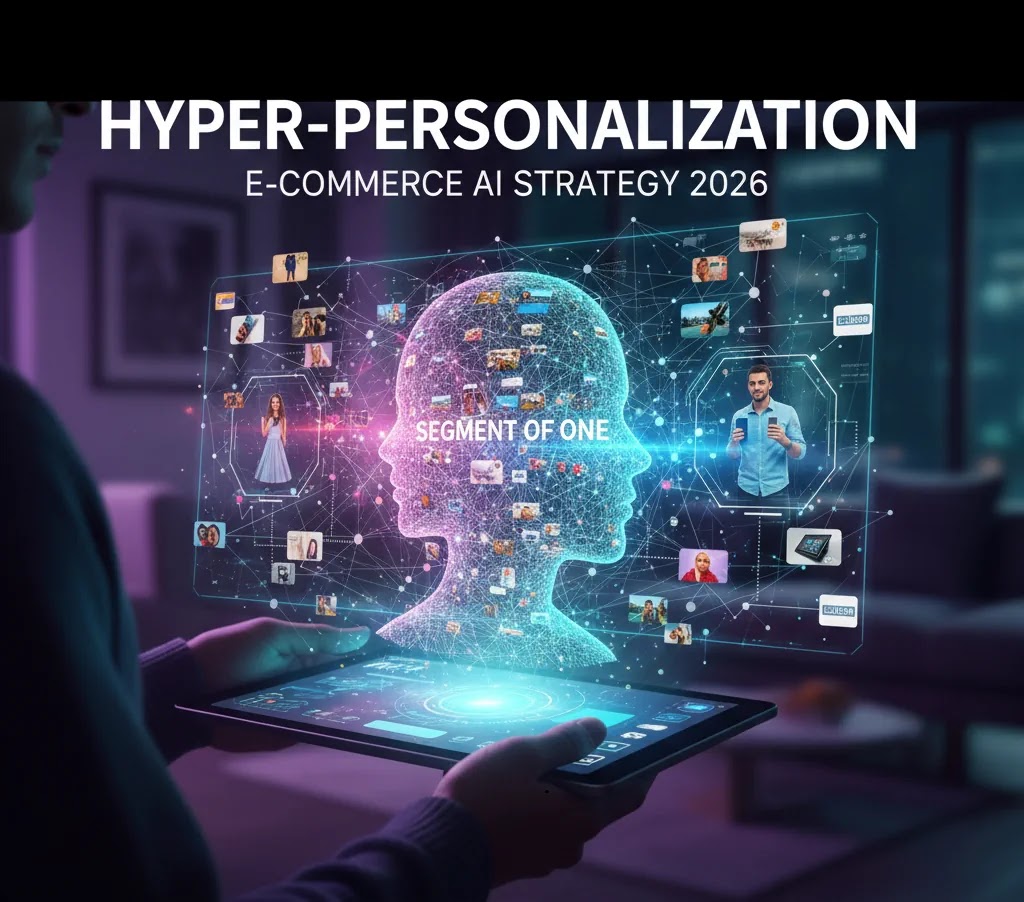
Modern AI systems can analyze browsing behavior, purchase history, device usage, location patterns, timing preferences, and even interaction habits to deliver customized experiences in real time. This approach is commonly called the “Segment of One”, where every user becomes their own unique audience category.
What Does “Segment of One” Actually Mean?
The “Segment of One” is a marketing and customer experience strategy where AI systems personalize content, recommendations, offers, and interactions for each individual customer instead of relying on broad demographic groups.
Earlier digital marketing models worked by dividing users into categories such as age, gender, location, or interests. In 2026, AI allows businesses to go much deeper. Two users of the same age living in the same city may now receive completely different experiences based on their behavior patterns and preferences.
How AI Builds Personalized Experiences
- Tracks browsing and scrolling behavior.
- Analyzes past purchases and abandoned carts.
- Studies timing patterns and engagement frequency.
- Observes device preferences and app usage.
- Adjusts recommendations based on seasonal trends and local conditions.
For example, during monsoon season in India, an online marketplace may automatically prioritize rainwear, waterproof gadgets, or delivery-friendly products for users located in affected regions. A fitness-focused customer may see completely different homepage recommendations compared to someone primarily shopping for electronics.
The most effective personalization systems do not feel intrusive. Instead, they quietly reduce friction and help users discover relevant options faster.
1. Predictive Intent Engines Are Redefining Online Shopping
One of the biggest technologies driving hyper-personalization in 2026 is the Predictive Intent Engine. These AI systems attempt to predict what a customer may need before the customer actively searches for it.
Modern recommendation systems no longer rely only on search keywords. They also analyze subtle behavioral signals such as:
- Time spent viewing specific products.
- Repeated visits to similar categories.
- Scroll pauses and interaction patterns.
- Wishlist activity and cart behavior.
- Past buying frequency and timing.
For example, if a customer repeatedly compares smartphone models but delays purchasing, the system may infer price sensitivity and show targeted discounts or EMI offers at the right moment.
In practical business environments, predictive personalization often improves conversion rates because customers spend less time searching manually.
Why Predictive Personalization Works
- Reduces decision fatigue for users.
- Improves product discovery speed.
- Increases customer satisfaction.
- Helps businesses recommend relevant products naturally.
- Creates smoother shopping journeys.
2. Dynamic Visual Content and Adaptive User Interfaces
Hyper-personalization in 2026 goes far beyond product recommendations. Websites and applications are increasingly changing their visual presentation dynamically based on user preferences and interaction styles.
AI systems can now adjust layouts, banners, product placements, color intensity, and even content density in real time.
Examples of Dynamic Personalization
- Minimal interfaces for users who prefer faster browsing.
- Visual-heavy layouts for highly interactive shoppers.
- Region-specific banners based on weather or local events.
- Personalized homepage categories based on previous engagement.
- Language adaptation for multilingual audiences.
This type of personalization creates a more comfortable browsing experience because users are not overwhelmed with irrelevant content.
From a UX perspective, adaptive interfaces often improve retention because customers feel the platform naturally matches their preferences.
UX Insight: Effective hyper-personalization should simplify decision-making, not manipulate users. The best systems reduce friction quietly without making the experience feel invasive.
3. AI Concierge Systems and Conversational Commerce
Another major trend in 2026 is the rise of AI concierge systems. Unlike traditional customer support chatbots, modern AI assistants maintain contextual memory and personalized understanding across sessions.
These systems can remember customer preferences, sizes, budgets, previous purchases, communication styles, and service history. This creates a shopping experience similar to interacting with a trusted local shopkeeper who already understands your needs.
How AI Concierge Systems Help Businesses
- Provides faster customer assistance.
- Improves product recommendation accuracy.
- Creates stronger long-term customer relationships.
- Supports multilingual communication.
- Reduces repetitive support workload.
Many Indian businesses are integrating conversational commerce into WhatsApp, websites, and mobile applications because customers increasingly expect instant and personalized interaction.
Small businesses especially benefit because AI concierge systems can provide round-the-clock engagement without requiring large customer support teams.
4. Real-World Hyper-Personalization Use Cases in India
India’s digital economy is becoming one of the fastest adopters of AI-driven personalization because of its massive mobile-first consumer base.
E-Commerce Platforms
Shopping apps personalize homepage products, pricing offers, and recommendations based on user activity patterns and local trends.
Streaming Platforms
AI engines suggest content based on watch behavior, viewing duration, language preferences, and engagement history.
Fintech Applications
Financial apps personalize investment suggestions, spending insights, and savings reminders based on transaction behavior.
Healthcare Platforms
Some digital healthcare services personalize appointment reminders, wellness content, and preventive care recommendations.
Small Business Marketing
Local businesses use AI-powered CRM systems to personalize offers, WhatsApp campaigns, and customer retention programs.
5. Advantages and Challenges of Hyper-Personalization
Key Advantages
- Higher customer engagement and retention.
- Improved shopping and browsing experience.
- Better recommendation accuracy.
- Increased conversion rates for businesses.
- Reduced information overload for users.
Potential Challenges
- Privacy and data protection concerns.
- Risk of excessive user tracking.
- Dependence on large customer datasets.
- Possibility of recommendation bias.
- Customer discomfort if personalization feels intrusive.
Businesses implementing personalization strategies must balance convenience with transparency. Users increasingly expect control over how their data is collected and used.
6. Best Practices for Businesses Using Hyper-Personalization
Companies seeing long-term success with AI personalization usually focus on relevance and customer trust instead of aggressive targeting.
Practical Best Practices
- Use personalization to improve usability, not overwhelm customers.
- Be transparent about data collection practices.
- Allow users to control personalization preferences.
- Prioritize contextual relevance over constant promotions.
- Continuously test and refine recommendation systems.
- Maintain human oversight in sensitive decision-making areas.
Strong personalization feels helpful and natural. Poor personalization often feels repetitive or invasive.
The brands likely to succeed in 2026 are those that combine AI efficiency with genuine customer understanding.
Conclusion
Hyper-personalization is rapidly becoming a core business strategy rather than an optional marketing upgrade. As AI systems become more advanced, customers increasingly expect digital experiences tailored specifically to their needs, habits, and preferences.
The rise of the “Segment of One” reflects a broader shift in digital commerce where relevance, convenience, and contextual understanding are becoming stronger drivers of loyalty than generic advertising campaigns.
For businesses in India and across the global digital economy, the challenge is not simply collecting more data. The real challenge is using AI responsibly to create experiences that genuinely improve customer journeys while maintaining trust and privacy.
Companies that successfully balance personalization with transparency may build stronger long-term customer relationships in the years ahead.
How do you feel about AI-driven personalization in 2026? Helpful convenience or too much tracking? Share your opinion in the comments below.
Frequently Asked Questions
What is hyper-personalization in marketing?
Hyper-personalization uses AI and customer data to create highly tailored digital experiences for individual users instead of broad audience groups.
What does “Segment of One” mean?
The “Segment of One” refers to treating every customer as a unique audience segment with personalized recommendations, content, and interactions.
How do AI recommendation systems work?
AI recommendation systems analyze browsing behavior, purchase history, engagement patterns, and contextual data to predict relevant products or content.
Can small businesses use hyper-personalization?
Yes, many affordable CRM and AI marketing tools now allow small businesses to personalize campaigns, customer communication, and recommendations effectively.
What are the risks of hyper-personalization?
Potential risks include excessive user tracking, privacy concerns, intrusive recommendations, and dependence on large customer datasets.