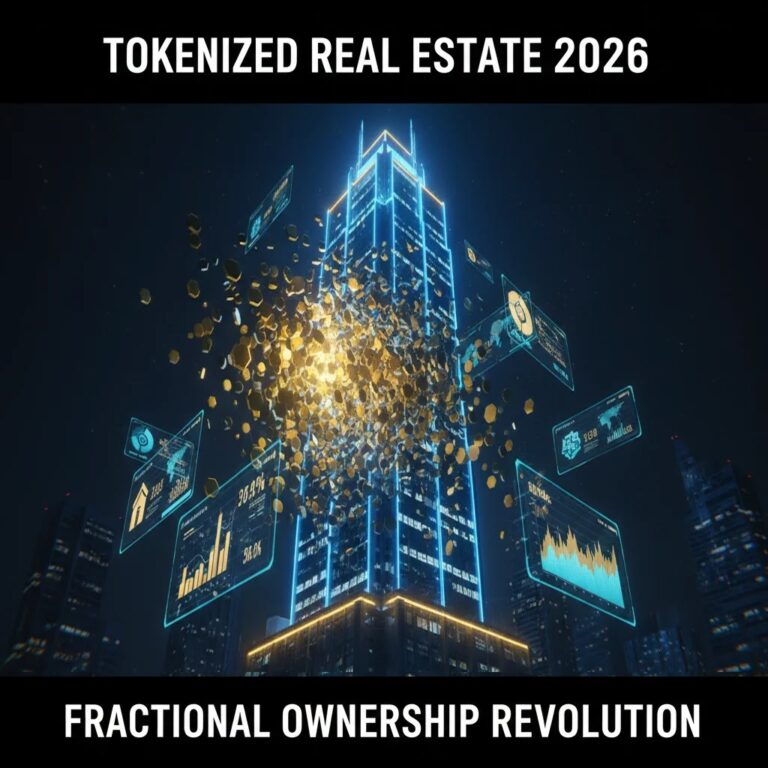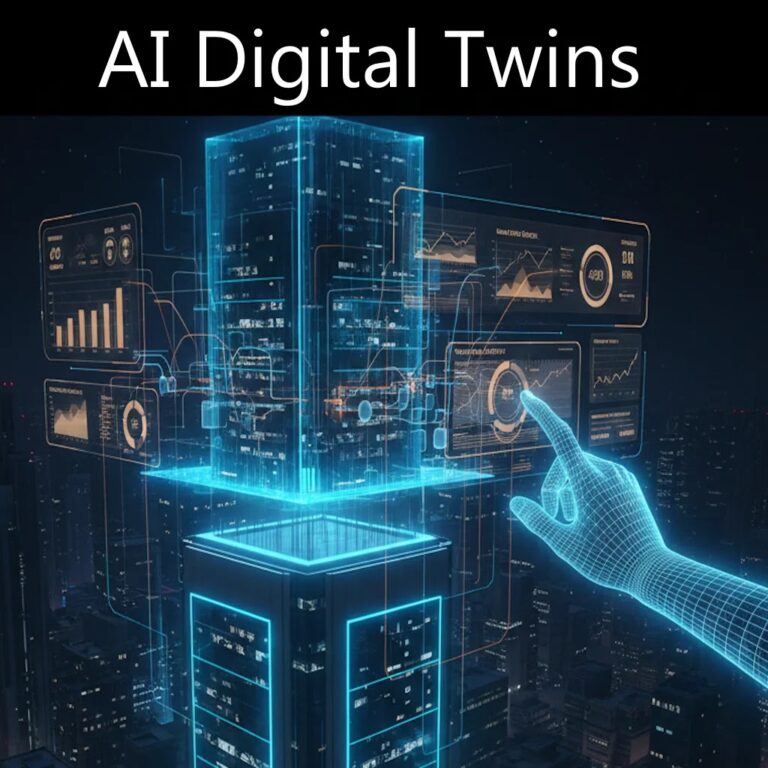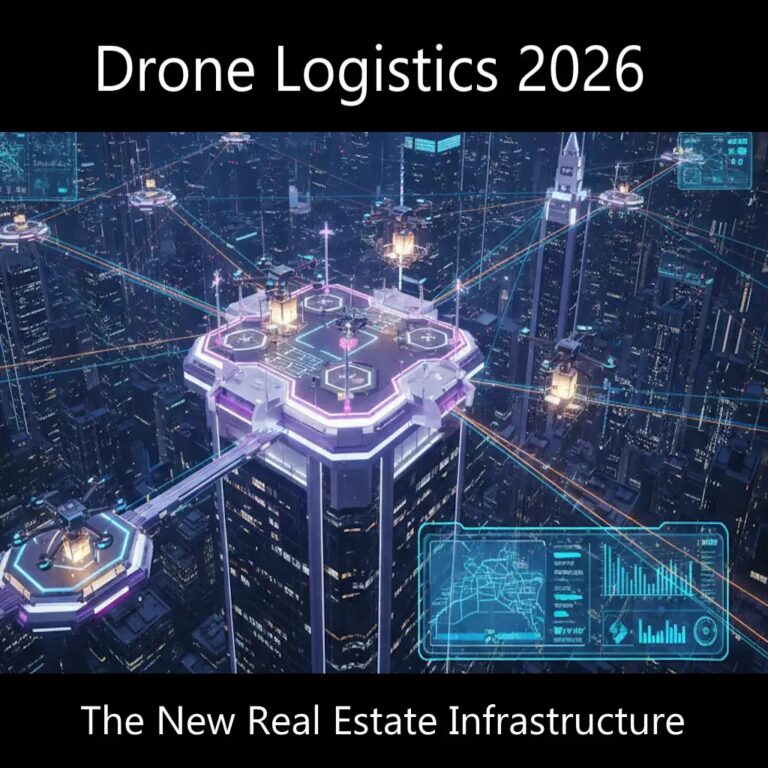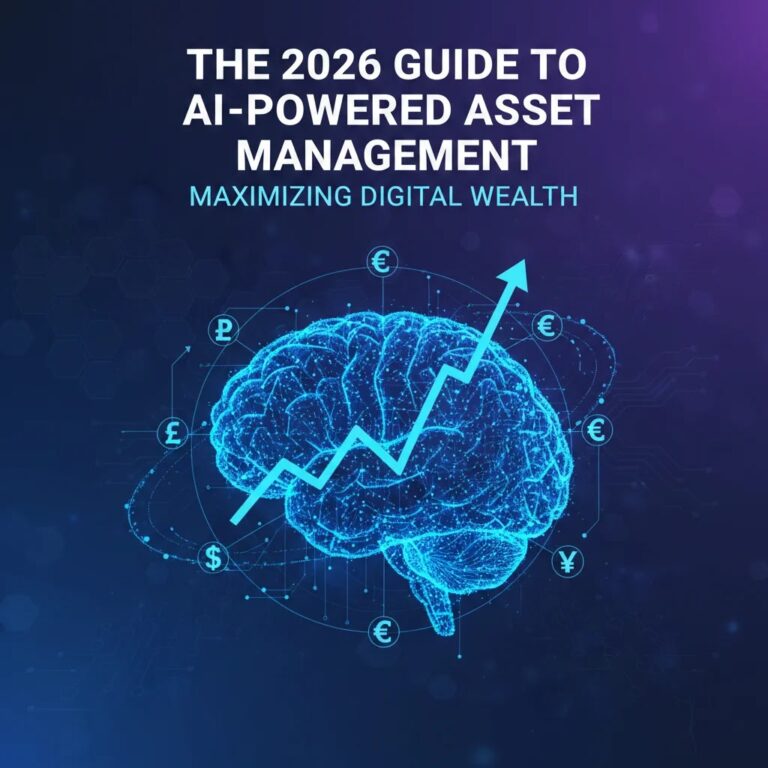
For decades, the “gold standard” of wealth was physical property. But in February 2026, investors are waking up to a harsh reality: traditional real estate is becoming a low-yield liability. Between soaring maintenance costs and the 2026 property tax resets, the “safe” investment of the past is failing. The smart money has moved to the Digital Land Grab—the acquisition of high-intent digital real estate and AI-driven cash-flow assets.
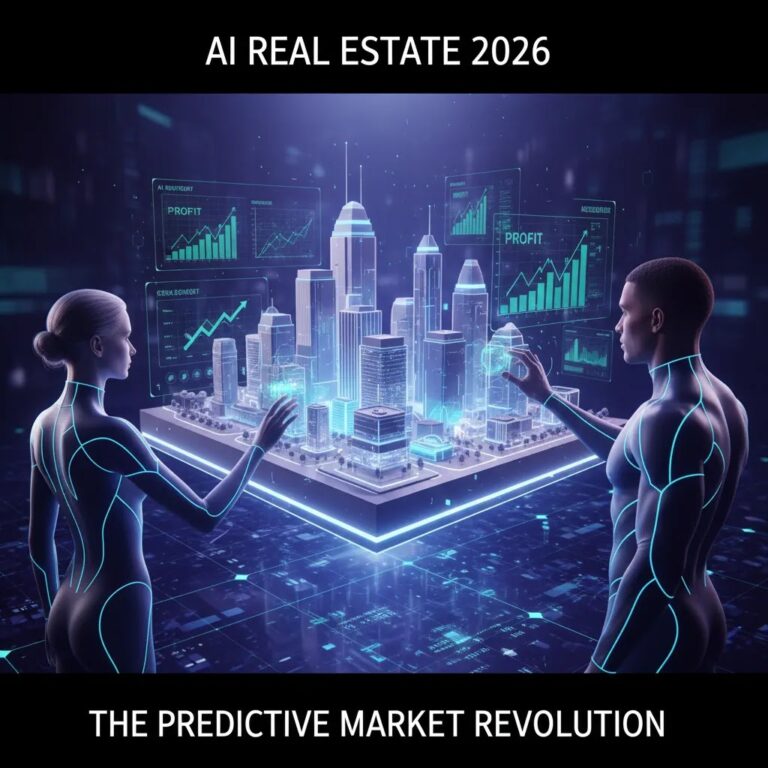
Following our framework of Invisible Inflation, we see a massive divergence in asset performance. Maya (on the left) is struggling with stagnant rental yields and the physical burden of a crumbling “old brick” model. Meanwhile, Elena (on the right) is scaling an empire of “Digital Plots”—AI-optimized niche authorities that generate revenue 24/7 without a single brick or mortar repair.
1. The Collapse of the “Old Brick” Model
The failure of traditional real estate in 2026 isn’t just about interest rates; it’s about Liquidity and Leverage. Physical assets are slow, taxed heavily, and geographically tethered. In a world powered by AI Operating Systems, the most valuable “property” is attention and data infrastructure. If your wealth is locked in a 30-year mortgage, you lack the agility to pivot into the 2030 boom sectors.
KOLAACE™ Asset Matrix: Physical vs. Digital Land
| Feature | Physical Property (2020) | Digital Land (2026) |
|---|---|---|
| Maintenance Cost | High (1-3% value/year) | Ultra-Low (Hosting/API) |
| Scalability | Linear (One house at a time) | Exponential (Global reach) |
| Management | Manual (Property Managers) | Autonomous (AI Wealth Engines) |
2. How to Claim Your Digital Plot
To avoid the “Physical Trap,” you must begin acquiring assets that function as Digital Real Estate. These aren’t just websites; they are High-Authority Nodes in the AI ecosystem:
1. Niche AI Authority Nodes
Owning a high-traffic, niche-specific knowledge hub is the equivalent of owning a storefront on 5th Avenue. By using AI Wealth Systems, you can manage 50 of these nodes simultaneously with the overhead of a single employee.
2. “Compute” Leasing
Just as developers lease land to builders, smart investors in 2026 are leasing “Compute and API bandwidth” to smaller startups. This is the new passive income stream for the 2030 decade. It is the invisible infrastructure that makes every Autonomous Agent possible.
3. Intellectual Property Moats
In a world of infinite AI content, “Verified Human Authority” is the new beachfront property. Building a brand that users trust is a moat that cannot be automated away. Elena’s digital empire is built on this foundation of high-trust authority.
3. The 2030 Wealth Shift: Market Growth
The valuation of Digital Land is projected to surpass residential real estate in high-growth markets by 2030. The transition is currently in its most aggressive phase.
Market Growth: Asset Allocation of the Top 1% by 2030 (%)
“Physical real estate makes you a landlord of the past. Digital real estate makes you an architect of the future.”
Digital Land FAQ
Is Digital Land just domain names?
+
How do I liquidate digital assets?
+
The real estate failure is a signal to pivot. In our next pillar post, we deep dive into the 2026 AI Portfolio Strategy to help you secure your digital plots today.