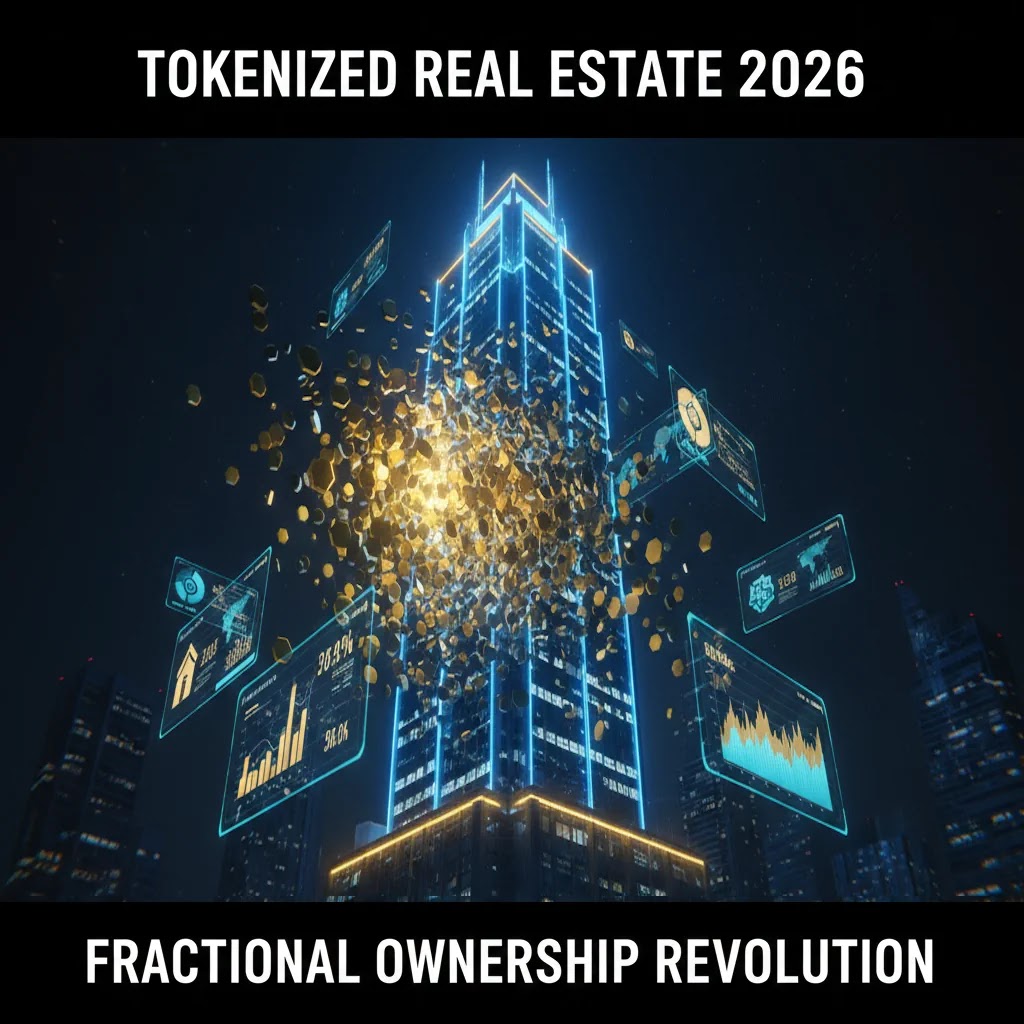
Real estate investing used to require large capital, long paperwork cycles, and patience during resale. In 2026, that model is changing quickly. Tokenized real world assets, often called RWAs, are allowing investors to buy small fractions of premium properties through blockchain-backed ownership systems.
This shift matters because liquidity has traditionally been one of the biggest problems in property investing. Many investors are asset rich but cash poor. Selling a building or commercial unit can take months. Fractional ownership platforms are solving part of this issue by allowing smaller ownership units to be traded digitally.
At KOLAACE™, we have closely tracked how tokenization platforms are changing investor behavior. The biggest change is not only accessibility. It is the speed at which investors can diversify across cities, property types, and income streams without buying entire buildings.
For investors already exploring AI-powered wealth management, tokenized real estate is becoming an important portfolio category because it combines physical asset backing with digital flexibility.
Market Velocity: The Trillion-Dollar Shift
Adoption in 2026 is accelerating faster than many analysts expected. Several institutional funds are now experimenting with blockchain-based settlement systems for commercial properties, rental housing, warehouses, and hospitality assets.
According to KOLAACE™ Market Growth Analysis, the tokenized asset economy has crossed the multi-trillion-dollar stage globally. A major reason for this growth is lower entry barriers. Investors who previously could not participate in premium real estate markets can now gain exposure with smaller amounts of capital.
In practical terms, this means a retail investor can own a percentage of a rental building in a high-demand business district without managing tenants or handling maintenance directly.
Projected Global RWA Market Size ($ Trillions)
How Fractional Ownership Works in 2026
Fractional ownership is no longer limited to vacation homes or private investor groups. Modern RWA systems use blockchain infrastructure to divide a property into smaller digital ownership units.
Each token can represent a percentage of ownership, rental income rights, or revenue participation depending on the platform structure and local regulations.
Typical Tokenization Process
- Property ownership details are verified legally.
- The asset is placed into a compliant ownership structure.
- Digital tokens are issued against the underlying property.
- Investors purchase fractions through approved platforms.
- Rental income or appreciation is distributed proportionally.
One important observation from recent market activity is that investors are increasingly choosing income-producing assets rather than speculative land investments. Warehouses, student housing, medical buildings, and logistics facilities are seeing higher demand because cash flow visibility is clearer.
This also connects strongly with digital asset security strategies, since ownership verification and transaction tracking now rely heavily on secure smart contract systems.
| Feature | Legacy Real Estate | 2026 Tokenized RWA |
|---|---|---|
| Minimum Entry | $50,000+ | $50 to $1,000 |
| Liquidity | Months to Sell | Faster Secondary Trading Access |
| Compliance | Manual or Notary-based | Automated Smart Contract Systems |
| Ownership | Physical Deed | Digital Token Structure |
Strategic Insight: In 2026, the strongest tokenized assets are not always luxury properties. Buildings with stable occupancy, predictable cash flow, and transparent reporting are attracting more serious investors.
Real World Use Cases Investors Are Watching
Commercial Office Buildings
Office spaces in technology corridors are increasingly being split into tokenized units. This allows investors to access institutional-grade assets that were previously inaccessible to smaller buyers.
Rental Housing Portfolios
Rental apartments are popular because they generate recurring income. Some platforms distribute monthly returns directly based on occupancy and rental performance.
Warehouse and Logistics Properties
Warehousing demand remains strong due to ecommerce growth. Investors are using tokenized logistics properties as long-term cash flow assets.
Hospitality Assets
Hotels and short-term stay properties are also entering tokenized markets. However, these assets can be more volatile because revenue depends heavily on tourism cycles.
Cross-Border Investing
One practical advantage of tokenization is easier global diversification. Investors can gain exposure to international markets without directly purchasing foreign property in the traditional way.
Pros and Cons of Tokenized Real Estate
Advantages
- Lower entry barriers for smaller investors.
- Improved diversification across multiple properties.
- Potentially faster liquidity compared to traditional property sales.
- Transparent transaction tracking through blockchain systems.
- Access to institutional-grade real estate opportunities.
Limitations and Risks
- Regulations still vary between countries and regions.
- Some secondary markets have limited trading activity.
- Platform quality differs significantly.
- Smart contract vulnerabilities remain a technical concern.
- Investors may overestimate short-term liquidity.
Based on market observations, inexperienced investors sometimes assume tokenized property behaves exactly like cryptocurrency trading. In reality, the underlying asset still follows real estate market cycles, occupancy trends, and local economic conditions.
Important Note: Fractional ownership improves accessibility, but investors should still review legal structures, governance models, and income distribution terms carefully before investing.
Best Practices Before Investing in RWA Platforms
Review Asset Transparency
High-quality platforms usually provide occupancy data, projected yields, maintenance information, and ownership documentation.
Study Local Regulations
Tokenized assets are treated differently across jurisdictions. Investors should understand taxation, compliance, and investor protection rules before participating.
Focus on Cash Flow Quality
Properties with stable tenants and long-term demand often provide more predictable performance than speculative projects.
Diversify Across Asset Categories
Many experienced investors avoid concentrating their holdings in a single city or property type. Diversification remains important even in digital ownership models.
Check Platform Reputation
Look for platforms with audited reporting systems, legal transparency, and clear communication around fees and investor rights.
Who Should Consider Tokenized Real Estate
Good Fit For
- Investors seeking diversification beyond stocks and crypto assets.
- Younger investors entering property markets gradually.
- Global investors looking for international exposure.
- Passive income focused portfolios.
- Investors comfortable with digital finance platforms.
May Not Be Ideal For
- People expecting guaranteed short-term profits.
- Investors unfamiliar with blockchain security basics.
- Those needing immediate liquidity during market downturns.
- Users unwilling to research platform credibility carefully.
What the Next Phase Could Look Like
The next stage of tokenized real estate will likely involve stronger integration with AI-driven portfolio systems, automated compliance tools, and real-time property analytics.
Some institutional firms are already testing systems where AI models automatically rebalance portfolios between traditional REITs, tokenized properties, and infrastructure assets based on risk and income conditions.
Another trend worth watching is the integration of tokenized assets with AI Digital Twin technology. Investors increasingly want live operational visibility into buildings before allocating capital.
This is moving real estate away from static ownership and toward data-driven asset management.
Conclusion: The Future of Property Ownership is Becoming More Flexible
Tokenized real world assets are reshaping how investors access real estate in 2026. The biggest advantage is not hype or speculation. It is flexibility. Smaller capital requirements, broader diversification, and digital ownership systems are opening opportunities that previously belonged mainly to institutions and ultra-high-net-worth investors.
At KOLAACE™, our analysis suggests the long-term winners in this sector will be platforms that combine regulatory transparency, strong property selection, and reliable investor reporting.
For investors willing to research carefully and think long term, tokenized real estate may become one of the most practical bridges between traditional assets and digital finance infrastructure.
Frequently Asked Questions
Is tokenized real estate legal in 2026?
Legality depends on the country and regulatory structure. Many jurisdictions now allow regulated forms of tokenized ownership, but compliance rules differ widely.
Can small investors really buy premium real estate fractions?
Yes. One of the biggest benefits of fractional ownership is lower capital requirements. Some platforms allow entry with relatively small investments.
Are tokenized assets safer than cryptocurrency?
They are different asset categories. Tokenized RWAs are backed by physical assets, but they still carry platform, regulatory, and market risks.
How do investors earn returns?
Returns may come from rental income distributions, property appreciation, or secondary market trading depending on the platform structure.
What is the biggest risk in tokenized real estate?
Platform quality and regulatory uncertainty remain major concerns. Investors should carefully evaluate transparency, legal structures, and liquidity conditions.