You check your bank balance regularly. It looks stable, sometimes even slightly higher than last year. But something feels off. Monthly expenses are rising faster than expected, and saving money feels harder despite earning more.
This is not poor budgeting. It is a pattern many households are facing in 2026. The reason is what experts call Invisible Inflation. It does not show up clearly like fuel price hikes or tax increases. Instead, it quietly reduces your purchasing power through subscriptions, dynamic pricing, and low interest returns.
1. What is Invisible Inflation and Why It Matters
Invisible Inflation refers to small, continuous increases in everyday spending combined with stagnant returns on savings. Individually, these changes look harmless. Over time, they significantly reduce your real wealth.
Common Sources of Hidden Cost Increases
- Subscription creep: OTT platforms, apps, and tools that auto-renew monthly
- Dynamic pricing: Travel, food delivery, and e-commerce prices changing based on demand
- Convenience fees: Small charges added to everyday services
- Low interest returns: Savings accounts failing to keep up with inflation
In cities across India, people often notice this through increased delivery costs, surge pricing, and bundled subscription plans. These are not always obvious, but they add up quickly.
2. Why Traditional Saving Strategies Are Failing
Saving a fixed percentage of income worked when expenses were predictable and interest rates were reasonable. In the current environment, this approach is less effective.
Key Limitations
- Returns from savings accounts often stay below real inflation
- Money remains idle instead of growing
- Unexpected digital expenses reduce planned savings
For example, a typical savings account may offer around 3 to 4 percent annually, while actual lifestyle inflation may exceed that. This means your money grows in number but loses real value.
Wealth Performance Snapshot
| Asset Type | Typical Return | Real Outcome |
|---|---|---|
| Savings Account | Low | Declining purchasing power |
| Equity Markets | Moderate | Balanced growth |
| Digital Income Systems | High potential | Compounding growth |
3. Step by Step: How to Escape the Invisible Inflation Trap
Step 1: Audit Your Monthly Outflow
List every recurring expense. Identify subscriptions and services that are not actively used. Even small savings here can improve your financial position.
Step 2: Shift from Saving to Allocating
Instead of keeping large amounts idle, allocate funds across different growth channels. This improves overall returns.
Step 3: Build Active Income Streams
Explore digital income opportunities such as content platforms, affiliate systems, or small online tools. These can generate consistent earnings over time.
Step 4: Use Automation for Financial Discipline
Automate investments and savings transfers. This reduces emotional decision-making and ensures consistency.
Step 5: Monitor Real Returns
Focus on inflation-adjusted growth, not just nominal gains. This gives a clearer picture of financial progress.
4. Real-World Scenarios
- A salaried professional reduces unused subscriptions and saves a significant amount annually
- A small business owner reinvests profits into digital assets that generate additional income
- A freelancer builds automated income streams alongside regular work
These examples highlight that small changes in strategy can create meaningful financial improvements.
5. Pros and Cons of Modern Wealth Strategies
Advantages
- Better protection against inflation
- Higher potential returns
- More control over financial growth
Challenges
- Requires active involvement and learning
- Initial uncertainty in new strategies
- Time needed to build stable income streams
6. Who Should Take Action Immediately
High Priority
- Individuals with stagnant savings growth
- Households with rising monthly expenses
- Professionals relying only on fixed income
Lower Urgency
- Those already investing in diversified assets
- People with strong passive income sources
7. Best Practices to Protect Your Wealth
- Review expenses quarterly
- Diversify income sources
- Focus on long-term compounding
- Avoid emotional financial decisions
Shift toward active wealth management
8. Final Takeaway
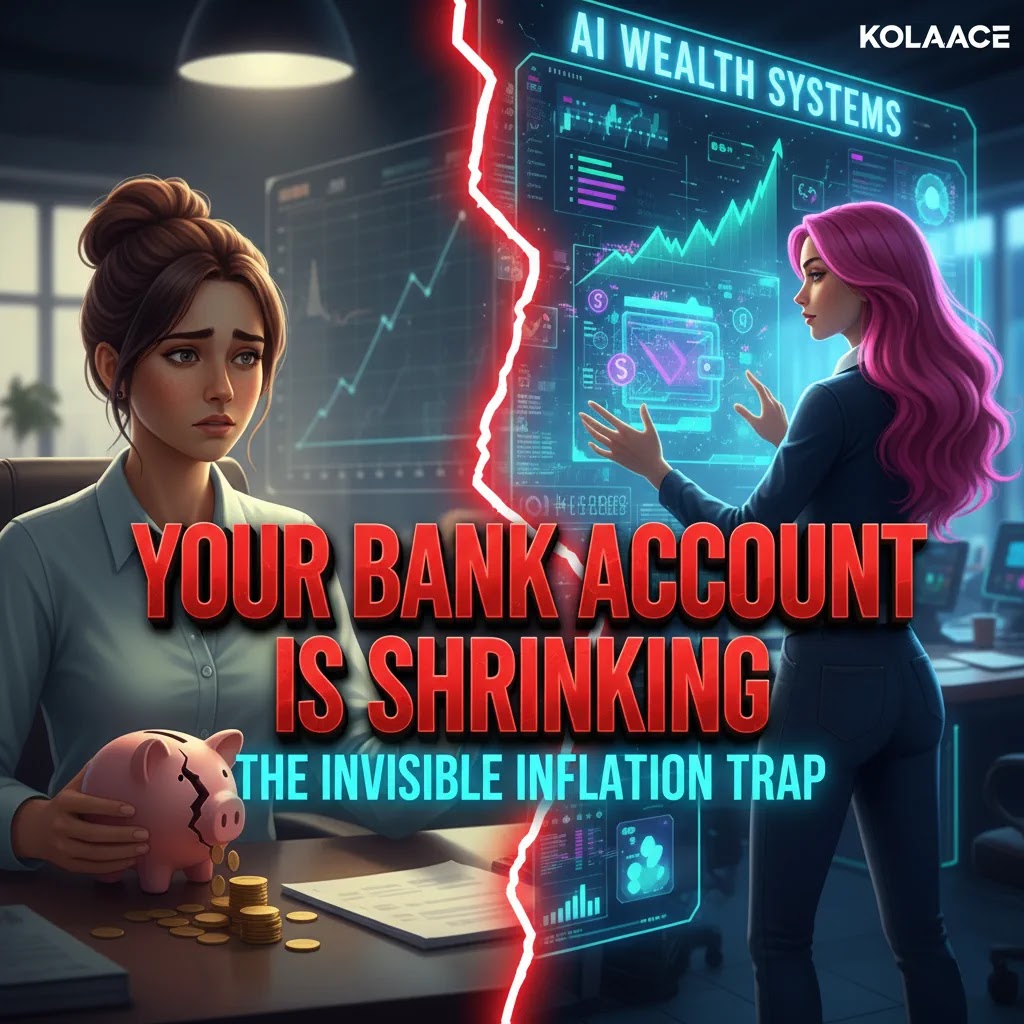
Your bank account is not shrinking because you are careless. It is shrinking because the financial environment has changed.
In 2026, money needs to be managed actively. Simply saving is not enough. By tracking expenses, reallocating funds, and building additional income streams, you can protect and grow your wealth more effectively.
Wealth Strategy FAQ
Is keeping money in a savings account bad?
+
How can I track invisible inflation in my expenses?
+
What is the safest way to start investing?
+
How much should I allocate to investments?
+