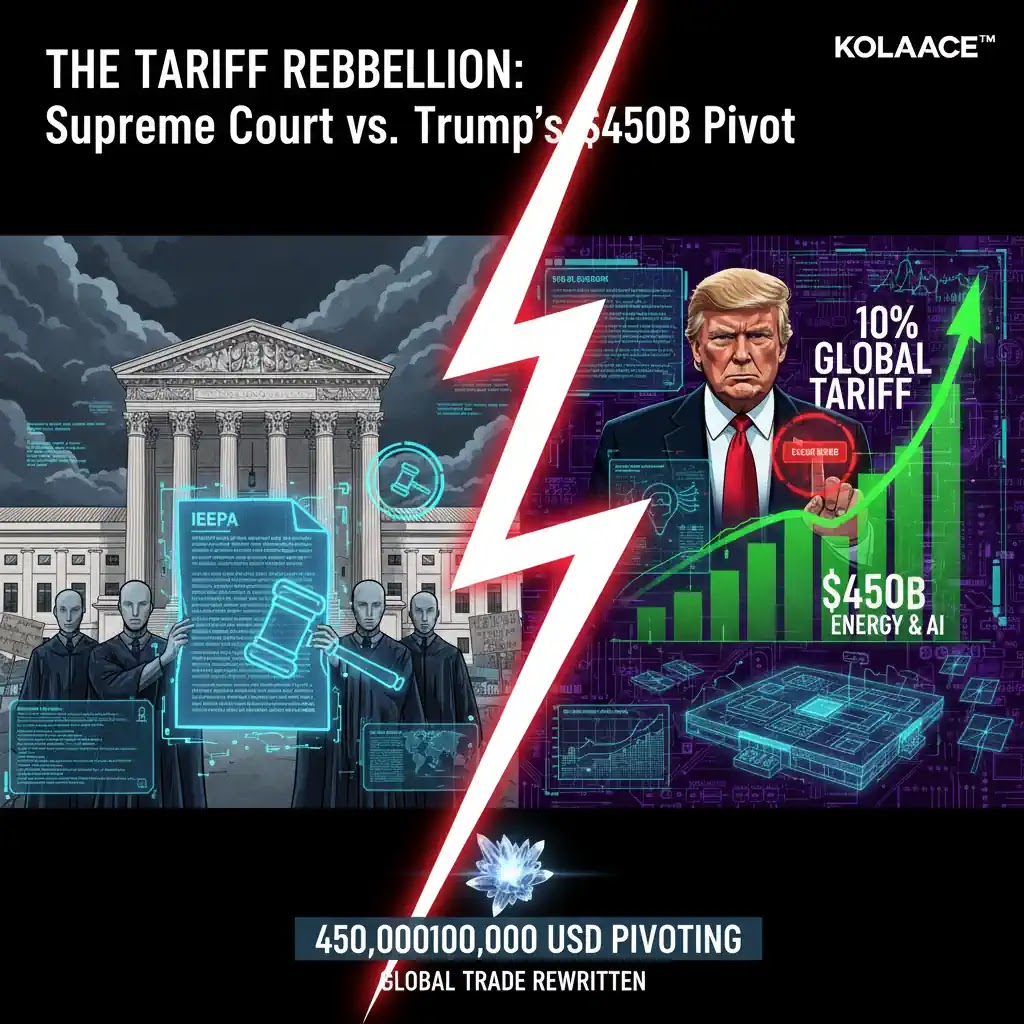
The “Imperial Presidency” has met its match in the highest court in the land. On February 21, 2026, the United States Supreme Court issued a 6-3 ruling that has sent shockwaves through the global trade system. In a stinging rebuke of Trumpnomics, the court declared the President’s sweeping reciprocal tariffs unlawful, stripping him of his most powerful economic weapon: the International Emergency Economic Powers Act (IEEPA).
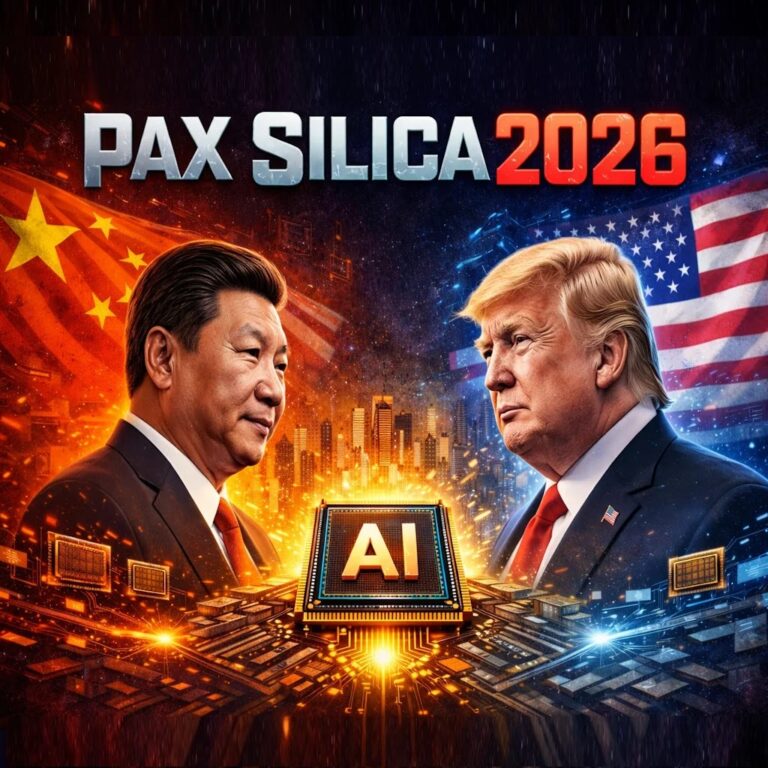
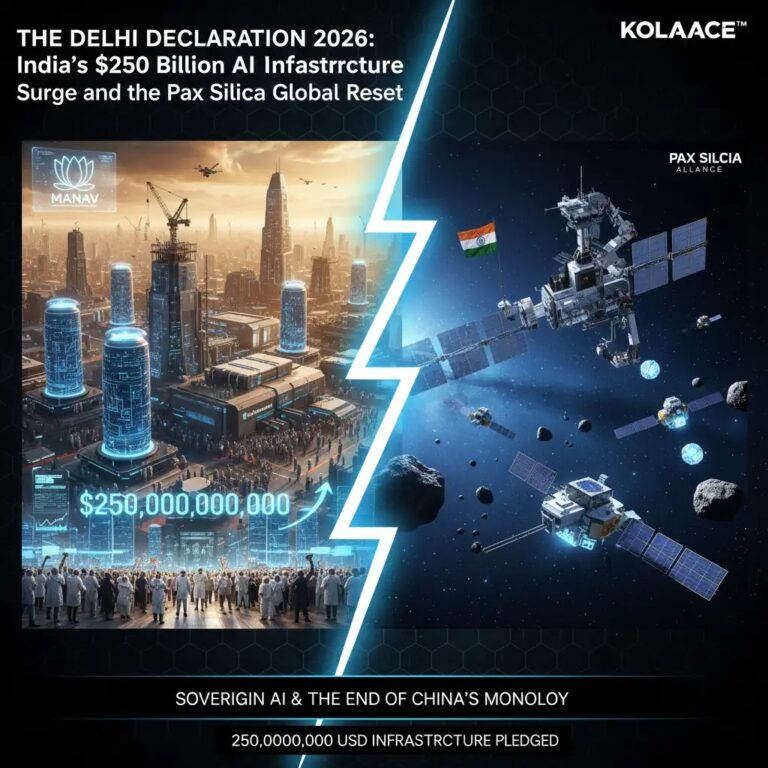
But while the headlines focus on the legal “bloody nose” for the White House, the KOLAACE™ analysis uncovers a deeper movement. Within hours of the ruling, President Trump pivoted, signing a new Executive Order for a 10% Global Tariff under Section 122. This move has triggered a massive capital flight from traditional retail and into the Pax Silica Alliance, particularly benefiting the India-US semiconductor corridor.
The Tariff Rebellion: Legal vs. Economic Reality
The Supreme Court’s decision, led by two of Trump’s own previous appointees turning against him, emphasizes the constitutional separation of powers. The court ruled that “National Emergency” laws cannot be used as a permanent tool for global trade restructuring. Trump’s reaction on Truth Social was swift, labeling the dissenting justices “FOOLS” and “LAPDOGS.”
What Changes for Global Trade Tonight?
- The India Exclusion: Under the new Section 122 order, India’s tariff rate has actually dropped from 25% to a temporary 10%, a massive win for New Delhi’s pharmaceutical and textile sectors.
- The Mexico Shield: Steel and aluminum parts from Mexico remain shielded under USMCA, preventing a total collapse of the North American automotive supply chain.
- Refund Chaos: Experts warn that up to 1,000 companies are now filing for tariff refunds, a process that could take years and cost the US Treasury billions.
Market Growth: The $450B Energy & AI Explosion
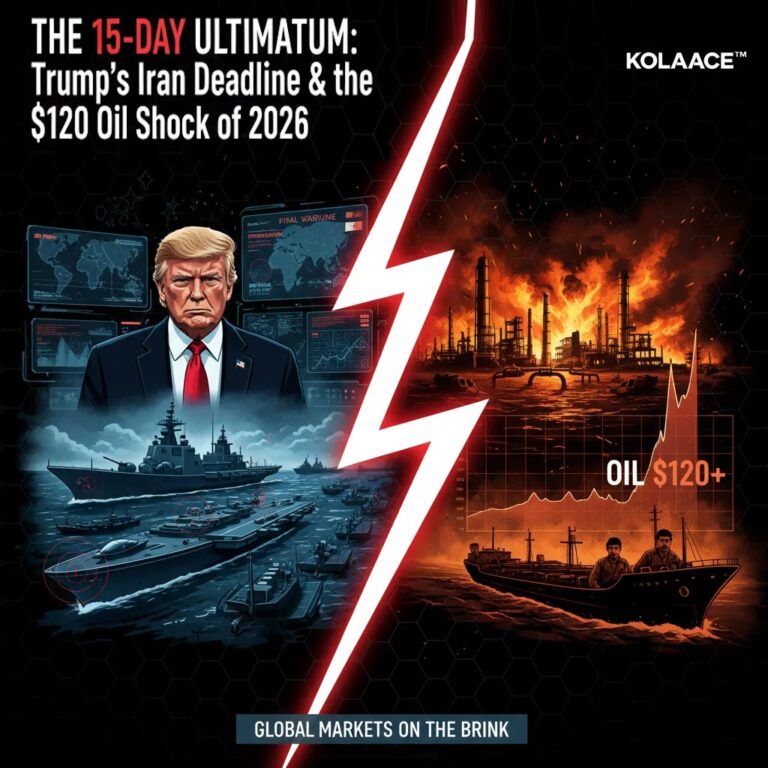
Despite the legal setbacks, investor sentiment in the Energy and Pax Silica sectors remains bullish. With the 15-day ultimatum to Iran still ticking, capital is flowing into secure energy hubs. In India, the groundbreaking of the HCL-Foxconn Semiconductor Plant today marks the first physical manifestation of this trillion-dollar decoupling from China.
Energy Sector Capital Inflow: Post-Ruling Projection (Billions USD)
*Capital flight accelerated following the Supreme Court’s trade authority restriction.*
The Global Winners and Losers of February 21
As the “US Armada” gathers in the Gulf of Oman, the intersection of military power and trade law creates a complex map for the 2026 global economy.
| Entity | Status | 2026 Outlook |
|---|---|---|
| India (Pax Silica Member) | WINNER | Tariffs dropped to 10%; Semiconductor boom (HCL-Foxconn). |
| Traditional Retailers | LOSER | Facing 10% global floor; Supply chain uncertainty. |
| Defense Sector | WINNER | Rising tensions with Iran drive high-tech military spending. |
AI Breakthrough: The Northeast Materials Database
Parallel to the trade war, a scientific revolution is occurring. AI researchers have just released a database of 67,000+ magnetic compounds. This AI-driven hunt for rare-earth-free materials is the “secret sauce” of the Pax Silica alliance, promising to break China’s monopoly on EV batteries and clean energy tech by 2027.
Conclusion: The New Era of Managed Trade
The Supreme Court ruling of February 21, 2026, marks the end of “Chaos Tariffs” and the beginning of “Managed Protectionism.” For the KOLAACE™ reader, the path is clear: The wealth is moving toward Sovereign AI, Rare-Earth alternatives, and Pax Silica partners. As the 15-day ultimatum to Iran looms, the intersection of law, war, and technology is where the next millions will be made.
Stay tuned as we track the “Tariff Refund” lawsuits and the rollout of the HCL-Foxconn project in Uttar Pradesh.