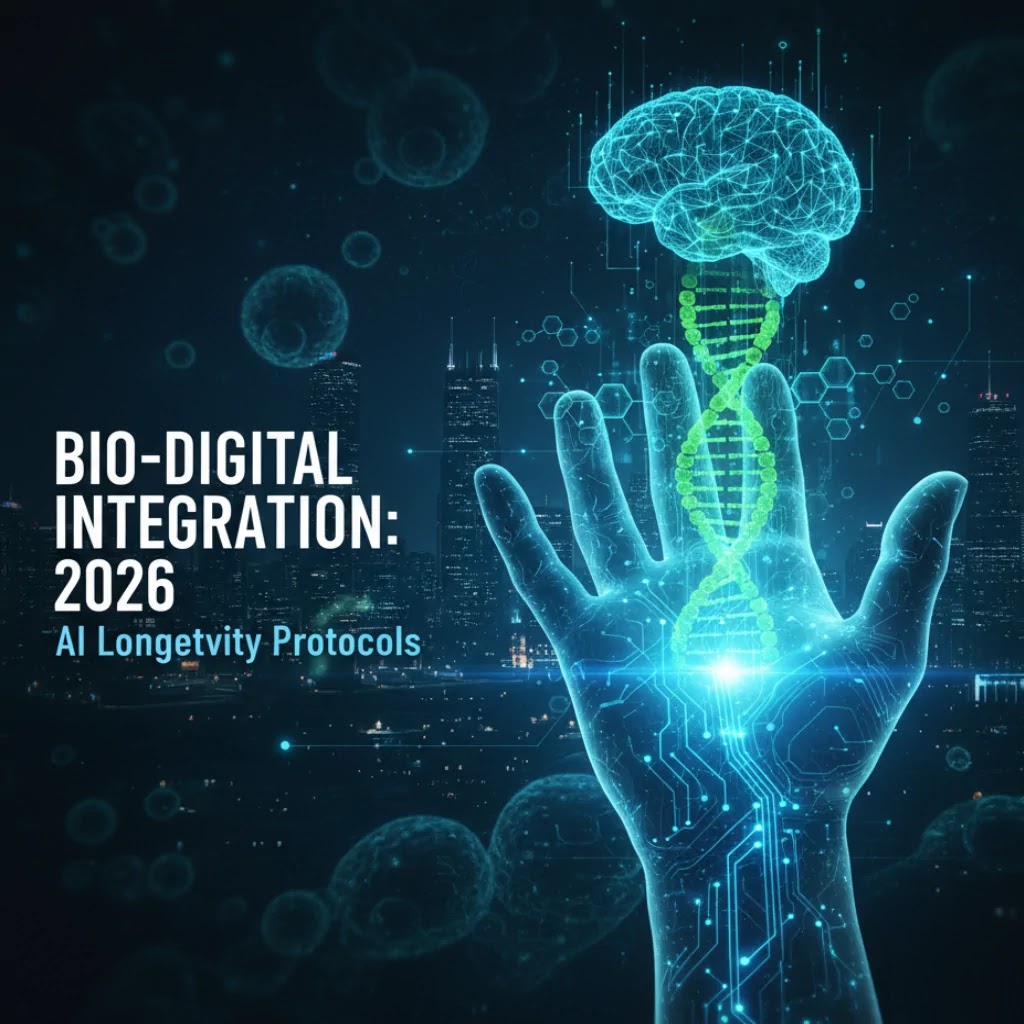
Most people try to improve health only after symptoms appear. By that time, damage has already started at a deeper level. In 2026, bio digital integration and AI longevity protocols are changing this approach completely. Instead of reacting late, these systems focus on early detection, continuous monitoring, and small daily corrections that prevent long term health decline.
This guide explains how modern AI driven longevity systems actually work, what practical benefits they offer, and where they still have limitations. If you are serious about long term health optimization, understanding this shift is important.
1. The Science Behind AI Longevity
AI longevity is based on a simple but powerful idea. Your body constantly produces signals such as heart rate variability, glucose response, sleep quality, and inflammation markers. Earlier, these signals were ignored because tracking them daily was not practical.
In 2026, AI systems process this data continuously and identify patterns that humans cannot easily notice. Instead of waiting for a disease diagnosis, these tools detect early deviations from normal function.
This approach is similar to predictive maintenance in engineering systems. When small issues are fixed early, large failures can be avoided.
2. How Real Time Monitoring Works
Modern systems combine wearable devices, lab data, and AI models to create a continuous feedback loop. One important concept here is the digital twin, which is a virtual model of your body.
This model allows simulation of different lifestyle choices. For example, the system can estimate how your body may respond to changes in diet, exercise, or sleep before you actually implement them.
- Sleep duration and recovery quality
- Glucose response to meals
- Heart rate and stress patterns
- Activity levels and movement trends
From experience, users who regularly review these insights tend to make better decisions without needing strict diet plans or rigid routines.
3. Step by Step Implementation
You do not need advanced lab access to start using basic bio digital integration. A simple structured approach works effectively.
- Start with a reliable wearable device to track sleep and activity
- Monitor your daily routine for one to two weeks without changes
- Identify patterns such as poor sleep or energy crashes
- Make one small change at a time, such as improving meal timing
- Track results and adjust based on feedback
This gradual approach is more sustainable compared to aggressive health plans. It reduces burnout and improves consistency.
4. Real World Use Cases
Bio digital systems are not limited to athletes or advanced users. They are already being used in practical scenarios.
- Busy professionals: Adjust meal timing and sleep patterns despite irregular schedules
- Fitness beginners: Understand how their body responds to exercise
- Preventive health users: Detect early warning signs before symptoms appear
For example, someone working long hours can use sleep data to fix fatigue issues without relying on stimulants. Small improvements like this compound over time.
5. Benefits and Limitations
- Early detection of health risks
- Personalized recommendations instead of generic advice
- Better long term consistency
- Reduced trial and error in diet and fitness
- Accuracy depends on data quality
- Devices can be expensive for some users
- Over reliance on data may reduce intuition
- Not a replacement for medical diagnosis
A balanced approach works best. Use data as guidance, not as a strict rulebook.
6. Ethics and Data Protection
As health data becomes more detailed, privacy becomes a serious concern. Bio digital systems must follow strong data protection standards.
Users should check how their data is stored, who can access it, and whether it is shared with third parties. Transparent systems are always a better choice.
Best Practices for Long Term Results
- Focus on consistency instead of perfection
- Review data weekly, not obsessively daily
- Combine data insights with basic healthy habits
- Avoid extreme interventions without expert advice
Conclusion
Bio digital integration and AI longevity protocols are not about extending life through complex technology alone. Their real value lies in helping people make better daily decisions.
When used correctly, these systems simplify health management, improve awareness, and reduce long term risks. The key is to use them as a support system, not as a replacement for basic healthy habits.
Frequently Asked Questions
What is bio digital integration in simple terms?
It means combining your biological data with AI tools to monitor and improve health continuously.
Do you need expensive devices to start?
No. Basic wearables can provide enough data to begin improving sleep, activity, and daily habits.
Is AI longevity safe?
It is generally safe when used for lifestyle optimization, but it should not replace professional medical advice.
How quickly can you see results?
Most people notice better energy and sleep patterns within a few weeks of consistent tracking and small adjustments.