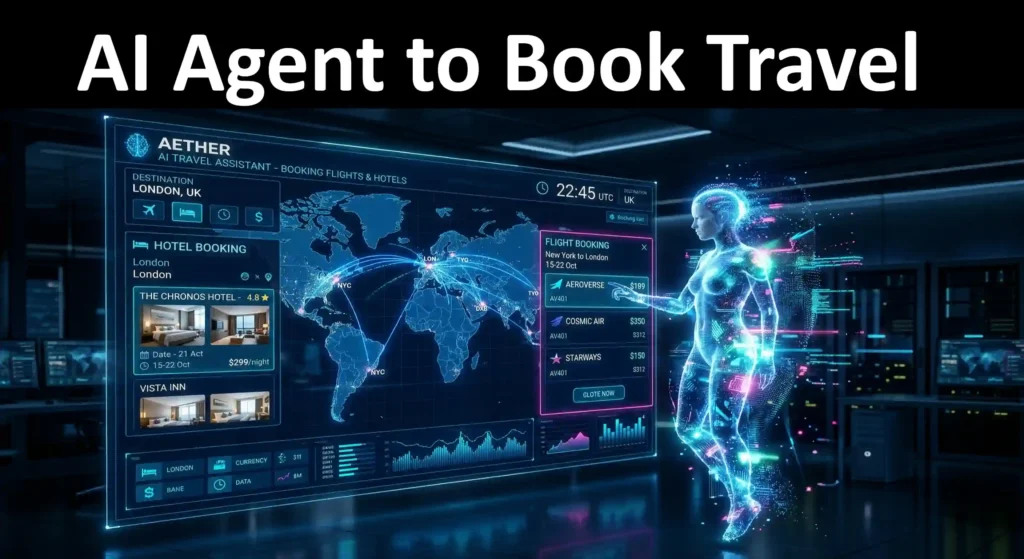
Travel planning used to involve dozens of browser tabs, confusing price comparisons, and long hours trying to coordinate flights, hotels, transport, and activities. In 2026, AI travel agents are changing that experience completely. Instead of manually searching every detail, travelers can now assign the entire process to intelligent AI systems that understand preferences, monitor prices, and complete bookings automatically.
Modern AI travel agents do far more than recommend destinations. They can compare airline prices in real time, avoid poor hotel reviews, manage travel schedules, optimize budgets, and even react to delays before you notice them.
For frequent travelers, digital nomads, business professionals, and families, setting up a reliable AI travel agent can save significant time while improving trip quality.
This guide explains how AI travel agents work in 2026, how to set one up correctly, the risks to understand, and the best practices for getting reliable results.
What Is an AI Travel Agent?
An AI travel agent is an intelligent software system designed to plan, organize, and sometimes fully execute travel bookings based on user instructions and preferences.
Unlike traditional booking websites, these systems are task-oriented. Instead of searching manually, users simply provide goals such as:
- Trip destination
- Budget range
- Travel dates
- Hotel preferences
- Food preferences
- Flight comfort requirements
- Activity interests
The AI agent then analyzes thousands of options automatically and creates an optimized travel plan.
Advanced systems in 2026 can also:
- Book flights and hotels automatically
- Track fare reductions
- Suggest itinerary changes
- Handle cancellations
- Manage travel calendars
- Coordinate transport schedules
Many travelers now use AI travel agents as personal digital assistants rather than simple booking tools.
Why AI Travel Planning Is Growing Rapidly in 2026
The travel industry has become more complex over the past few years. Pricing changes quickly, flight disruptions are common, and travelers expect highly personalized experiences.
AI travel systems solve several major problems at once.
Massive Time Savings
Planning a detailed international trip manually can take many hours. AI agents can generate optimized travel plans within minutes.
Better Personalization
Traditional booking sites mainly filter results by price and rating. AI agents understand behavioral preferences.
For example, the system may learn that you:
- Prefer quieter hotels
- Avoid overnight layovers
- Like gym access
- Need vegetarian meal options
- Prefer flexible cancellation policies
Continuous Price Monitoring
Modern AI systems continuously track pricing changes and can recommend rebooking opportunities if fares decrease.
Integrated Smart Ecosystems
Travel agents in 2026 often connect with calendars, digital wallets, ride-sharing apps, smart home devices, and productivity systems.
How AI Travel Agents Work Behind the Scenes
Most AI travel systems operate through a combination of:
- Large language models
- Travel APIs
- Machine learning systems
- Payment integrations
- User behavior analysis
Instead of simply displaying search results, the AI processes multiple layers of information simultaneously.
A typical workflow looks like this:
- User submits a travel request
- AI analyzes budget, timing, and preferences
- System compares airlines and hotels
- It filters poor options automatically
- The AI builds a complete itinerary
- Payment approval is requested
- Bookings are completed automatically
More advanced systems also respond dynamically to travel disruptions. If a flight is delayed, the AI may automatically update airport transfers or hotel check-in times.
Step-by-Step Guide to Setting Up an AI Travel Agent
Step 1: Choose the Right AI Travel Platform
Start by selecting a platform that supports:
- Secure payment systems
- Real booking capability
- Preference learning
- Travel calendar integration
- Multi-device access
Some AI assistants are integrated directly into smartphones, while others operate as dedicated travel platforms.
For business travelers, systems with itinerary synchronization and expense tracking are usually more practical.
Step 2: Connect Your Travel Accounts
Link all major travel accounts:
- Airline loyalty programs
- Hotel memberships
- Travel insurance accounts
- Passport details
- Visa information
This helps the AI optimize benefits and avoid repetitive data entry.
Step 3: Define Travel Preferences Carefully
This is the most important setup stage.
The more specific your preferences are, the better the AI performs.
Useful preference settings include:
- Preferred airlines
- Budget limits
- Hotel star ratings
- Seat selection preferences
- Food requirements
- Minimum layover duration
- Preferred travel pace
For example, many travelers from India prioritize affordable flights but prefer spending more on hotel safety and location. Clear instructions help the AI balance costs properly.
Step 4: Configure Payment Security
AI travel agents often require payment permissions.
For safety:
- Use virtual cards when possible
- Set transaction approval limits
- Enable biometric verification
- Require manual approval for large expenses
Experienced travelers usually avoid giving unrestricted payment access during the initial setup phase.
Step 5: Run a Test Booking
Before trusting the system fully, test it with a small domestic trip or hotel reservation.
Review:
- Pricing accuracy
- Itinerary quality
- Hotel selection logic
- Flight timing choices
- Budget handling
This helps identify weak preference settings early.
Different Types of AI Travel Agents
Fully Autonomous AI Agents
These systems handle planning and booking automatically with minimal user involvement.
Best for:
- Frequent business travelers
- Routine domestic travel
- Users comfortable with automation
Human-in-the-Loop AI Agents
These provide recommendations while keeping the final decision under user control.
Best for:
- Family vacations
- International trips
- Luxury travel planning
Corporate AI Travel Systems
Businesses use these to automate employee bookings, expense approvals, and travel policy compliance.
Specialized Niche Travel Agents
Some AI agents specialize in:
- Adventure tourism
- Luxury travel
- Backpacking
- Wellness retreats
- Digital nomad travel
Real-World Use Cases of AI Travel Agents
Business Travel Optimization
A consultant traveling across multiple cities can use an AI system to:
- Schedule flights around meetings
- Optimize hotel proximity
- Reduce travel downtime
- Track reimbursements automatically
Family Vacation Coordination
AI travel systems are especially useful for families with different preferences.
Parents may prioritize convenience and safety while children want entertainment options. The AI balances both efficiently.
Budget Backpacking
Budget travelers can instruct AI systems to maximize experiences while minimizing transportation and accommodation costs.
Wellness and Lifestyle Travel
Some travelers prioritize gyms, healthy meals, quiet hotels, or meditation spaces. AI systems now include these behavioral factors during planning.
AI Travel Agent vs Traditional Travel Booking
| Feature | Traditional Booking Platforms | AI Travel Agents in 2026 |
|---|---|---|
| Planning Speed | Manual research required | Automated planning within minutes |
| Personalization | Basic filters | Behavior-based customization |
| Booking Automation | User completes manually | AI executes bookings |
| Disruption Handling | Manual customer support | Automatic itinerary adjustments |
| Price Monitoring | Static pricing | Continuous fare tracking |
Advantages of Using AI Travel Agents
- Faster trip planning: Saves significant research time.
- Improved personalization: Recommendations improve over time.
- Better budget management: AI optimizes spending automatically.
- Reduced travel stress: Automated coordination simplifies complex trips.
- Smart disruption handling: Some systems react instantly to delays or cancellations.
Risks and Challenges You Should Understand
Data Privacy Concerns
AI travel systems store personal data such as:
- Travel habits
- Payment details
- Location history
- Spending behavior
Always use trusted platforms with transparent security policies.
Incorrect AI Interpretation
AI systems may occasionally misunderstand vague instructions.
For example, requesting “cheap hotels near downtown” without specifying safety standards can lead to poor recommendations.
Over-Automation Risks
Some travelers rely too heavily on automation without reviewing final details carefully.
Human verification remains important for international travel and visa-sensitive trips.
Platform Dependency
If the system experiences API failures or booking interruptions, travel coordination may be affected temporarily.
Best Practices for Managing Your AI Travel Agent
- Be specific with instructions: Clear preferences improve recommendation quality.
- Review important bookings manually: Especially international travel.
- Update preferences regularly: Travel habits often change over time.
- Use spending limits: Protect payment systems with approval controls.
- Keep backup documents offline: Important for emergencies.
Experienced users treat AI travel systems as intelligent assistants rather than fully independent decision-makers.
Who Should Use AI Travel Agents?
AI travel planning works especially well for:
- Frequent flyers
- Business professionals
- Families managing complex trips
- Remote workers
- Digital nomads
- Travel content creators
However, travelers who enjoy manually researching every aspect of a trip may prefer using AI only for partial assistance.
Future Trends in AI Travel Beyond 2026
Travel automation is still evolving rapidly.
Several developments are expected to become more common:
- Real-time multilingual voice assistants
- Predictive travel suggestions based on work patterns
- AI-generated immersive travel previews
- Smarter airport navigation systems
- Emotion-aware recommendation systems
Future AI travel systems may eventually coordinate nearly every stage of a journey automatically, from airport transport to local experiences.
Conclusion
AI travel agents are becoming one of the most practical applications of modern artificial intelligence. They reduce planning time, improve travel personalization, and simplify complex booking decisions.
The best results come from setting up your preferences carefully, reviewing automated actions responsibly, and using secure payment controls.
In 2026, travel planning is shifting from manual searching to intelligent coordination. Travelers who learn how to use AI systems effectively can save time, reduce stress, and create smoother travel experiences with far less effort.
Frequently Asked Questions
Can AI travel agents fully book trips automatically?
Yes. Many modern AI travel systems can search, compare, and complete bookings automatically after receiving user approval.
Are AI travel agents safe to use?
They can be safe if you use trusted platforms, enable security protections, and avoid giving unrestricted payment access.
Do AI travel agents save money?
In many cases, yes. Continuous price tracking and optimized planning can reduce unnecessary travel costs.
Can AI travel agents handle flight disruptions?
Advanced systems can automatically suggest or initiate alternative bookings when delays or cancellations occur.
Should beginners rely fully on AI travel automation?
Beginners should start with supervised usage and review bookings carefully until they understand how the system behaves.