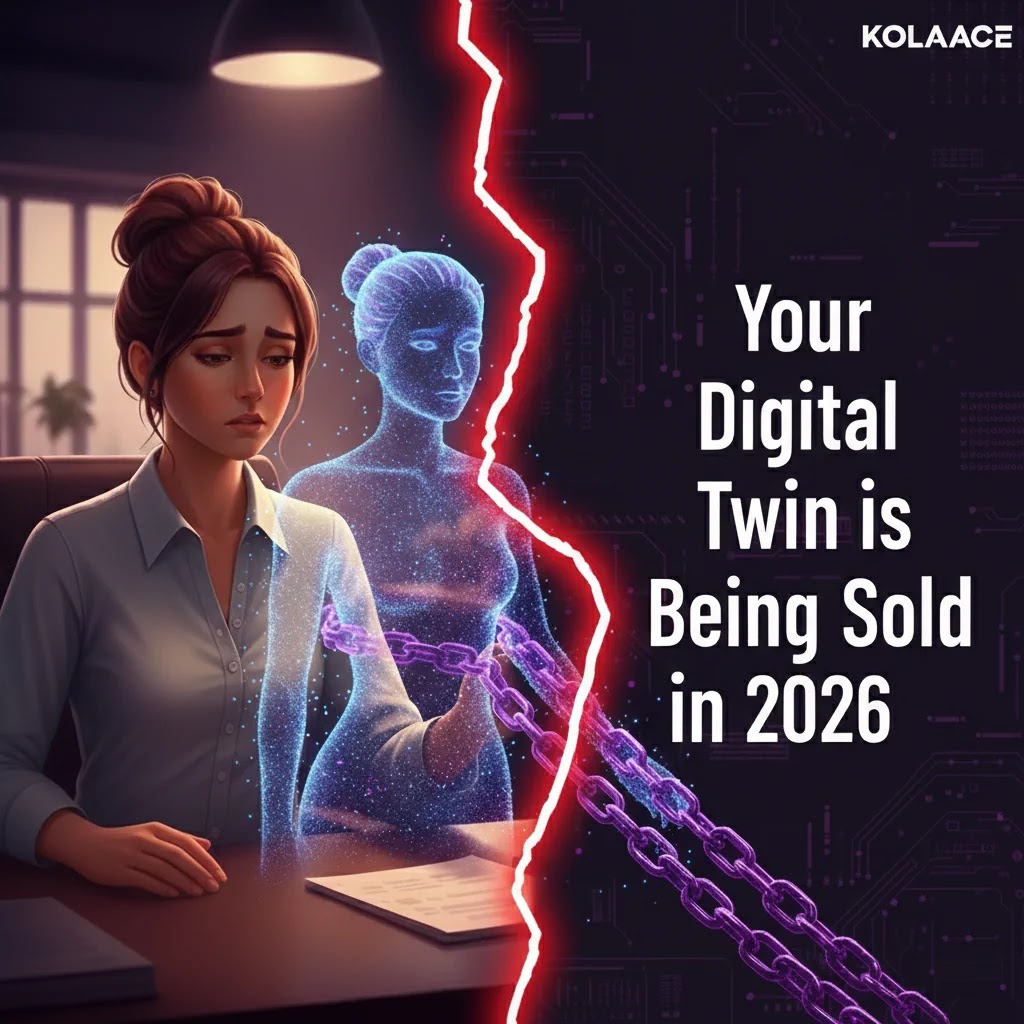
Most people still think privacy is about hiding passwords or avoiding suspicious links. That belief is outdated. In 2026, your data is not just collected. It is modeled, analyzed, and packaged into something far more powerful, your Digital Twin.
This digital version of you does not just store information. It predicts your decisions, your interests, and even your future actions. Companies do not need to ask what you want anymore. They already have a working model that answers that question with surprising accuracy.
The uncomfortable reality is simple. Your Digital Twin is already being used in ways you may not fully understand. The real question is not whether this is happening. The real question is whether you are controlling it or someone else is.
What is a Digital Twin and Why It Matters in 2026
A Digital Twin is a behavioral model built using your online and offline data. It combines patterns from your browsing history, financial activity, communication style, and even biometric signals.
Unlike basic data tracking, this model is dynamic. It keeps learning and updating itself. Over time, it becomes accurate enough to simulate how you would respond in different situations.
How This Looks in Real Life
From practical observation, here is how Digital Twins are already being used:
- Ecommerce platforms adjust prices based on your buying behavior
- Apps predict when you are likely to spend money
- Content platforms decide what you will watch next before you search
This is not just personalization. It is prediction driven influence.
How Your Digital Twin is Built Step by Step
1. Data Collection Layer
Every interaction contributes to your profile. This includes:
- Search history and browsing behavior
- Purchase timing and frequency
- App usage patterns
2. Pattern Recognition
AI systems analyze this data to identify habits. For example, how long you take to make decisions or what triggers your interest.
3. Behavioral Prediction
Once patterns are identified, the system begins forecasting future actions. This is where your Digital Twin becomes valuable.
4. Commercial Use
These models are used for targeted advertising, product recommendations, and even pricing strategies.
The Personal Data Economy Explained
In 2026, data is not just information. It is a tradable asset. Companies are investing heavily in behavioral models because they directly impact revenue.
Estimated Value of Behavioral Profiles
Behavioral data is becoming a measurable financial asset.
From an analytical perspective, the more accurate your Digital Twin becomes, the more valuable it is to businesses. That is why data collection is increasing, not decreasing.
Real World Risks You Should Not Ignore
Price Manipulation
Different users may see different prices for the same product based on their purchasing behavior.
Behavioral Influence
Content recommendations can subtly influence opinions and decisions over time.
Data Exploitation
Your behavioral model may be used by third parties without direct awareness.
How to Take Back Control of Your Digital Identity
Step 1: Reduce Data Exposure
Limit unnecessary permissions on apps and services. Only share what is required.
Step 2: Use Private Tools
Choose platforms that prioritize user privacy and data ownership.
Step 3: Understand Your Data Value
Recognize that your data has economic value. Treat it as an asset, not just information.
Step 4: Monitor Your Digital Footprint
Regularly review activity logs and permissions across platforms.
Pros and Cons of the Digital Twin Era
Advantages
- Better personalization and convenience
- Faster decision making
- Improved user experience in apps and services
Disadvantages
- Loss of control over personal data
- Potential misuse of behavioral insights
- Reduced privacy over time
Who Should Take This Seriously
- Business owners handling customer data
- Content creators building online presence
- Professionals using digital platforms daily
Ignoring this shift does not stop it. It only reduces your control over it.
Best Practices for Staying Secure
- Use strong authentication methods
- Avoid sharing sensitive information unnecessarily
- Stay informed about privacy policies
- Use encryption where possible
From experience, awareness is the first level of protection. Most risks exist because users are unaware of how data is being used.
Final Takeaway
Privacy is not disappearing. It is changing form. Instead of trying to hide completely, the smarter approach is to understand and manage your Digital Twin.
The future belongs to those who treat their data as an asset and actively control how it is used.
Frequently Asked Questions