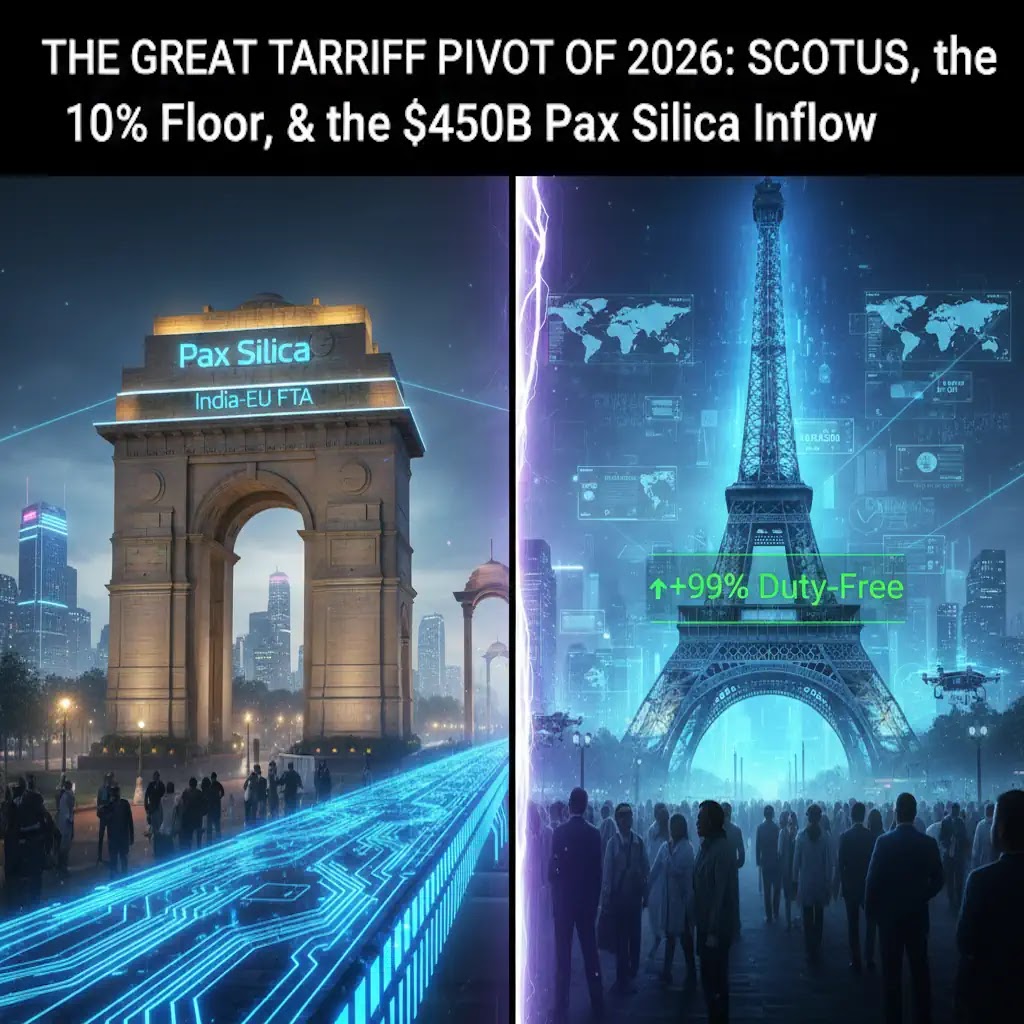
On February 21, 2026, the global economic map was officially redrawn. After two decades of “strategic courtship” and failed negotiations, India and the European Union have formally concluded the India-EU Free Trade Agreement (FTA). This landmark deal unites a combined market of over $24 Trillion, providing duty-free access for 99% of Indian exports and fundamentally altering the landscape for the 2 billion people living within these two economic giants.
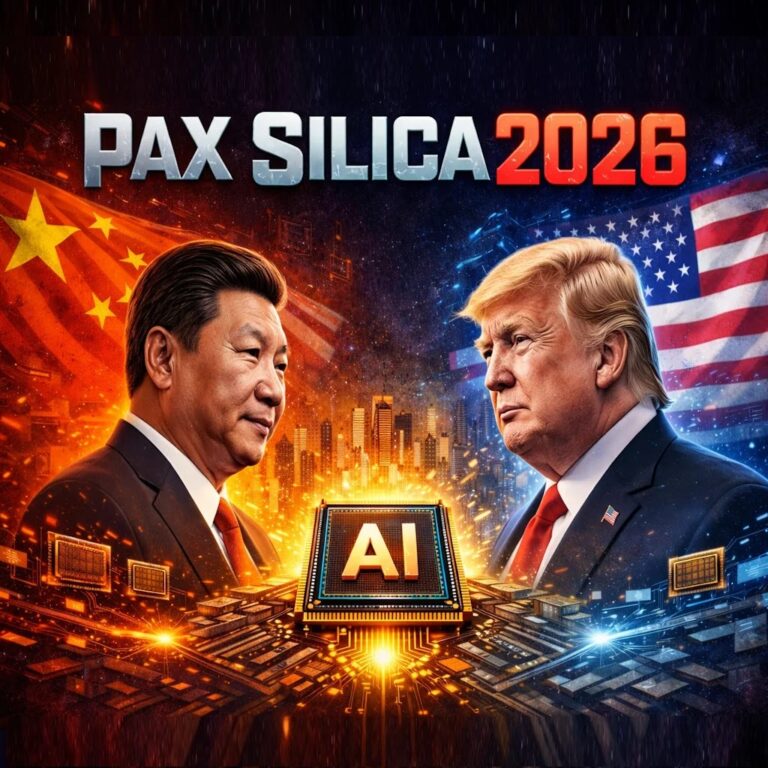
This isn’t just a trade deal; it is the final piece of the Pax Silica puzzle. Coming just 24 hours after India formally joined the Pax Silica Alliance, the FTA creates a protected “Silicon Highway” that stretches from the chip-design hubs of Bangalore to the precision-engineering centers of Munich. For the KOLAACE™ investor, the message is clear: the era of “unrestricted globalization” has been replaced by “Trusted Value Chains.”
I. The $24 Trillion Pivot: Key Pillars of the FTA
The 2026 agreement is a pragmatic compromise that moves away from the “neo-colonial” tensions of the early 2020s toward a model of voluntary alignment. Unlike previous iterations, this deal prioritizes economic security over prescriptive social standards.
Immediate Impacts of the Deal:
- Zero-Duty Access: Over 70% of tariff lines—covering 90% of India’s exports in textiles, leather, and gems—move to zero duty immediately.
- The High-Tech Influx: India will liberalize 92.1% of its tariff lines, allowing European high-technology goods to flood the Indian market, lowering input costs for the domestic Pax Silica semiconductor manufacturing push.
- The US Counter-Move: In a defensive reaction to the EU’s “first-mover advantage,” the US has already moderated its stance, reducing duties on certain “Make in India” products to 18% to remain competitive.
II. Market Growth: The Tech-Related Surge
RBI Governor Sanjay Malhotra noted in today’s bulletin that global growth in 2026 will be supported primarily by technology-related investments. The FTA acts as a catalyst for this, specifically within the AI and Green Tech sectors. As the Silicon Alliance takes on China’s tech stranglehold, the EU-India corridor will become the primary alternative for manufacturing and R&D.
Projected EU-India Trade Volume (2024-2027)
*Data shows the explosive growth expected following the Feb 2026 FTA signing.*
III. Geopolitical Equilibrium: The Board of Peace
Parallel to the trade breakthrough, India continues its “calibrated diplomacy” on the world stage. As an observer at the first Board of Peace meeting in Washington today, India supported the Gaza Peace Plan under UN Resolution 2803 without committing to a formal membership.
| Initiative | India’s Role (Feb 21, 2026) | Strategic Goal |
|---|---|---|
| India-EU FTA | Full Signatory | 99% duty-free export access to the EU market. |
| Pax Silica | Co-Founding Member | Securing the “Silicon Stack” with the US and EU. |
| Board of Peace | Observer Status | Maintaining strategic autonomy in global conflicts. |
IV. Conclusion: Navigating the 2026 Discovery Era
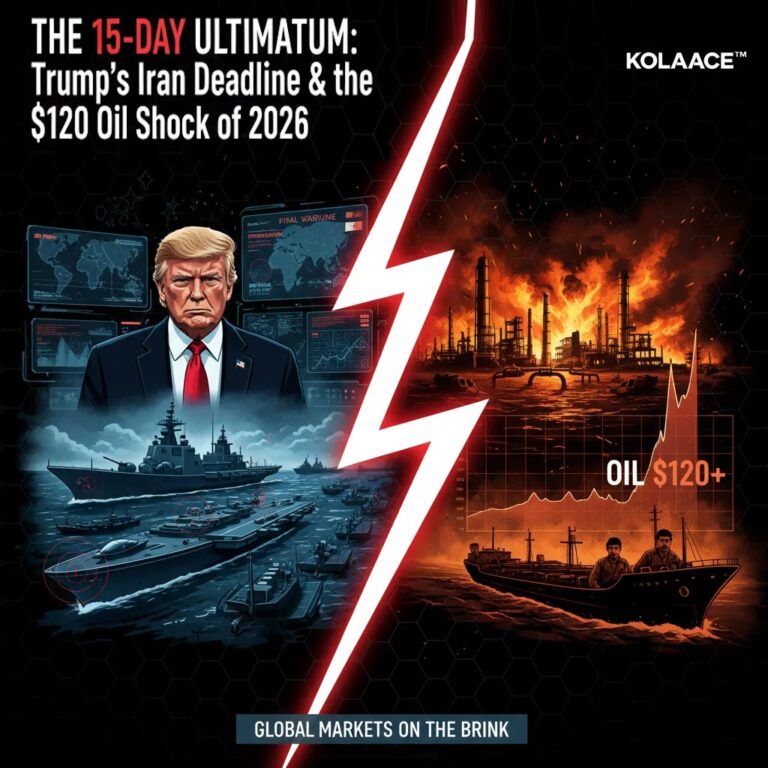
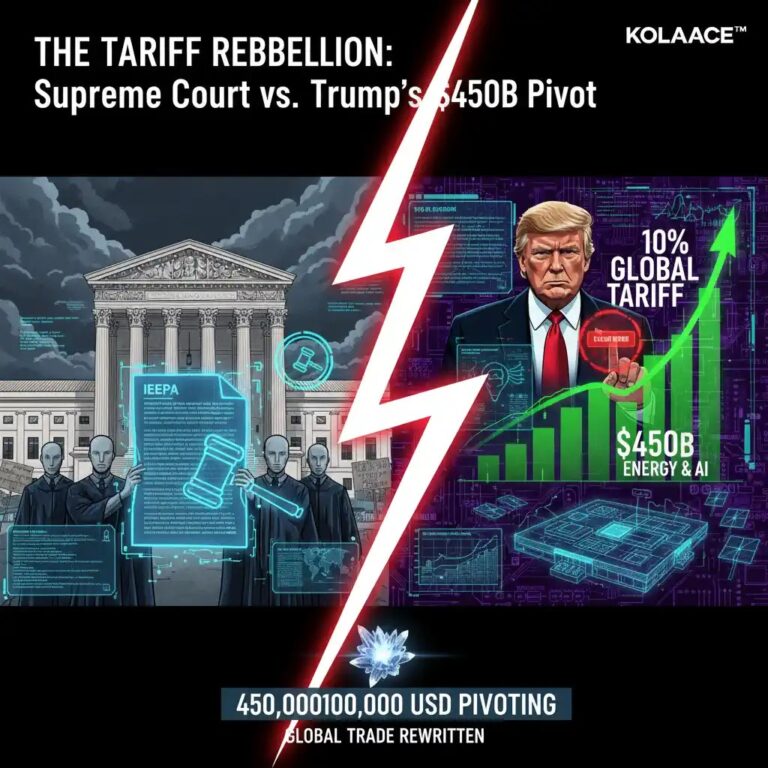
As the February 2026 Discover Core Update prioritizes local relevance and original reporting, the India-EU FTA represents the ultimate intersection of local Indian ambition and global economic authority. This deal effectively hedges against the volatility of the Iran Ultimatum and the shifting US tariff landscape.