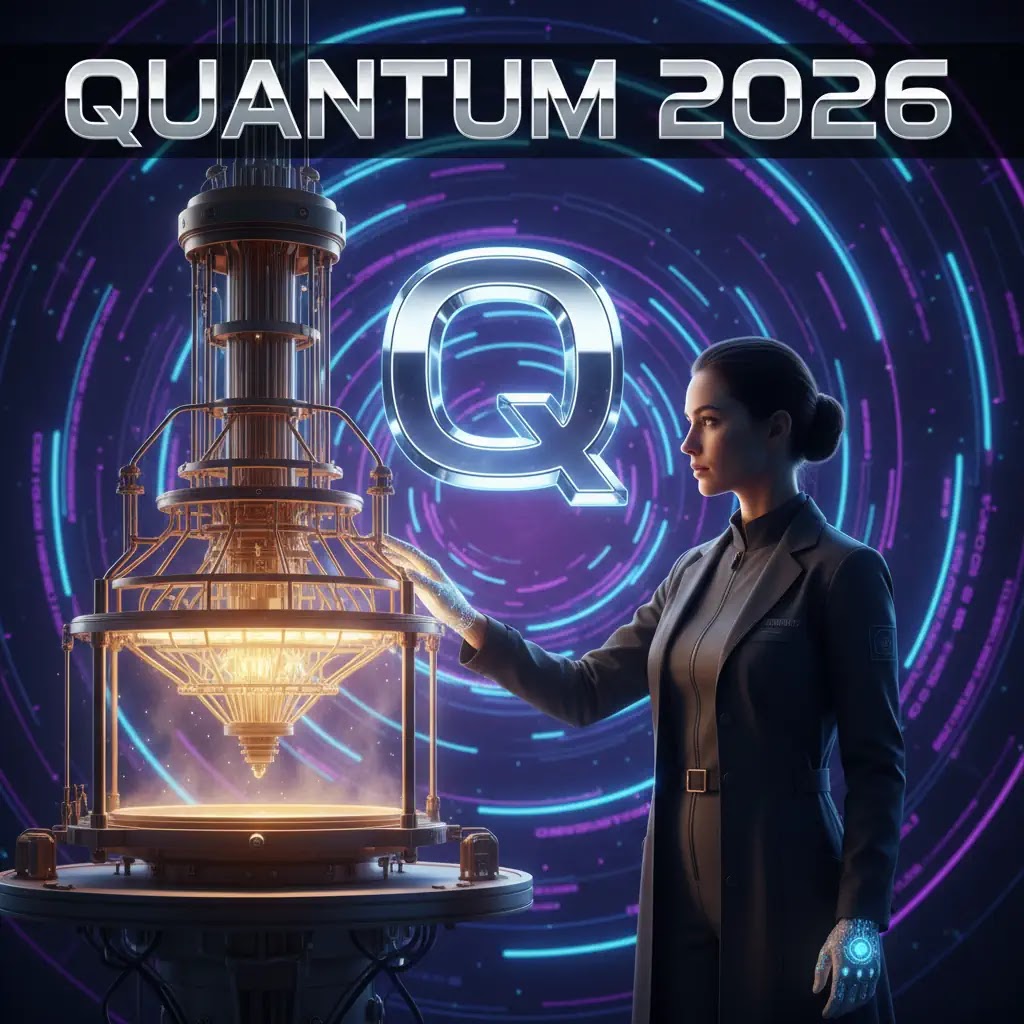
By February 2026, we have officially moved past the era of “Quantum Supremacy” (mere lab demonstrations) into the era of Quantum Utility. Organizations are no longer asking if quantum works, but how to integrate it into their Hybrid Classical-Quantum workflows.
At KOLAACE™, we monitor these shifts because Computational Speed is a competitive moat. In 2026, a quantum-optimized supply chain or a quantum-secure database isn’t just a “nice-to-have”—it’s the baseline for surviving the Quantum Threat to traditional encryption.
I. The Three Pillars of Quantum Utility 2026
Quantum computers excel at three specific types of “Hard Problems” that leave classical supercomputers stalled for centuries:
Quantum Computing Market Value Projections (2024–2030)
*Compound Annual Growth Rate (CAGR) estimated at ~41.8%.*
II. Industry Disruptions: Real-World Use Cases
The transition from “Bits” to “Qubits” is transforming three major sectors in early 2026:
| Sector | The “Unsolvable” Problem | 2026 Quantum Solution |
|---|---|---|
| Finance (BFSI) | Real-time risk modeling across millions of assets. | Portfolio optimization algorithms that reduce risk by 20% in seconds. |
| Healthcare | Simulating complex molecular interactions for drug discovery. | Accelerating the R&D cycle from 10 years to under 24 months. |
| Logistics | Global supply chain route optimization with billions of variables. | 15-30% efficiency gains in fuel and time through quantum annealing. |
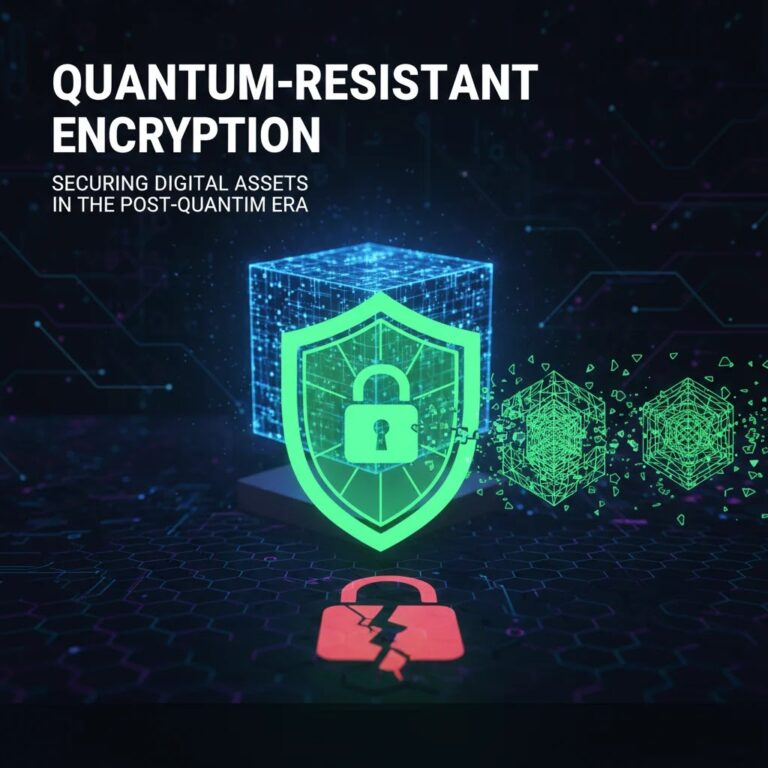
III. The Cybersecurity Crisis: Post-Quantum Cryptography (PQC)
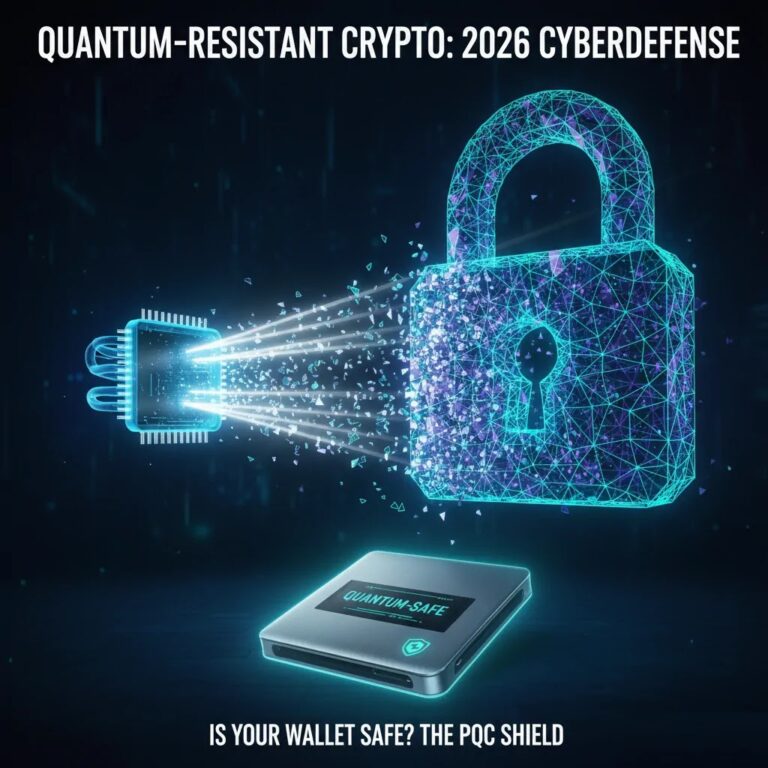
Quantum computers are capable of breaking the RSA and ECC encryption that protects 90% of the internet today. In 2026, the “Harvest Now, Decrypt Later” (HNDL) threat has made Post-Quantum Cryptography a mandatory security standard.
- NIST Standards: Full adoption of quantum-resistant algorithms is now required for all government-adjacent infrastructure.
- Crypto-Agility: The ability to swap encryption methods in real-time without rewriting entire codebases is the primary goal of 2026 CTOs.
- EU Quantum Act: New 2026 regulations forcing member states to secure critical infrastructure by year-end.
IV. Quantum-as-a-Service (QaaS)
You don’t need to build a $50M cryo-fridge in your office. In 2026, Cloud-based Quantum Access via IBM, AWS, and Google has democratized this power for startups.
- Quantum AI: Using quantum hardware to speed up the massive linear algebra required for training deep learning models like those used in our VR Office systems.
- Room-Temperature Breakthroughs: Photonic-based systems are starting to eliminate the need for absolute-zero cooling, moving quantum closer to the “Edge”.
- Quantum Sensors: Already being deployed in 2026 for ultra-precise navigation and mineral exploration where GPS fails.
Looking to secure your data before the “Quantum Day”? Start with our Cybersecurity 2026 Guide or learn how these chips power the Next Generation of Gaming.