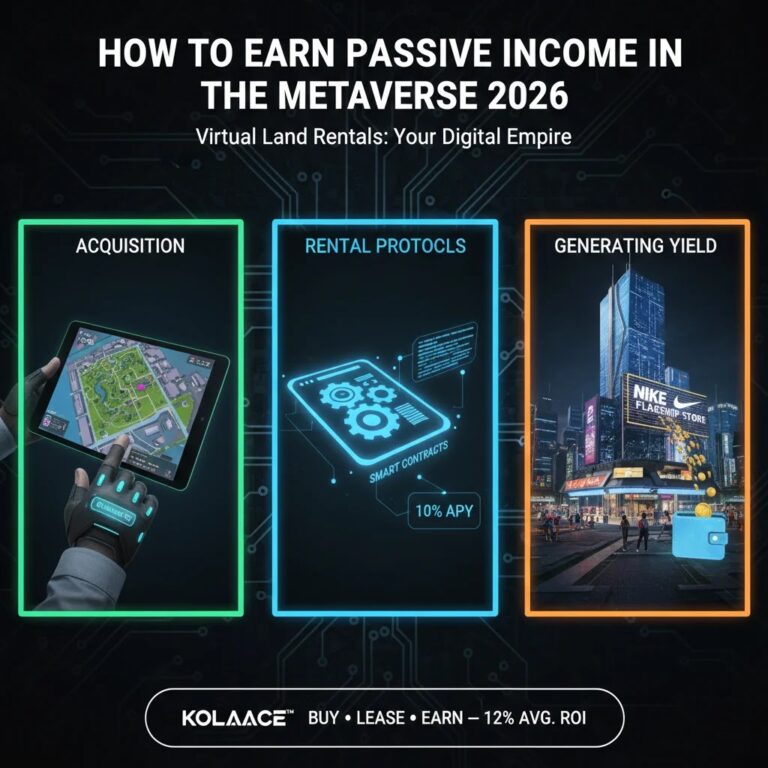
Most people entering virtual real estate in 2026 make the same mistake. They buy digital land based on hype, not utility. Months later, the asset sits unused, with no traffic, no income, and no clear exit strategy.
The reality has changed. The metaverse is no longer about owning space. It is about using space to generate value. Businesses, creators, and even small local brands are building digital storefronts, hosting events, and running services inside these environments.
If you understand how platforms, AI tools, and user behavior connect, virtual real estate can become a real digital asset class. This guide breaks down what actually works in 2026, based on current platform activity, monetization patterns, and practical use cases.
I. What Virtual Real Estate Means in 2026
Virtual real estate refers to owning or leasing digital land inside metaverse platforms. But unlike earlier years, value now comes from functionality and traffic, not just scarcity.
Key shifts in 2026:
- From speculation to utility: Land is used for business operations, not just resale.
- AI-managed environments: Automated agents run stores, customer support, and marketing.
- Hybrid income models: Owners combine ads, subscriptions, and digital product sales.
Think of it like owning a shop in a busy market versus an empty road. The platform and location decide your potential.
II. Top Metaverse Platforms to Watch in 2026
Not all platforms offer the same opportunity. The best ones combine active users, creator tools, and business integration.
- Decentraland: Strong for events, digital stores, and community experiences.
- The Sandbox: Popular with brands and gaming-based monetization models.
- Somnium Space: High immersion, suitable for premium experiences and VR users.
- Roblox: Massive user base, ideal for creators targeting younger audiences.
- Bloktopia: Structured vertical real estate with defined zones for business.
- Voxels: Simple building system, widely used for art galleries and small businesses.
Practical insight: Platforms with active daily users and creator tools perform better than those focused only on land sales.
Metaverse Adoption Growth (2024 to 2027)
III. Step by Step Strategy to Invest Smartly
1. Choose the Right Platform
Look for user activity, creator tools, and monetization options. Avoid platforms with low engagement.
2. Analyze Location Inside the Platform
Just like physical real estate, location matters. Areas near events, popular hubs, or brand spaces attract more visitors.
3. Define a Use Case Before Buying
- Virtual store
- Event space
- Digital service hub
- Advertising space
4. Use AI Tools for Automation
AI agents can handle customer queries, sales funnels, and promotions without manual effort.
5. Focus on Monetization Early
Do not wait for price appreciation. Build income streams from day one.
IV. Real World Use Cases
Small Business Expansion
A local clothing brand can open a virtual showroom and sell digital versions of products while promoting real items.
Freelancer Portfolio Spaces
Designers and developers showcase work in interactive environments instead of static websites.
Event Hosting
Workshops, product launches, and community meetups are now held inside virtual spaces with global reach.
Education and Training
Institutes create immersive classrooms and charge for premium courses.
V. Pros and Cons of Virtual Real Estate
Advantages
- Low entry cost compared to physical property
- Global audience reach
- Multiple income streams
- Scalable using automation
Limitations
- Platform dependency risk
- Market volatility
- Requires active development to generate income
- Learning curve for beginners
VI. Who Should Invest and Who Should Avoid
Best suited for:
- Digital creators and freelancers
- Small business owners exploring online expansion
- Tech-savvy investors
Should avoid if:
- You expect quick profits without effort
- You are not ready to build or manage digital assets
- You do not understand platform risks
VII. Best Practices for 2026
- Focus on utility, not hype
- Start small and test concepts
- Use AI tools to automate operations
- Track user behavior and optimize regularly
- Diversify across platforms instead of relying on one
Conclusion
Virtual real estate in 2026 is no longer an experimental idea. It is a working digital economy. The difference between success and failure depends on how you use the asset, not just owning it.
If you approach it like a business, focus on value creation, and use modern tools effectively, it can become a strong digital income stream. If you treat it like speculation, results will be unpredictable.
Frequently Asked Questions