For nearly two decades, Indian exporters and European buyers operated in a fragmented system. High tariffs, regulatory friction, and unpredictable policy shifts made cross-border business expensive and slow. A textile exporter in Tiruppur or a machine tools supplier in Pune often had to price in uncertainty before even securing an order.
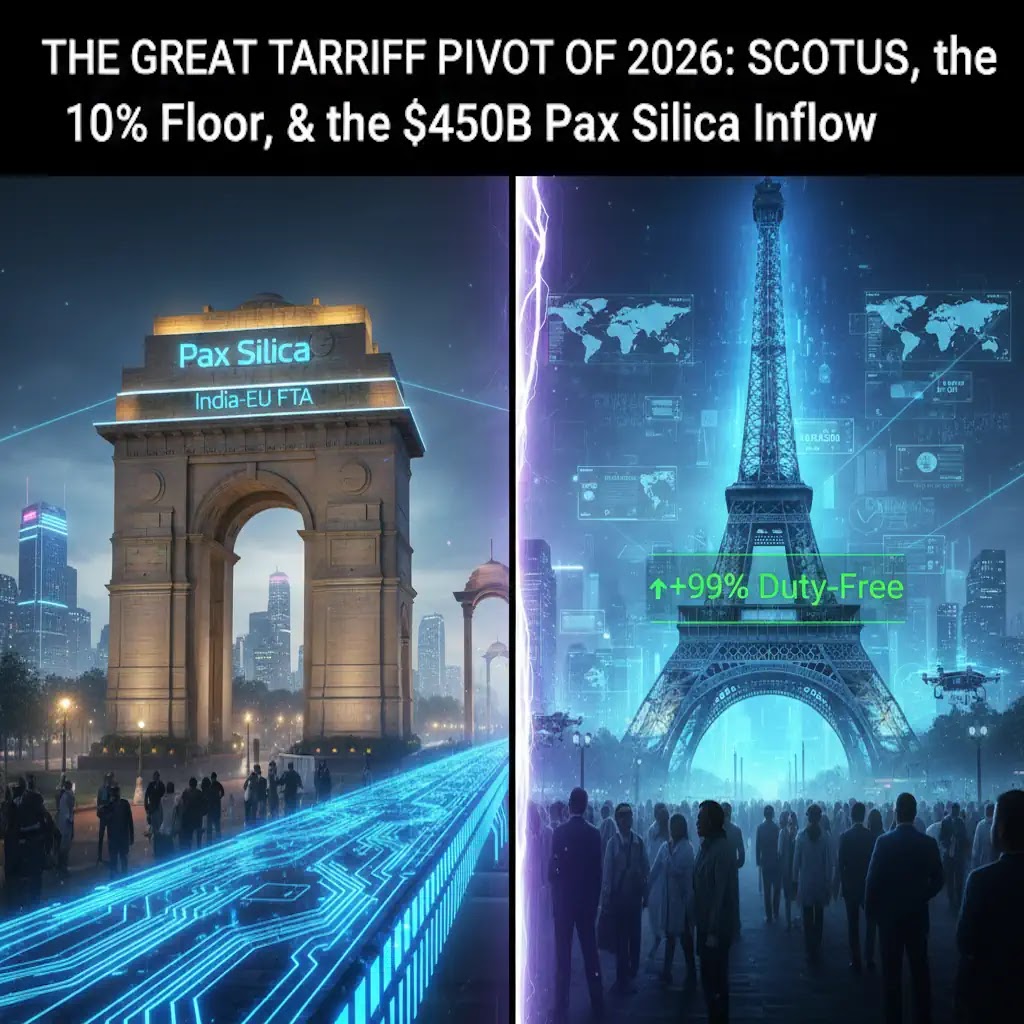
That friction has now been fundamentally reduced. The 2026 India EU Free Trade Agreement is not just another trade deal. It is a structural reset of how goods, services, and technology move between two of the world’s largest economic regions. With a combined market exceeding $24 trillion, this agreement creates a new layer of predictable trade that directly impacts manufacturers, startups, and investors.
For serious operators, this is not about headlines. It is about margins, supply chains, and long-term positioning in a world that is shifting toward trusted trade networks.
I. What the India EU FTA Actually Changes
The agreement focuses on one core idea. Reduce friction where it matters most and allow both sides to scale trade efficiently. Unlike earlier attempts, this version avoids overcomplication and focuses on economic practicality.
Key Structural Changes:
- Tariff Elimination: A large portion of Indian exports such as textiles, leather goods, pharmaceuticals, and engineering products now face near zero duty in EU markets.
- Technology Access: European machinery, precision tools, and semiconductor equipment become more affordable for Indian manufacturers.
- Regulatory Alignment: Simplified compliance processes reduce delays in customs clearance and certification.
- Services Expansion: IT, consulting, and digital services from India gain easier entry into European markets.
In simple terms, the deal reduces both cost and uncertainty. That combination is what drives real economic activity.
II. Step by Step: How Businesses Can Use This FTA
Many businesses read about FTAs but fail to act. The real opportunity lies in execution. Based on practical trade analysis, here is how companies can leverage this agreement effectively.
Step 1: Identify High Margin Export Categories
Focus on products where tariff removal directly improves competitiveness. Examples include:
- Garments and textiles
- Auto components
- Specialty chemicals
- Processed food products
Step 2: Recalculate Pricing Strategy
Earlier pricing included import duties and risk buffers. Now businesses can:
- Offer more competitive pricing in EU markets
- Increase margins without losing demand
- Expand into mid-tier European markets, not just premium segments
Step 3: Build Long Term Contracts
European buyers prefer stability. With tariffs reduced, Indian exporters can negotiate longer contracts with fixed pricing, improving cash flow predictability.
Step 4: Upgrade Quality and Compliance
Lower tariffs increase competition. Businesses must align with EU standards in:
- Product quality
- Environmental compliance
- Packaging and labeling
III. Real World Use Cases: Ground Level Impact
The real test of any trade agreement is how it affects businesses on the ground. Here are practical scenarios observed across sectors.
1. Textile Exporters in Tiruppur
Earlier, tariffs reduced competitiveness against countries like Bangladesh and Vietnam. With duty removal, Indian exporters can now match or beat pricing while maintaining better quality.
2. Auto Component Manufacturers in Pune
European automotive companies are actively diversifying supply chains. Lower tariffs make India a stronger alternative to China, especially for precision components.
3. Tech Startups in Bengaluru
Software and AI service firms gain easier access to EU clients. Reduced regulatory barriers mean faster onboarding and lower compliance costs.
4. MSMEs and Small Businesses
Even small exporters benefit through:
- Lower entry barriers to EU markets
- Improved profit margins
- Access to new customer segments
IV. Pros and Cons of the India EU FTA
Advantages:
- Significant reduction in export costs
- Improved market access for Indian goods
- Boost to manufacturing and job creation
- Stronger integration into global supply chains
Challenges:
- Increased competition from European imports
- Pressure to meet strict quality standards
- Short term adjustment costs for smaller firms
In practice, the benefits outweigh the risks, but only for businesses that adapt quickly.
V. Who Should Use This Opportunity and Who Should Be Careful
Best Positioned to Benefit:
- Export focused manufacturers
- Technology and service companies
- Supply chain integrators and logistics firms
Should Be Cautious:
- Businesses heavily dependent on domestic protection
- Firms with weak quality control systems
- Companies not prepared for international compliance
The difference between success and failure here is not scale. It is readiness.
VI. Best Practices to Maximize Gains
- Invest in quality certification early
- Build relationships with EU distributors
- Use digital platforms to find buyers
- Track policy updates and compliance rules regularly
- Diversify product lines for EU demand patterns
VII. Conclusion: A Practical Shift, Not Just a Policy Change
The India EU FTA of 2026 is not just a diplomatic success. It is a working economic tool. It reduces friction, increases predictability, and opens new pathways for businesses that are prepared to act.
The real winners will not be those who wait for clarity. They will be those who move early, adjust operations, and build long term partnerships in this new trade environment.
For Indian businesses, this is one of the rare moments where policy, market demand, and global alignment are moving in the same direction.
Frequently Asked Questions