Every time you upload your ID, share a document, or verify your identity online, you are trusting multiple systems with your personal data. Most people do not realize how fragmented and exposed this process is. In 2026, this problem has become too big to ignore.
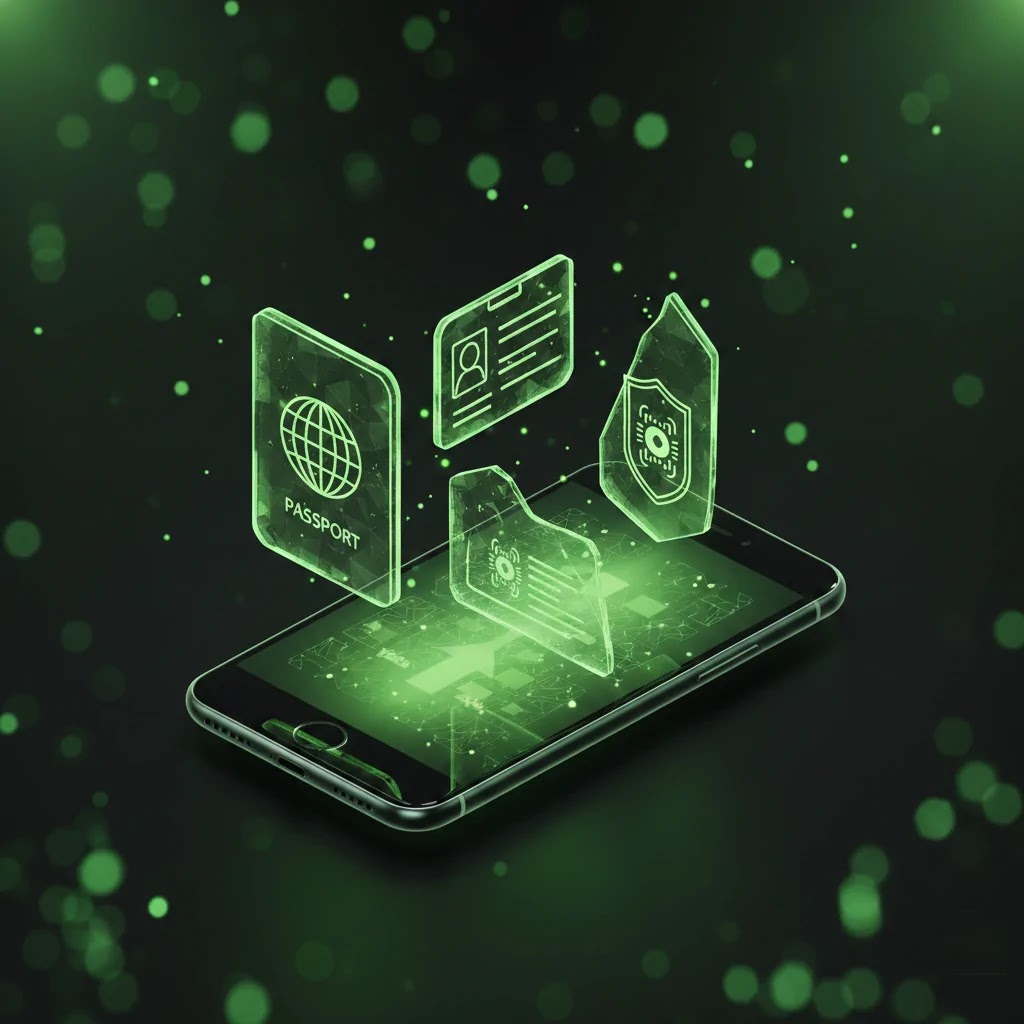
This is why the concept of a Global Digital Identity Wallet is gaining rapid adoption. It allows you to store, control, and share your identity data securely without relying on centralized systems.
For professionals working in high-paying remote jobs, freelancers, and digital entrepreneurs, this is no longer optional. It is becoming a core part of digital life.
Why Sovereign Data Matters in 2026
Traditional identity systems store your information in centralized databases. This creates a single point of failure. If that system is compromised, your data is at risk.
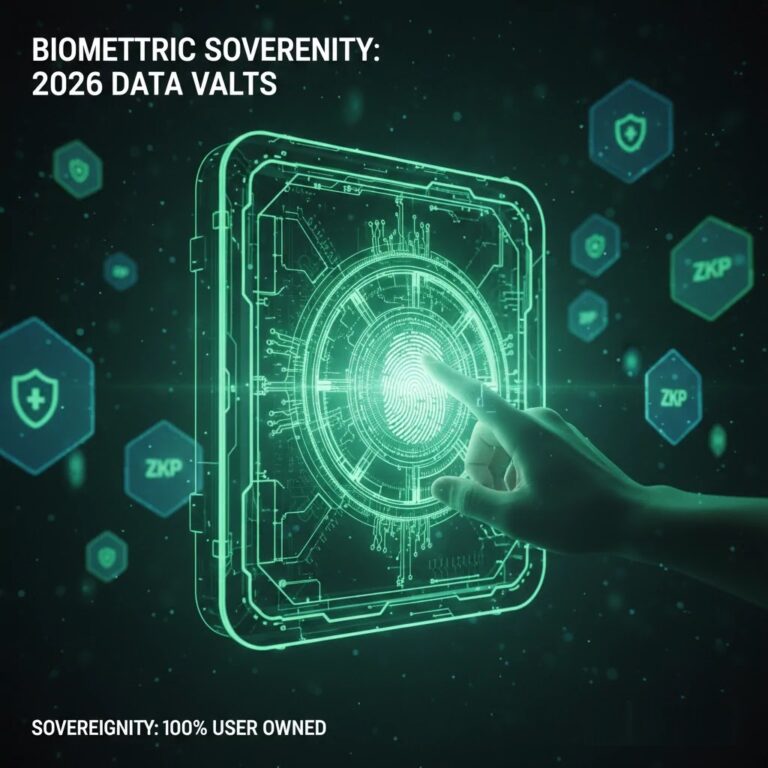
Self Sovereign Identity changes this model completely. Your data is stored in encrypted formats and shared only when required. You decide who gets access and for how long.
- You control your identity instead of companies
- Data sharing becomes permission based
- Risk of large scale data leaks is reduced
This approach works similarly to secure authentication systems like biometric ATM systems, where access is strictly limited to the authorized user.
Step by Step Guide to Setting Up Your Wallet
- Select a trusted wallet app that follows global standards such as W3C verifiable credentials
- Enable biometric security using fingerprint or face recognition for secure access
- Add identity documents such as passport, driving license, and certificates using secure import methods
- Verify credentials through authorized issuers to ensure authenticity
- Secure backup by storing recovery keys in a safe offline location
From practical experience, users who skip the backup step often face recovery issues. Always prioritize secure backup before using the wallet actively.
Real World Use Cases
- Remote Work Verification: Share verified credentials instantly with global employers
- Travel and Immigration: Faster identity checks in airports and border control
- Financial Services: Secure onboarding for banking and investments
- Education: Share certificates without physical copies
For digital nomads working across affordable remote work destinations, this reduces paperwork and speeds up approvals significantly.
Identity Systems Comparison
| Feature | Traditional Systems | Digital Identity Wallet |
|---|---|---|
| Control | Third party controlled | User controlled |
| Security | Centralized risk | Decentralized protection |
| Accessibility | Limited access | Global usability |
Advantages and Limitations
Advantages
- Full control over personal data
- Reduced dependency on centralized systems
- Faster identity verification
- Better privacy protection
Limitations
- Requires user responsibility for security
- Initial setup may be complex
- Not fully supported in all regions yet
Who Should Use This
- Remote professionals working across countries
- Freelancers managing global clients
- Business owners handling digital verification
Who should wait:
- Users unfamiliar with digital security basics
- People who rely only on local offline systems
Best Practices for Security
- Always enable biometric authentication
- Store recovery keys offline
- Do not share access credentials
- Update wallet apps regularly
- Verify sources before adding documents
Frequently Asked Questions
Is a digital identity wallet safe
Yes, if proper security practices are followed, it is more secure than traditional systems.
Can I use it internationally
Yes, many systems are designed for global compatibility, but adoption may vary by country.
What happens if I lose access
You can recover your wallet using backup keys, which is why secure storage is essential.
Is it free to use
Many platforms offer basic features for free, with advanced features available in paid plans.
Final Takeaway
Setting up a global digital identity wallet is a practical step toward securing your digital life. It gives you control over your data while improving efficiency in verification and access. As adoption grows, early users will benefit the most from this shift.
Visit the KOLAACE Homepage for more insights and updates.