Buying a premium smartphone in 2026 is no longer about camera megapixels or battery size alone. The real question is this. Can your phone think and act for you?
Users today are overwhelmed with notifications, tasks, and apps. Opening ten apps to complete one task feels outdated. This is where the new generation of AI powered smartphones changes the experience completely.
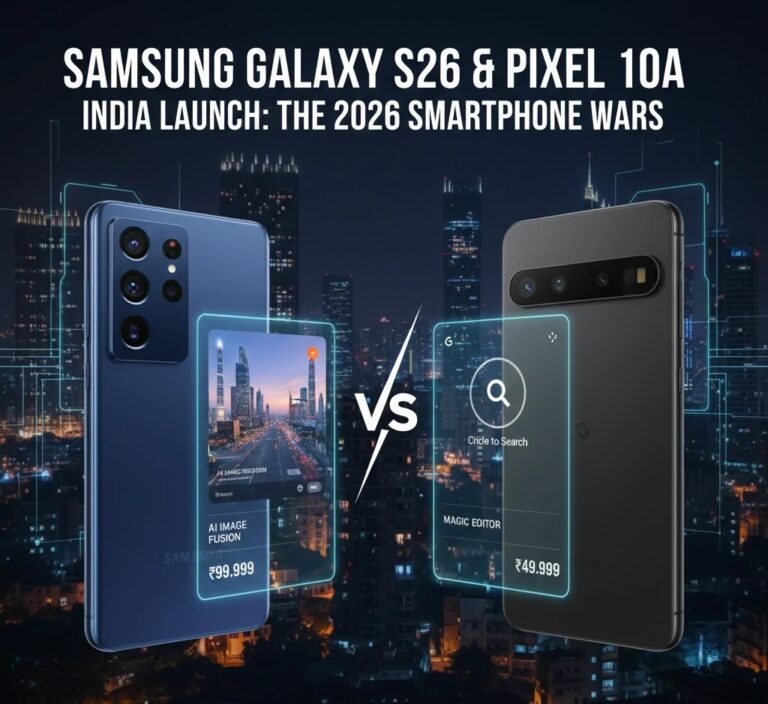
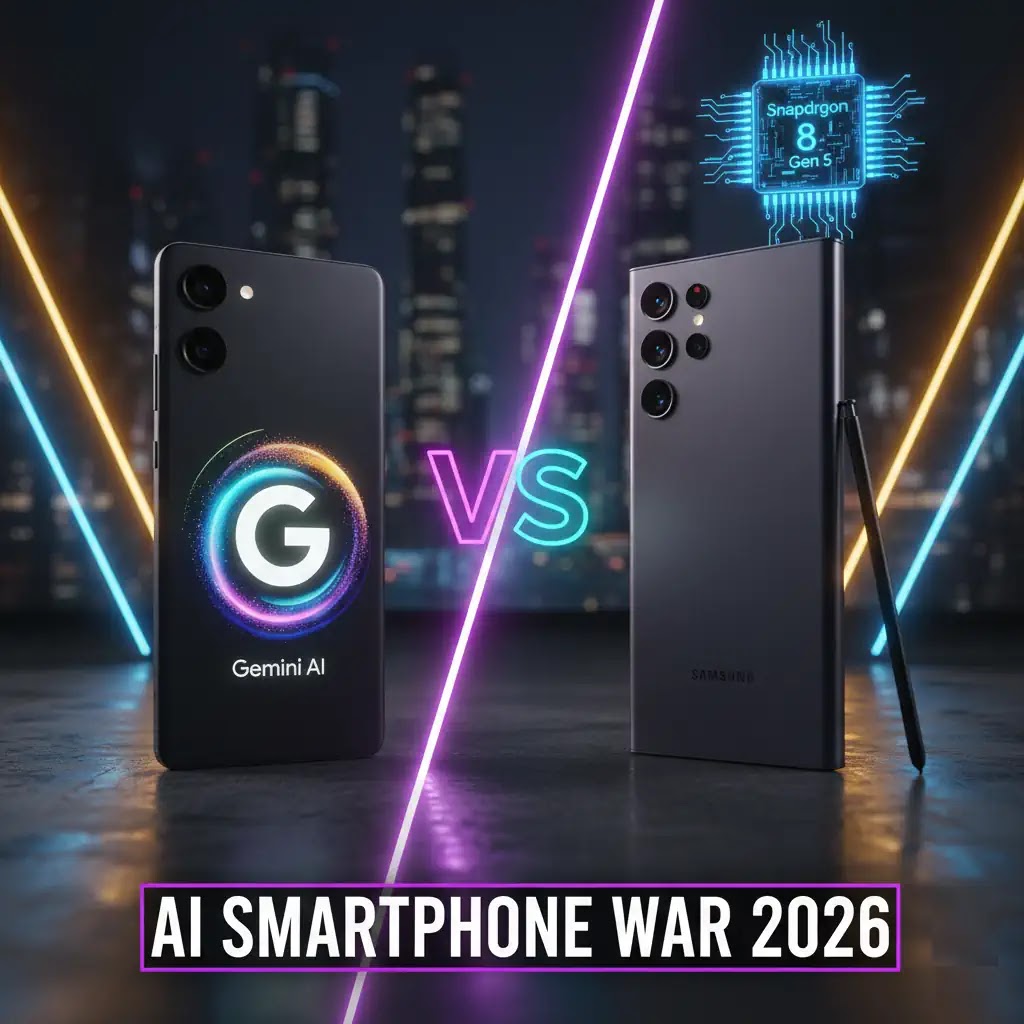
The competition between Google Pixel 11 Pro and Samsung Galaxy S26 Ultra represents this shift. These are not just phones. They are evolving into AI agents that can plan, respond, and execute tasks on your behalf.
I. What is the Agentic Era in Smartphones
The agentic era means your phone does more than assist. It takes initiative. Instead of asking for commands, it predicts intent and acts automatically.
For example:
- You receive an email for a meeting
- Your phone suggests a reply
- It checks your calendar
- It schedules the meeting and sets reminders
This level of automation is what both Google and Samsung are competing to perfect.
II. Chipset Strategy: AI Efficiency vs Raw Performance
The biggest difference between these two devices lies in how they approach AI processing.
Google Pixel 11 Pro Approach
Google focuses on efficiency and integration. The Tensor G6 chip is optimized for on device AI tasks. This means faster response for daily automation like messaging, translation, and personal assistance.
- Better context understanding
- Lower power consumption for AI tasks
- Deep integration with Google services
Samsung Galaxy S26 Ultra Approach
Samsung focuses on performance. The Snapdragon 8 Gen 5 is designed to handle heavy tasks like gaming, video editing, and multi app workflows along with AI.
- Higher processing power
- Better multitasking performance
- Strong support for high end apps
Head to Head Comparison
| Feature | Pixel 11 Pro | Galaxy S26 Ultra |
|---|---|---|
| Chip Focus | AI Efficiency | Raw Performance |
| Best For | Automation and daily tasks | Gaming and heavy usage |
| AI Style | Predictive actions | Multi task execution |
III. Real World Use Cases That Actually Matter
Marketing claims sound impressive, but real value comes from daily use. Here are practical scenarios.
For Working Professionals
- Auto summarizing emails and meetings
- Scheduling calls without manual input
- Managing travel plans automatically
For Small Business Owners
- Replying to customer queries instantly
- Generating product descriptions
- Managing orders and reminders
Example. A shop owner receives customer queries on WhatsApp. Instead of typing each reply, the phone suggests accurate responses based on past conversations.
For Content Creators
- Quick video editing
- AI generated captions
- Image enhancement on the go
IV. Key Features That Define 2026 Smartphones
1. Multimodal Vision
Instead of typing, users can point the camera to understand problems. From identifying gadgets to translating text in real time, this feature reduces friction.
2. On Device AI Processing
Faster responses and better privacy since data does not always leave the device.
3. Advanced Security
- Pixel uses Titan M3 for secure data handling
- Samsung uses Knox Vault for hardware level protection
V. Pros and Cons
Pixel 11 Pro Advantages
- Strong AI automation features
- Better integration with Google ecosystem
- Efficient battery usage for AI tasks
Pixel 11 Pro Limitations
- Lower raw performance compared to competitors
- Less suited for heavy gaming
Galaxy S26 Ultra Advantages
- Excellent performance for gaming and multitasking
- Premium display and hardware
- Strong versatility across use cases
Galaxy S26 Ultra Limitations
- Higher power consumption
- AI features may feel less personalized compared to Pixel
VI. Who Should Buy Which Phone
Choose Pixel 11 Pro if:
- You want a phone that handles tasks automatically
- You rely heavily on Google apps
- You prefer smarter assistance over raw power
Choose Galaxy S26 Ultra if:
- You are a gamer or power user
- You need high performance for editing and multitasking
- You prefer premium hardware experience
VII. Best Practices Before Buying
- Identify your primary use case, productivity or performance
- Test AI features in store if possible
- Check long term software update policies
- Consider ecosystem compatibility
VIII. Final Verdict
The shift toward AI driven smartphones is real and irreversible. Both Pixel 11 Pro and Galaxy S26 Ultra represent two different visions of the same future.
One focuses on intelligence and automation. The other focuses on power and versatility.
The best choice depends on how you use your phone daily. If your goal is to save time and reduce effort, Pixel stands out. If your goal is performance and flexibility, Samsung leads.
Either way, 2026 marks the moment smartphones stop being tools and start becoming intelligent partners.
Frequently Asked Questions