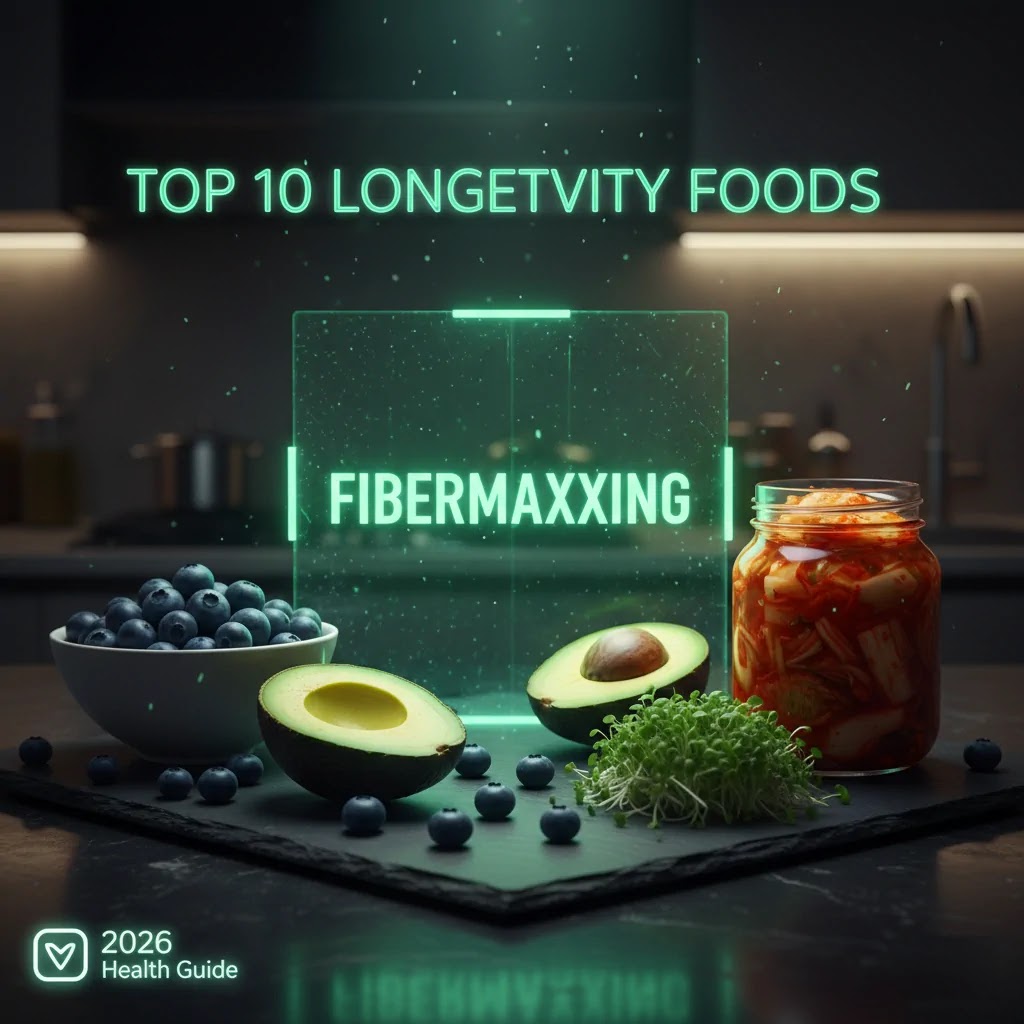
Many people in 2026 are trying to improve their health by cutting sugar or following strict diet trends. However, nutrition experts are now focusing on something much simpler and more sustainable, improving gut health through natural, fiber rich foods. The latest wellness trend called Fibermaxxing is gaining attention because it focuses on long term energy, digestion, immunity, and healthy aging instead of short term weight loss.
One important shift this year is that people are starting to treat food as a daily investment instead of a temporary diet plan. Busy professionals, remote workers, parents, and even fitness enthusiasts are now choosing meals that support stable energy and lower inflammation throughout the day. Similar to how businesses protect sensitive systems with advanced digital security, the human body also needs strong internal protection through proper nutrition.
After reviewing current longevity research, public nutrition trends, and practical eating habits followed in regions known for longer life expectancy, these foods consistently stand out for their real world health benefits.
The Top 10 Longevity Superfoods for 2026
These foods are not expensive luxury ingredients. Most of them are accessible, practical, and easy to include in a normal daily routine. The key difference is consistency.
- Fermented Kimchi and Kefir: Fermented foods support healthy gut bacteria, which directly affects digestion, immunity, and even mood. Many people notice reduced bloating and improved digestion after adding fermented foods regularly. Indian homemade curd and fermented dosa batter also offer similar gut friendly benefits.
- Sprouted Chia Seeds: Chia seeds absorb water and create a gel like texture that supports digestion and keeps you full for longer. Sprouting them before eating improves nutrient absorption. They are especially useful for people who struggle with overeating or unstable energy levels during work hours.
- Wild Blueberries: These berries are rich in antioxidants that help protect brain cells from oxidative stress. Nutrition researchers often connect berry rich diets with improved memory and slower cognitive decline.
- Walnuts: Walnuts provide healthy fats and plant based Omega 3 fatty acids. A small handful daily can support heart health and mental performance. Many professionals now keep walnuts as a simple office snack instead of processed chips.
- Leafy Microgreens: Young sprouts like broccoli, sunflower, and radish microgreens contain concentrated nutrients. They are often added to salads, sandwiches, or wraps and are useful for people trying to increase nutrient intake without eating large portions.
- Tempeh and Natto: These fermented soy foods provide protein and Vitamin K2, which supports bone health. While natto has a strong taste, it is highly valued in Japanese longevity diets.
- Avocados: Avocados contain healthy monounsaturated fats that help absorb fat soluble vitamins like A, D, E, and K. They also help keep meals satisfying for longer periods.
- Turmeric and Ginger: This traditional combination remains one of the most practical anti inflammatory food pairings. Many Indian households already use these ingredients daily in tea, curry, or kadha preparations.
- Purple Sweet Potatoes: These are rich in antioxidants and slow digesting carbohydrates. Unlike highly processed snacks, they provide steady energy without sharp sugar crashes.
- Lentils and Pulses: One of the most affordable and powerful longevity foods available globally. Dal, chickpeas, rajma, and moong provide fiber, protein, and minerals while remaining budget friendly.
Why Fiber Matters More in 2026
For years, nutrition conversations focused heavily on calories, protein, and low fat eating. In 2026, researchers and health professionals are paying closer attention to gut bacteria and digestive health.
Fiber acts like fuel for beneficial gut microbes. When these microbes digest fiber, they produce compounds called short chain fatty acids. These compounds are linked with reduced inflammation, improved digestion, and better metabolic health.
Many people who increased fiber intake gradually reported noticeable improvements such as:
- More stable energy during work hours
- Reduced late night cravings
- Improved digestion and bowel regularity
- Better focus and mental clarity
- Improved recovery after exercise
This is one reason the term Fibermaxxing has become popular across wellness communities and nutrition discussions.
| Metric | Older Nutrition Focus | 2026 Fibermaxxing Approach |
|---|---|---|
| Daily Fiber Intake | 10g to 15g | 30g to 50g+ |
| Digestive Support | Supplements Only | Whole Foods and Fermented Foods |
| Healthy Aging Focus | Low Calorie Eating | Nutrient Density and Gut Health |
| Daily Energy Strategy | Quick Sugar Sources | Slow Digesting Fiber Rich Meals |
Real World Use Cases and Practical Benefits
For Remote Workers
People working long hours from home often struggle with low movement and unhealthy snacking. Fiber rich meals help maintain stable energy and reduce frequent hunger. Many remote professionals now prepare overnight oats with chia seeds and walnuts to avoid processed breakfasts.
For Small Business Owners
Entrepreneurs and shop owners often skip meals due to busy schedules. Simple additions like fruit bowls, sprouts, fermented foods, and lentil based lunches can improve consistency without requiring complicated meal planning.
For Families
Parents are increasingly replacing packaged snacks with roasted chickpeas, yogurt bowls, fruit mixes, and homemade smoothies. This reduces dependency on ultra processed foods while improving overall nutrition quality.
For Fitness Enthusiasts
Many gym focused diets prioritize protein while ignoring digestion. Without enough fiber, high protein diets can sometimes create digestive discomfort. Balanced nutrition improves long term sustainability.
Best Practices for Adding These Foods Into Your Diet
One common mistake is increasing fiber intake too quickly. That can sometimes cause bloating or discomfort. A gradual increase works much better.
- Increase fiber slowly over 2 to 3 weeks
- Drink enough water throughout the day
- Combine protein, healthy fats, and fiber together
- Prefer whole foods over heavily processed “health snacks”
- Rotate different fiber sources instead of eating only one type
- Limit sugary beverages and ultra processed foods
Meal preparation also matters. For example, soaking lentils properly or fermenting foods naturally can improve digestion and nutrient absorption.
Pros and Cons of the Fibermaxxing Lifestyle
Advantages
- Supports long term digestive health
- Helps maintain stable energy levels
- Can reduce overeating and unnecessary snacking
- Often improves heart and metabolic health
- Uses affordable and accessible foods
Limitations
- Sudden increase in fiber may cause bloating initially
- Some fermented foods may not suit everyone
- Consistency is required for noticeable benefits
- Highly processed “fiber snacks” may not provide the same value
Who Should Follow This Eating Approach
This lifestyle is especially useful for:
- People with sedentary work routines
- Adults trying to improve digestion naturally
- Professionals dealing with unstable energy levels
- Families wanting healthier long term eating habits
- People interested in healthy aging and preventive wellness
However, individuals with digestive disorders or medical conditions should consult a healthcare professional before making major dietary changes.
Global Interest in “Longevity Nutrition” (2024 to 2026)
Source: KOLAACE™ Global Health Data Index 2026
Frequently Asked Questions
How much fiber should adults consume daily?
Most nutrition experts recommend roughly 25g to 35g daily, although highly active individuals may benefit from more depending on their diet and hydration levels.
Is Fibermaxxing suitable for weight loss?
It can support healthy weight management because fiber rich foods improve fullness and reduce unnecessary snacking. However, the main focus is long term health instead of rapid weight loss.
Can Indian foods support a longevity diet?
Yes. Foods like dal, curd, sprouts, turmeric, ginger, millets, vegetables, and fermented preparations already align well with modern longevity nutrition principles.
Are supplements necessary for gut health?
Not always. Many people can improve gut health through diverse whole foods, fermented foods, hydration, and consistent eating habits.
What is the biggest mistake people make when increasing fiber?
The biggest mistake is increasing fiber too quickly without enough water intake. Gradual changes usually work much better.
Health Verdict
Healthy aging does not depend on expensive supplements or extreme diets. The most effective strategy is often simple, eating more nutrient dense whole foods consistently. Fiber rich meals, fermented foods, healthy fats, and plant based nutrition can support digestion, focus, energy, and long term wellness when followed regularly.
In 2026, longevity nutrition is becoming less about restriction and more about supporting the body intelligently. Small daily habits still create the biggest long term results. For more practical wellness guides and future health trends, visit the KOLAACE™ Homepage.