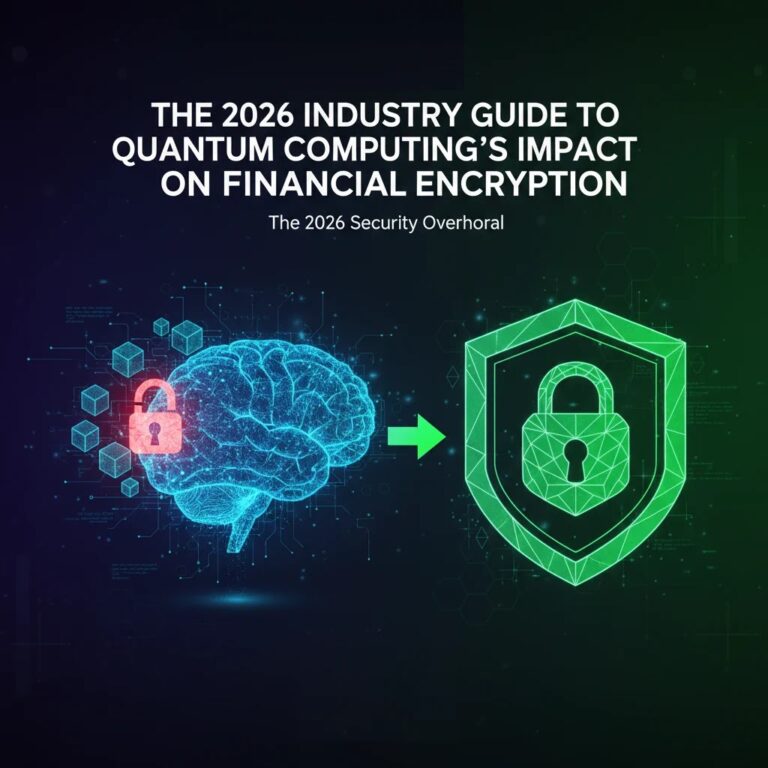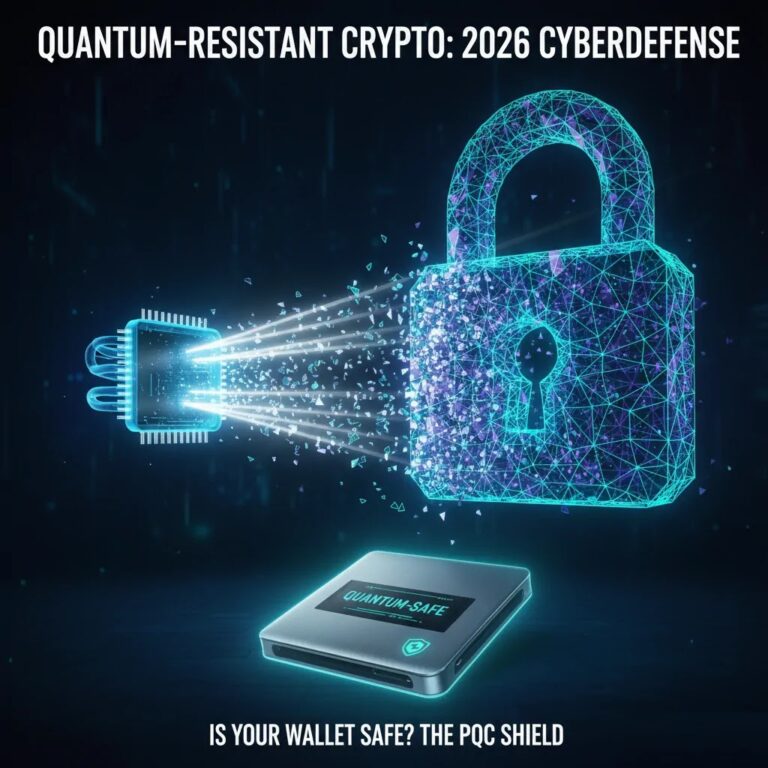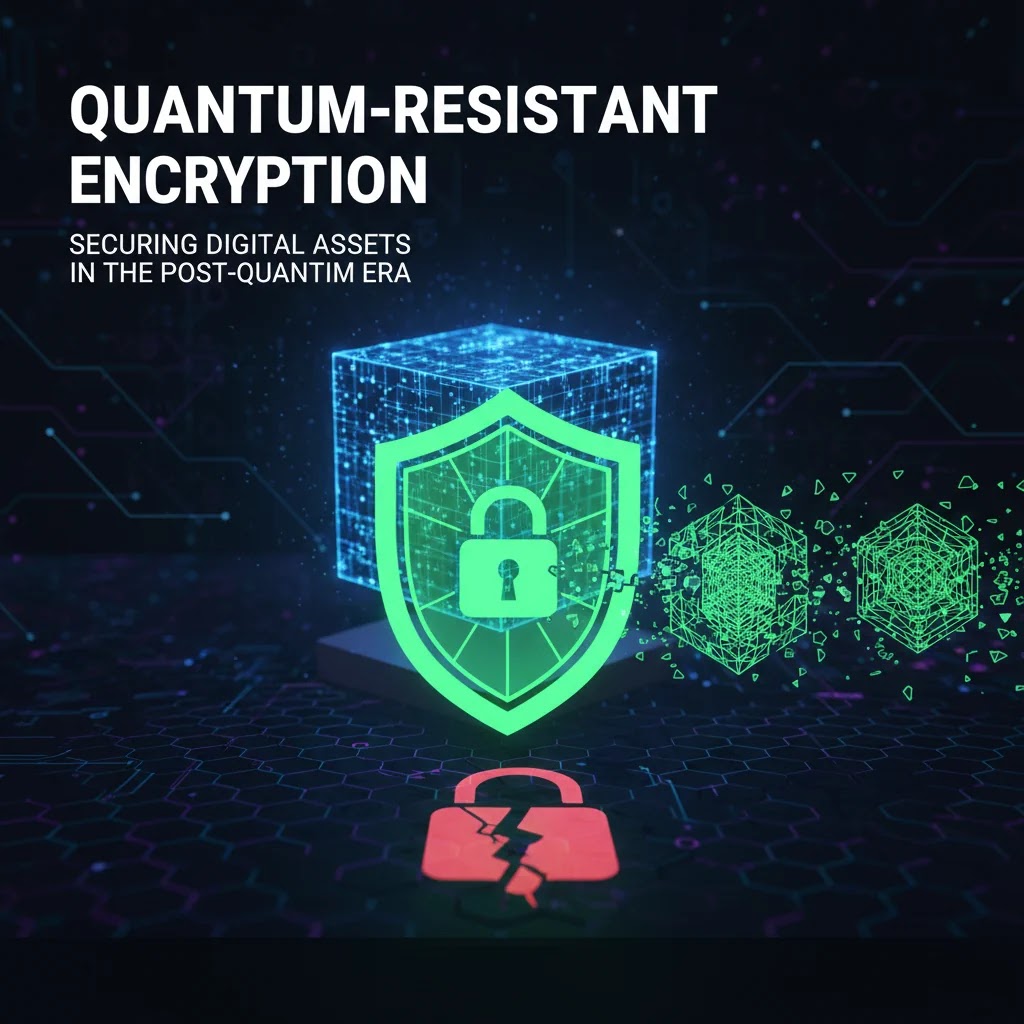

The transition to the post-quantum era is no longer a theoretical concern for 2026; it is a technical reality. As quantum processors become more accessible, KOLAACE™ is tracking the urgent migration toward quantum-resistant encryption (QRE) to safeguard global digital wealth.
This evolution is a critical follow-up to our analysis of cybersecurity insurance for digital assets, as traditional RSA encryption becomes increasingly vulnerable.
Understanding the Quantum Threat
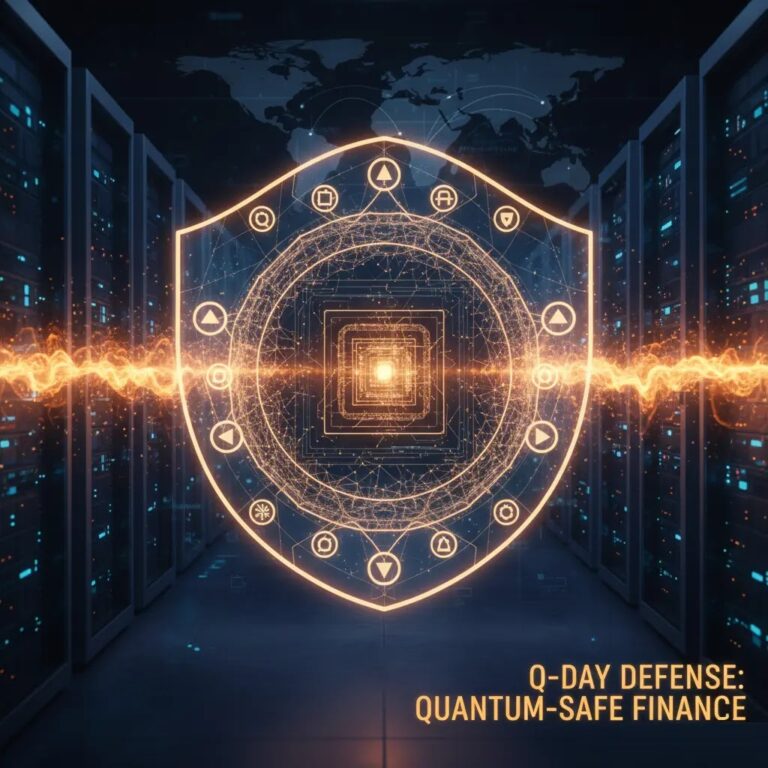
Quantum computers utilize qubits, allowing them to perform complex calculations at speeds impossible for classical binary systems. For the finance and tech sectors, this means that the cryptographic “locks” currently protecting everything from bank accounts to private blockchains could be bypassed within minutes.
Enterprise Investment in Quantum-Safe Security
KOLAACE™ Global Market Analytics: Investment in Post-Quantum Cryptography (PQC).
Encryption Comparison: Classical vs. Quantum-Resistant
Enterprises must decide between maintaining legacy systems or upgrading to lattice-based cryptography, a standard we recommend for high-performance AI cloud infrastructure.
| Feature | RSA/ECC (Classical) | Lattice-Based (Quantum-Safe) |
|---|---|---|
| Resistance Level | Zero (Vulnerable to Shor’s Algo) | High (Math-complexity based) |
| Key Size | Small (Efficient for now) | Large (Requires more compute) |
| Deployment Status | Global Standard | Active Migration Phase |
“By the end of 2026, any digital asset not protected by quantum-safe protocols should be considered publicly accessible.”
Immediate Steps for Digital Sovereignty
- Inventory Cryptographic Assets: Identify which databases rely on vulnerable algorithms.
- Hybrid Implementation: Use ‘Dual-Key’ systems that combine classical and quantum-safe layers.
- Blockchain Forking: Transition to QRE-compatible consensus models to prevent ‘51% quantum attacks.’
KOLAACE™ continues to provide the technical roadmap for a secure, high-traffic future in an increasingly complex digital age.