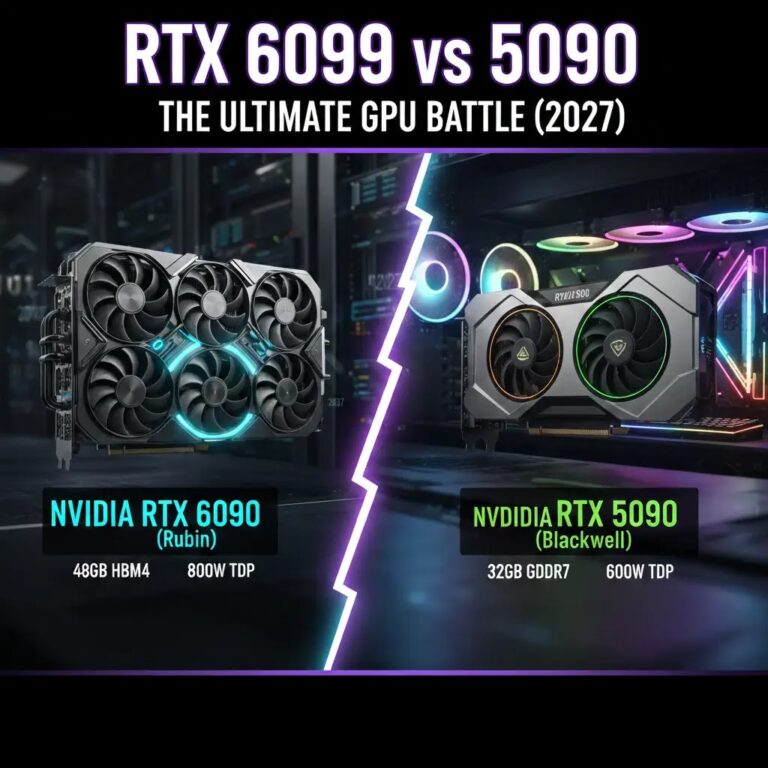
Buying a GPU in 2026 is no longer a simple decision. Many users upgrade at the wrong time and either overpay or miss better hardware coming just months later. With NVIDIA pushing two architectures at once, Blackwell and Rubin, understanding the roadmap is critical before spending money.
If you are planning a gaming PC, AI workstation, or even a YouTube editing setup, this guide will help you understand what is launching, what is worth waiting for, and how global supply issues are shaping real prices in markets like India.
I. Understanding the 2026 GPU Strategy
NVIDIA is no longer following a simple 2 to 3 year generation cycle. Instead, the company is operating on a rolling upgrade strategy. This means something new arrives almost every year, either a refresh or a full architecture shift.
In practical terms, this affects buyers in two ways:
- High-end GPUs lose value faster
- Mid-range buyers get better options within shorter time gaps
This strategy is especially visible in 2026, where Blackwell GPUs are still being optimized while Rubin is already in development.
II. 2026 Timeline Breakdown: What to Expect Month by Month
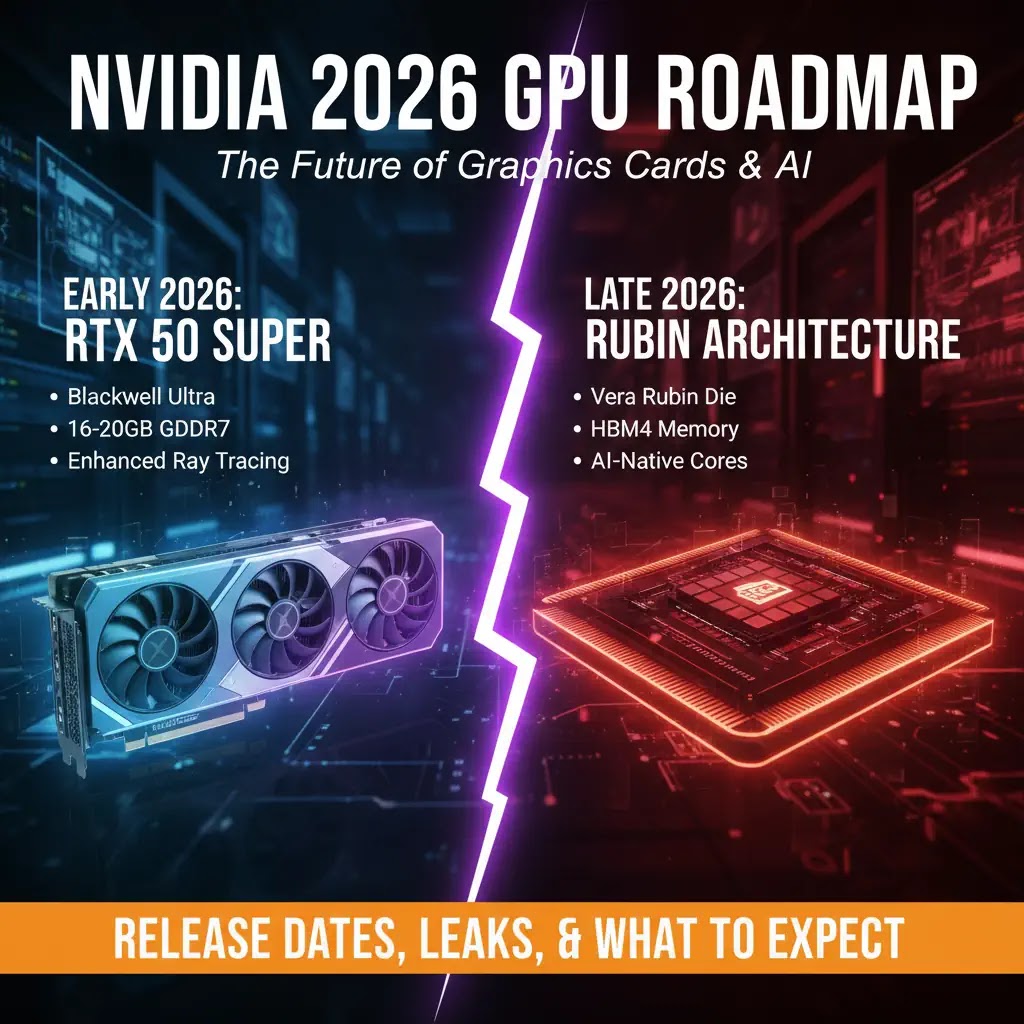
Early 2026: RTX 50 Super Refresh
The first major update comes from improved versions of existing GPUs. These are not completely new chips but optimized versions with better efficiency, higher VRAM, and slightly improved clock speeds.
- RTX 5070 Super targets high FPS 1440p gaming
- RTX 5080 Super improves 4K stability and ray tracing
From testing similar refresh cycles in the past, performance gains are usually around 10 to 20 percent, but power efficiency improves more noticeably.
Mid 2026: Rubin Production Phase
This is where things become interesting. Manufacturing for Rubin architecture begins, but it is focused on enterprise and AI first.
For gamers, this means one important thing. Consumer GPUs based on Rubin will not arrive immediately.
Late 2026: First Rubin Reveal
NVIDIA is expected to showcase Rubin in AI hardware before bringing it to gaming GPUs. This is a strategy shift where data center demand drives innovation first.
III. The Memory Bottleneck: Real Reason Behind Delays
One of the most overlooked factors in GPU launches is memory supply. In 2026, this becomes a major issue.
Companies like Samsung and SK Hynix are heavily investing in HBM memory for AI servers. This directly reduces production capacity for GDDR memory used in gaming GPUs.
From a real market perspective, this leads to:
- Delayed launches of mid-range GPUs
- Higher retail prices for longer periods
- Limited stock availability during launch weeks
| Architecture | VRAM Range | Memory Type |
|---|---|---|
| Lovelace | 12GB to 24GB | GDDR6X |
| Blackwell | 16GB to 32GB | GDDR7 |
| Rubin | 24GB to 48GB+ | GDDR7 and HBM4 |
IV. Real World Use Cases: Who Should Upgrade in 2026
1. Gamers
If you play at 1080p or 1440p, upgrading to a Super variant in 2026 makes sense. Waiting for Rubin will likely increase your budget significantly.
2. Content Creators
Video editors and 3D artists benefit more from VRAM upgrades than raw GPU speed. A 5080 Super with higher VRAM can provide better stability than older flagships.
3. AI Developers and Startups
If your work involves machine learning, Rubin architecture is worth waiting for. The shift toward HBM memory will significantly improve large model performance.
V. Pros and Cons of Waiting vs Buying Now
Buying in 2026 (Blackwell Super)
- More stable pricing after initial launch
- Proven architecture with fewer bugs
- Better availability in Indian market
Waiting for Rubin
- Massive performance jump expected
- Better AI capabilities
- Higher cost and limited availability initially
VI. Best Practices Before You Upgrade
- Check your PSU capacity, newer GPUs demand higher wattage
- Monitor festive sale periods in India for better pricing
- Avoid buying at launch unless necessary
- Consider total system upgrade cost, not just GPU price
VII. Final Takeaway
2026 is a transition year, not a peak upgrade year. Blackwell Super GPUs offer safe and practical upgrades for most users, while Rubin represents the next big leap focused on AI and high-end computing.
If your current system is struggling, upgrading in 2026 is justified. But if your system is still performing well, waiting for Rubin based GPUs in 2027 could deliver better long-term value.
Frequently Asked Questions