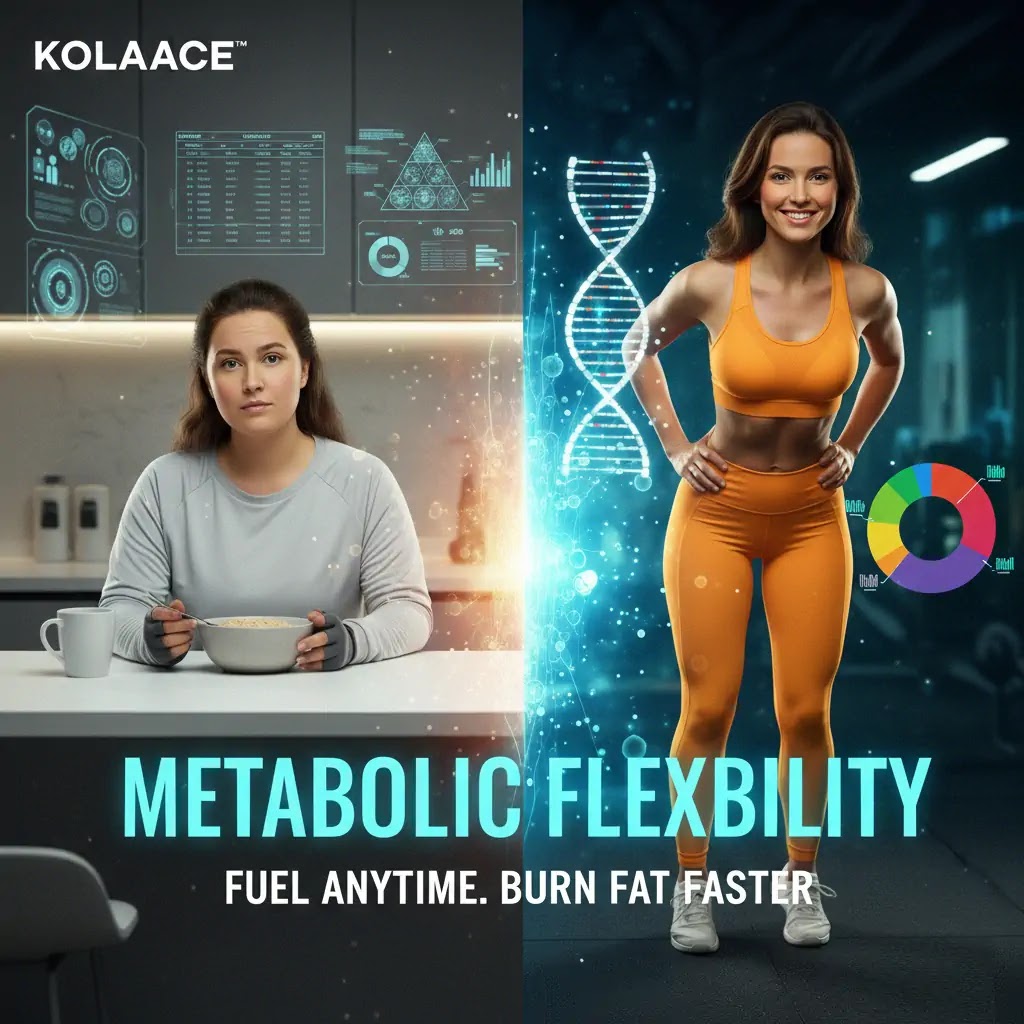
Many people try dieting and workouts for months but still struggle with slow fat loss, low energy, and constant cravings. The missing piece is often not calories or exercise intensity, but how efficiently the body switches between fuel sources. This ability is called metabolic flexibility.
In simple terms, if your body cannot switch between burning carbohydrates and fat smoothly, it will rely heavily on glucose. This leads to energy crashes, fat storage, and poor long term results. In 2026, AI based health tracking has made it easier to identify and correct this issue with personalized data.
If you feel tired after meals, crave sugar frequently, or find fasting difficult, your metabolism may need training rather than restriction.
What Is Metabolic Flexibility and Why It Matters
Metabolic flexibility refers to your body’s ability to adapt its fuel usage depending on availability and demand. A healthy system can use carbs when needed and shift to fat during fasting or low energy intake periods.
When this system is working properly, you experience:
- Stable energy throughout the day
- Better fat burning during rest and activity
- Reduced cravings and emotional eating
- Improved insulin sensitivity
On the other hand, poor metabolic flexibility creates a dependency on frequent eating, especially high carb foods.
- Feeling sleepy after meals
- Needing snacks every 2 to 3 hours
- Difficulty fasting even for short periods
- Stubborn belly fat despite exercise
How AI Helps Train Metabolic Flexibility in 2026
Modern AI health systems track real signals instead of relying on fixed diet rules. These systems analyze glucose trends, sleep quality, heart rate variability, and activity levels to adjust your routine.
Based on practical usage patterns, this approach works better than strict diets because it adapts to your lifestyle rather than forcing unrealistic routines.
- Dynamic fasting windows based on your recovery and energy levels
- Smart carbohydrate timing around workouts or active hours
- Flexible meal patterns instead of rigid dieting
- Real time feedback on how your body responds to food
For example, someone working night shifts or irregular hours can still improve fat loss by adjusting meal timing intelligently. This is far more practical than following a fixed schedule.
Step by Step Guide to Improve Metabolic Flexibility
Begin with a simple 12 to 14 hour fasting window. This allows your body to start using stored fat without extreme stress.
Muscle tissue improves glucose usage and supports better energy balance. Focus on compound movements at least 3 times per week.
Walking or light cycling helps the body use fat as fuel. This is especially effective in a fasted state.
Sleep directly affects hormones like insulin and cortisol. Poor sleep can block fat burning even with a good diet.
Do not eliminate carbs completely. Instead, consume them around active periods so they are used efficiently.
Real World Use Cases
In practical scenarios, metabolic flexibility becomes important in everyday life:
- Office workers: Sitting for long hours leads to poor glucose usage. Training metabolism improves energy and reduces fatigue.
- Small business owners: Irregular eating schedules can disrupt metabolism. Flexible eating patterns help maintain consistency.
- Fitness beginners: Instead of extreme dieting, improving fuel switching gives sustainable fat loss.
Many people notice that once their metabolism improves, they do not need strict calorie counting to maintain weight.
Traditional Dieting vs Metabolic Training
| Aspect | Traditional Dieting | Metabolic Training |
|---|---|---|
| Approach | Restriction based | Adaptation based |
| Energy Levels | Fluctuating | Stable |
| Fat Loss | Slow or inconsistent | More efficient |
| Sustainability | Hard to maintain | Long term practical |
Pros and Cons of Metabolic Flexibility Training
- Improves fat burning naturally
- Reduces cravings and hunger spikes
- Supports long term weight management
- Adapts to different lifestyles
- Requires consistency and patience
- Results are gradual, not instant
- Needs proper sleep and stress management
Who Should Use This Approach
This method works best for:
- People struggling with stubborn belly fat
- Individuals with fluctuating energy levels
- Those who cannot follow strict diets
It may not be suitable without guidance for individuals with medical conditions such as diabetes or hormonal disorders.
Best Practices for Faster Results
- Keep meal timing consistent even if food choices vary
- Avoid constant snacking
- Stay physically active throughout the day
- Prioritize sleep and recovery
Consistency in simple habits often gives better results than extreme diet plans.
Conclusion
Metabolic flexibility is one of the most important factors for sustainable fat loss. Instead of forcing your body through strict diets, it focuses on training your system to work efficiently.
With the support of AI based insights and consistent lifestyle habits, it becomes easier to improve energy levels, reduce fat, and maintain results long term.
The key takeaway is simple. Train your metabolism, do not fight it.
Frequently Asked Questions
Most people notice early improvements in 2 to 4 weeks, while deeper changes can take 6 to 8 weeks with consistent habits.
Can metabolic flexibility help reduce belly fat?
Yes. Better fuel switching allows the body to use stored fat more efficiently, which helps reduce abdominal fat over time.
Do I need to follow a strict diet?
No. Flexible eating patterns with smart timing work better than strict restrictions for most people.
Is fasting necessary?
Fasting is helpful but should be gradual and based on your comfort level.
Can beginners follow this approach?
Yes. It is beginner friendly when started slowly with simple changes like meal timing and walking.