Most businesses today are not failing because of bad ideas. They are struggling because decisions are too slow. By the time you analyze marketing data, adjust pricing, or respond to customer behavior, the opportunity is already gone.
This gap between data and action is exactly where AI is transforming business operations. Between 2026 and 2030, companies are moving from manual decision making to agentic enterprise systems where AI continuously monitors, decides, and executes tasks in real time.
From my analysis of early adopters, the biggest advantage is not just automation. It is speed, consistency, and the ability to operate without constant human intervention. Businesses that understand this shift early are already seeing better margins and faster growth.
What is an Agentic Enterprise System
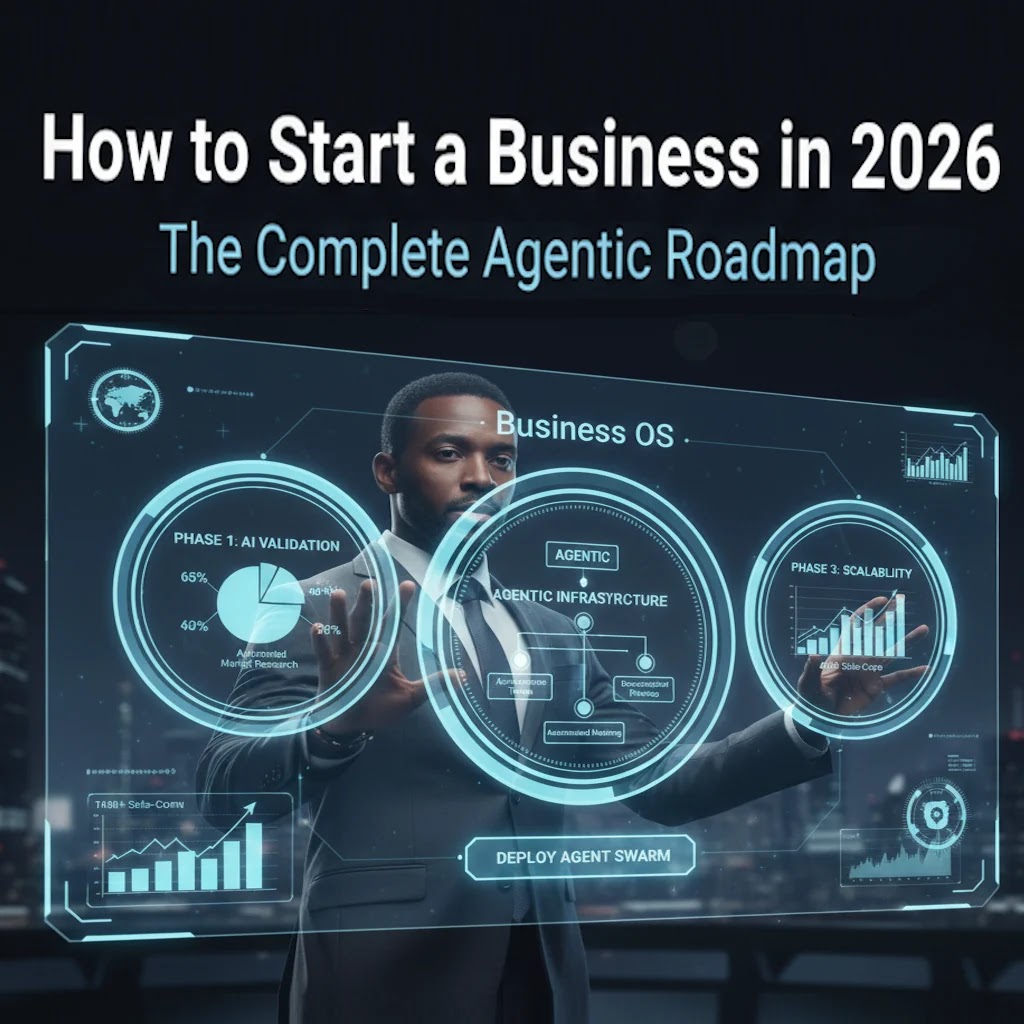
An agentic enterprise is a business where multiple AI agents work together across departments to achieve goals. These agents are not simple tools. They can plan tasks, execute workflows, and improve results based on feedback.
Instead of using separate software for marketing, finance, and operations, everything is connected through a central intelligence layer. This layer continuously analyzes data and makes decisions.
Core Components of an AI Driven Business System
- Autonomous agents that handle specific tasks such as ads, support, or pricing
- Central orchestration layer that coordinates all agents
- Real time data pipelines from all business activities
- Decision engines that trigger actions automatically
- Feedback loops that improve performance over time
Real example: An ecommerce business can automatically adjust product prices, pause underperforming ads, reorder inventory, and respond to customer queries without manual input. This is not theory. Many systems already do parts of this today.
How Autonomous Decision Making Works
The biggest shift is moving from recommendations to execution. Traditional tools show insights. Agentic systems take action.
| Department | AI Driven Function |
|---|---|
| Marketing | Real time ad optimization, audience targeting, creative testing |
| Finance | Cash flow prediction, fraud detection, cost control |
| Support | Instant replies, ticket routing, sentiment detection |
| Operations | Inventory forecasting, supplier coordination, logistics planning |
Step by Step Adoption Strategy
- Start with one department that has measurable impact
- Clean and structure your data before automation
- Use AI for recommendations first
- Gradually enable automated execution
- Monitor performance and refine continuously
This phased approach reduces risk. Many businesses fail because they try full automation without proper data or control systems.
AI Adoption Growth in Businesses
Estimated percentage of companies using integrated AI systems
Real World Use Cases for Small Businesses
One of the biggest advantages of agentic systems is that they level the playing field. Small businesses can now operate like large companies.
- Local service business: Automated booking, reminders, and dynamic pricing based on demand
- Online store: Smart inventory management, ad optimization, and pricing adjustments
- Agency: Manage multiple clients with automated reporting and campaign optimization
- Content creator: Plan, generate, and distribute content across platforms
In practice, one skilled operator can manage systems that previously required a full team. This is where cost efficiency becomes a major advantage.
Pros and Cons of AI Driven Businesses
Advantages
- Faster decision making using real time data
- Reduced operational costs
- Continuous optimization without manual effort
- Ability to scale without increasing team size
Limitations
- Initial setup requires planning and technical understanding
- Strong dependency on clean and accurate data
- Risk of errors if systems are not monitored
- Compliance and privacy considerations
Who Should Use This Approach
Best suited for:
- Startup founders focused on rapid growth
- Small business owners aiming to scale efficiently
- Digital entrepreneurs and ecommerce operators
- Agencies handling multiple clients
Not ideal for:
- Businesses without structured data systems
- Industries requiring high human judgment
- Organizations resistant to change
Best Practices for Implementing AI in Business
- Start with a single high impact use case
- Ensure data quality before automation
- Keep human oversight for critical decisions
- Track performance metrics clearly
- Continuously refine workflows based on results
Key Takeaway
The future of business is not just automation. It is intelligent coordination. Companies that adopt agentic systems early will operate faster, reduce costs, and scale with fewer limitations.
Frequently Asked Questions
What is an agentic enterprise?
It is a business model where AI agents handle decision making and execution across different functions using real time data.
Can small businesses use AI systems effectively?
Yes. Many tools are now affordable. Starting with one function like marketing or customer support is the most practical approach.
Is full automation safe for businesses?
Full automation without monitoring can be risky. A balanced approach with human oversight is recommended.
How long does it take to implement AI systems?
Basic systems can be set up in weeks. Full integration across departments may take several months.
What is the biggest mistake businesses make?
Trying to automate everything at once without clean data or clear goals. Successful adoption is always gradual.