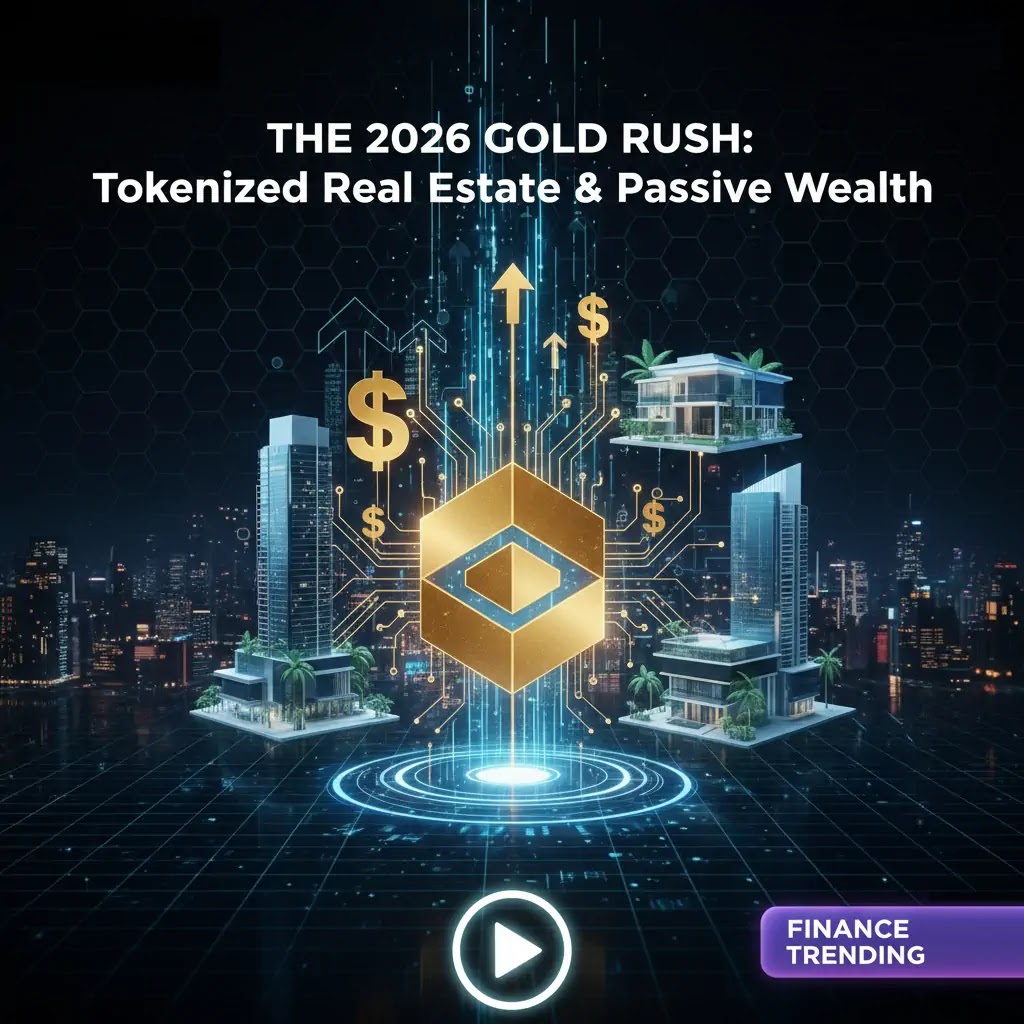
Real estate has always been seen as one of the strongest long term wealth assets. The problem is that traditional property investing often requires large capital, complex paperwork, slow transactions, and ongoing management responsibilities. In 2026, tokenized real estate is changing that model completely by allowing investors to buy fractional ownership in premium properties using blockchain-based systems.
Instead of waiting years to save enough money for a full apartment or commercial unit, investors can now start with smaller amounts and gradually build exposure across multiple assets. This shift is opening opportunities not only for large institutions but also for freelancers, remote professionals, creators, and small business owners looking to diversify income.
Investment Insight: The biggest advantage of tokenized real estate in 2026 is accessibility. Investors can now participate in income-generating property markets without handling tenants, brokers, or large upfront loans.
What is Tokenized Real Estate?
Tokenized real estate is the process of converting ownership rights of a physical property into digital blockchain-based tokens. Each token represents a small share of the underlying asset. These shares can then be bought, sold, or held digitally through approved platforms.
Think of it like owning shares in a company, except the underlying asset is a real property such as:
- Commercial office spaces
- Rental apartments
- Warehouses and logistics hubs
- Luxury villas
- Hospitality properties
- Student housing projects
In practical terms, this means a person from a small city can now own a percentage of premium real estate located in major urban markets without physically managing the property.
Why Tokenized Property is Growing Fast in 2026
Several market shifts have accelerated the rise of tokenized real estate investing. High property prices, increasing interest in passive income, and improvements in blockchain infrastructure have made digital property ownership more practical than ever.
From an investor perspective, the biggest attraction is flexibility. Traditional real estate investing can lock capital for years. Tokenized systems provide faster liquidity and easier portfolio diversification.
Lower Entry Barrier
Investors no longer need massive capital to enter premium property markets. Fractional ownership allows smaller investments while still gaining exposure to high-value assets.
Global Access
Blockchain platforms allow investors to participate in international property opportunities without being physically present in another country.
Another important factor is transparency. Blockchain records create clear ownership tracking and transaction history, which reduces confusion around documentation and asset transfers.
How Passive Income Works Through Tokenized Real Estate
One of the most attractive aspects of tokenized property investing is automated rental income distribution. Smart contracts can collect rent and distribute profits directly to token holders based on their ownership percentage.
For example, imagine a commercial office building generating monthly rental revenue. Instead of one owner collecting all profits, the revenue is divided proportionally among thousands of token holders.
This creates a passive income model that is easier to manage compared to traditional rental ownership. Investors do not need to:
- Handle tenant complaints
- Manage repairs personally
- Negotiate rental agreements
- Visit the property regularly
- Coordinate with multiple brokers
In many cases, professional management companies handle operations while blockchain systems automate ownership accounting and revenue distribution.
Real World Observation: Many younger investors entering the market in 2026 prefer fractional digital ownership because it provides exposure to property income without taking on large long term debt obligations.
Step by Step Strategy to Start Investing
For beginners, entering the tokenized real estate market should still involve proper research and risk management. The technology is modern, but the core principles of investing remain important.
1. Research the Platform
Choose platforms that clearly explain property ownership structure, legal compliance, custody systems, and revenue models. Transparency matters more than marketing promises.
2. Analyze the Property Quality
Focus on assets with strong fundamentals such as occupancy rates, rental demand, and location growth potential. A digital token is only as strong as the property behind it.
3. Diversify Across Multiple Assets
Instead of putting all capital into one project, many experienced investors spread investments across residential, commercial, and logistics properties.
4. Understand Liquidity Conditions
Not all tokenized assets can be sold instantly. Some platforms provide secondary markets while others may have lock-in periods.
5. Monitor Regulatory Changes
Regulations surrounding digital assets and tokenized securities continue to evolve. Staying informed is important for long term investment planning.
Use Cases Beyond Individual Investing
Tokenized real estate is not only attracting retail investors. Businesses and developers are also finding practical applications for this model.
Small Business Capital Access
Developers can raise funding from global investors more efficiently without relying entirely on traditional banks.
Cross Border Investment Opportunities
Professionals working internationally can diversify wealth across property markets in different regions through a single digital interface.
Portfolio Diversification
Investors already holding stocks or crypto assets use tokenized property to add a relatively stable asset category into their portfolio mix.
Retirement Income Planning
Some long term investors are building rental-based income streams through diversified tokenized assets to support future financial independence goals.
Pros and Cons of Tokenized Real Estate
Advantages
- Lower investment entry requirements
- Fractional ownership flexibility
- Passive rental income opportunities
- Improved transparency through blockchain records
- Faster buying and selling processes
- Access to international markets
Limitations
- Regulatory uncertainty in some regions
- Liquidity may vary between platforms
- Technology risks still exist
- Property values can decline during market slowdowns
- Platform quality differs significantly
- Some projects may lack proper transparency
Who Should Consider Tokenized Real Estate?
This investment model may be suitable for:
- Young professionals building diversified portfolios
- Freelancers seeking passive income streams
- Crypto investors looking for real-world asset exposure
- Small business owners diversifying beyond cash savings
- Long term investors interested in fractional property ownership
However, people seeking guaranteed returns or quick profits should remain cautious. Real estate markets still move in cycles, and digital tokenization does not eliminate investment risk.
Best Practices for Safer Investing in 2026
- Verify legal ownership structure before investing
- Study rental performance and occupancy trends
- Use secure wallets and strong authentication methods
- Do not invest all savings into one property token
- Focus on long term sustainability instead of hype
- Review platform fees carefully before committing funds
Investors who approach this sector with patience and research are more likely to benefit from the long term transformation happening in digital real estate markets.
Conclusion
The tokenized real estate movement is reshaping how people think about property ownership and passive wealth generation. In 2026, investors no longer need massive capital or complex property management experience to participate in premium real estate opportunities.
While the industry is still evolving, the combination of blockchain transparency, fractional ownership, and automated income distribution is creating a more accessible investment environment. For investors willing to learn and research carefully, tokenized property may become one of the most practical wealth-building tools of the coming decade.
Stay connected for more advanced insights on digital assets, AI finance, and future wealth strategies.
Frequently Asked Questions
Is tokenized real estate legal in 2026?
Legality depends on the country and platform structure. Many platforms now operate under regulated investment frameworks, but investors should always review compliance details carefully.
Can beginners invest in tokenized property?
Yes. One of the biggest advantages is lower entry requirements compared to traditional property ownership. However, research and risk management are still essential.
How do investors earn passive income?
Rental income generated from the property is distributed proportionally to token holders through automated smart contract systems.
Can tokenized property investments be sold anytime?
Liquidity depends on the platform and market demand. Some platforms offer active secondary trading while others may have holding periods.
What is the biggest risk in tokenized real estate?
The main risks include regulatory changes, poor platform management, low liquidity, and declining property market conditions. Investors should diversify and avoid overexposure.