If you are eating clean, exercising regularly, and still not losing fat, your sleep may be the missing piece. Many people focus only on diet and workouts, but ignore recovery. In real-world cases, poor sleep quietly slows metabolism, increases cravings, and leads to stubborn belly fat.
In 2026, sleep is no longer seen as passive rest. It is an active metabolic repair window. During deep sleep, your body resets hormones, improves insulin sensitivity, and accelerates fat burning. Without it, even the best fat loss plan becomes less effective.
This is why improving metabolic flexibility now starts with optimizing sleep quality, not just calorie control.
How Sleep Directly Impacts Fat Loss
Sleep affects multiple systems at the same time. It is not just about feeling fresh. It controls how your body uses energy, stores fat, and regulates hunger.
- Growth hormone release supports fat breakdown and muscle repair
- Cortisol drops, reducing belly fat storage
- Insulin sensitivity improves, helping better glucose control
- Leptin stabilizes, reducing unnecessary hunger signals
When sleep is poor, the opposite happens. Ghrelin rises, which increases hunger. Leptin drops, which reduces satiety. This creates a cycle where you eat more without realizing it.
In practical terms, many people experience late night cravings after a bad sleep cycle. Over time, this leads to consistent calorie surplus and visible fat gain, especially around the abdomen.
Step by Step Sleep Optimization Strategy
Go to bed and wake up at the same time daily. This aligns your circadian rhythm and improves hormone balance.
Reduce screen exposure at least 60 minutes before bed. Blue light delays melatonin release, which directly affects sleep quality.
Keep your room cool, dark, and quiet. Even small disturbances can reduce deep sleep cycles.
Avoid heavy meals and sugar before bedtime. Light, balanced meals help digestion and prevent nighttime disturbances.
Use wearable devices or apps to monitor sleep stages, recovery score, and heart rate patterns. This helps you identify what improves your sleep quality.
AI Driven Sleep Optimization in 2026
Modern systems now go beyond simple tracking. AI analyzes patterns over time and suggests actionable improvements based on your lifestyle.
- Detect poor recovery trends before you feel fatigue
- Suggest optimal sleep windows based on your body clock
- Adjust environment settings like lighting and temperature
- Identify stress patterns that disrupt sleep cycles
These systems work alongside autonomous health agents to create a feedback loop. You sleep, the system learns, and your recovery improves over time.
Real World Use Cases
- Working professionals: Fixing sleep reduces stress eating and improves daily energy levels
- Fitness enthusiasts: Better recovery leads to stronger workouts and faster fat loss
- Shift workers: AI based scheduling helps stabilize irregular sleep patterns
- Small business owners: Improved sleep leads to better decision making and consistent productivity
Sleep Efficiency vs Fat Loss Data
| Sleep Quality | Metabolic Repair | Fat Loss Impact |
|---|---|---|
| Deep Restorative Sleep | High Efficiency | Consistent Fat Reduction |
| Interrupted Sleep | Moderate Efficiency | Slow Progress |
| Chronic Sleep Deprivation | Low Efficiency | Fat Gain and Hormonal Imbalance |
Pros and Limitations of Sleep Based Fat Loss
- Improves fat loss without extreme dieting
- Enhances hormone balance naturally
- Supports long term sustainability
- Boosts mental clarity and productivity
- Requires consistency, not quick fixes
- Results depend on overall lifestyle
- May need behavioral changes like reducing screen time
Who Should Focus on Sleep Optimization
- People struggling with stubborn belly fat
- Individuals experiencing frequent fatigue
- Anyone with irregular sleep schedules
- Fitness beginners not seeing results
Best Practices for Long Term Results
- Maintain a fixed sleep schedule daily
- Avoid caffeine late in the evening
- Keep your bedroom environment optimized
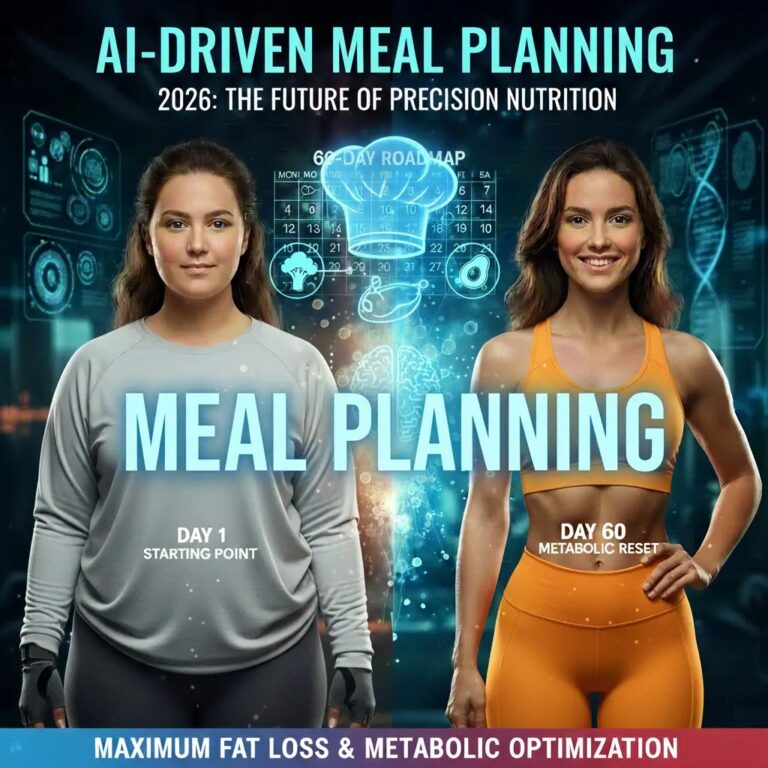
- Combine sleep improvement with structured nutrition plans like the 60 day fat loss roadmap
Conclusion: Sleep Is a Metabolic Multiplier
Sleep is not just recovery time. It is one of the strongest drivers of fat loss. When optimized correctly, it amplifies the effects of diet and exercise.
If your fat loss progress has stalled, improving sleep may unlock results without making drastic changes to your routine. Focus on consistency, track your progress, and allow your body to repair itself naturally.
Frequently Asked Questions
Does sleep really affect belly fat?
Yes. Poor sleep increases cortisol and disrupts insulin function, both of which contribute to fat storage around the abdomen.
How many hours of sleep are ideal for fat loss?
Most people need 7 to 9 hours of quality sleep to maintain hormonal balance and support fat burning.
Can improving sleep alone reduce weight?
Sleep alone may not cause major weight loss, but it significantly improves the effectiveness of diet and exercise.
Why do I feel hungry after poor sleep?
Sleep deprivation increases ghrelin and reduces leptin, which leads to higher hunger levels even without energy need.