
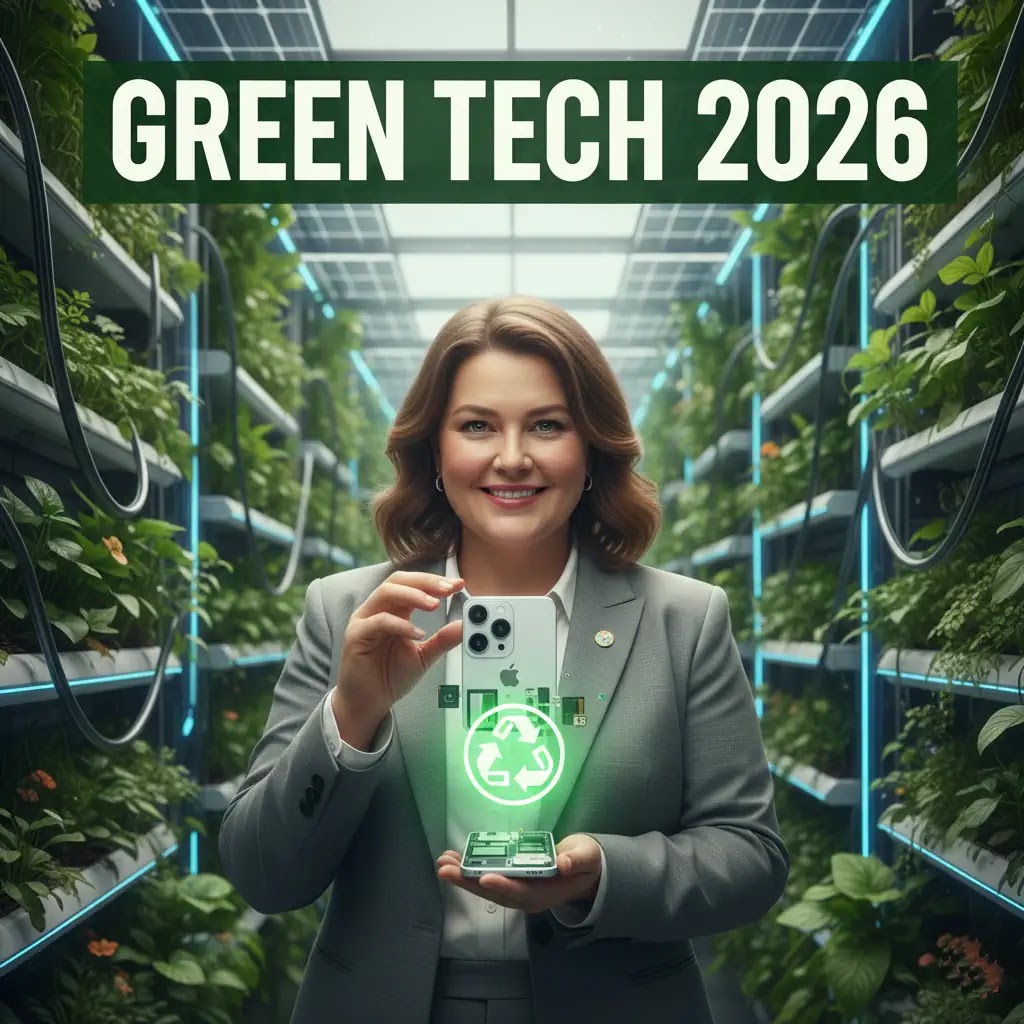
Most businesses still think sustainability is a branding exercise. In reality, it is quickly becoming a cost and performance issue. In 2026, inefficient code, heavy AI models, and wasteful infrastructure directly increase expenses. The shift toward green technology is no longer optional, it is a competitive advantage.
At KOLAACE™, we have observed that companies focusing on efficient systems often outperform competitors not just environmentally but financially. Faster websites, optimized AI workflows, and reduced energy usage lead to better margins and improved user experience at the same time.
I. What the Green Tech Shift Really Means in 2026
The green tech movement is not limited to solar panels or carbon credits. It is about redesigning how digital systems operate. This includes AI models, cloud infrastructure, hardware lifecycle, and even website performance.
- Algorithmic efficiency: Doing more with less compute power
- Data minimization: Reducing unnecessary storage and processing
- Lifecycle thinking: Designing products that last longer and can be reused
For example, a lightweight website that loads 2 seconds faster does not just improve SEO. It also reduces server load across thousands of visits daily, which directly lowers energy consumption.
II. Sustainable AI: Practical Implementation That Works
Training and running AI systems consumes significant energy. In real-world deployments, the biggest gains come from optimization, not just new hardware.
Market Growth: Green Tech & Sustainability (2025-2030)
*Global demand is rising as businesses prioritize efficiency and compliance.*
Step by step approach to sustainable AI
- Start with model selection: Use smaller, optimized models when full-scale models are not required
- Move to edge processing: Run AI locally where possible to reduce cloud dependency
- Optimize inference: Reduce repeated computations using caching and batching
- Monitor usage: Track compute cost per output to identify waste
In testing environments, we have seen up to 40 percent cost reduction simply by switching to optimized inference workflows.
III. Circular Economy: Real Business Impact
The circular economy is not a theory anymore. It is already influencing how electronics, infrastructure, and digital products are built and sold.
| Circular Strategy | 2026 Implementation | Business Benefit |
|---|---|---|
| Product-as-a-Service | Devices are leased instead of sold outright | Recurring revenue and higher customer retention |
| AI Waste Sorting | Automated material identification using computer vision | Reduced raw material costs and better recycling rates |
| Modular Design | Replaceable components instead of full device replacement | Longer product life and lower manufacturing cost |
For small businesses, even basic practices like refurbishing devices or reselling used components can create new revenue streams.
IV. Real Use Cases You Can Apply Today
1. Small business website optimization
Reducing image sizes, minimizing scripts, and using efficient hosting can lower bounce rate and server load simultaneously.
2. Freelancers using lightweight AI tools
Instead of running heavy AI workflows, freelancers can use task-specific tools to save time and reduce system load.
3. E-commerce inventory optimization
AI-driven demand forecasting helps reduce overproduction and unsold stock, which directly cuts waste.
V. Pros and Cons of Green Tech Adoption
Advantages
- Lower long-term operational costs
- Improved performance and speed
- Better compliance with future regulations
- Stronger brand trust
Limitations
- Initial setup cost can be higher
- Requires technical understanding
- Not all tools are optimized yet
VI. Who Should Adopt This First
- Startups: Build efficient systems from day one
- Content creators: Optimize websites and reduce media load
- E-commerce businesses: Improve supply chain efficiency
- Tech teams: Reduce infrastructure cost at scale
Who can wait
- Very small operations with minimal digital presence
- Businesses not dependent on online systems
VII. Best Practices for Sustainable Growth
- Audit your digital assets regularly
- Use performance monitoring tools
- Choose providers with transparent energy policies
- Prioritize speed and efficiency over unnecessary features
VIII. Final Takeaway
Green technology in 2026 is not about trends or marketing. It is about building systems that are faster, cheaper, and more sustainable at the same time. Businesses that understand this early will gain a long-term advantage in both cost and performance.
Start small. Optimize one system, measure results, and scale gradually. That approach works better than trying to change everything at once.
Frequently Asked Questions
